New Delhi [India], October 23 (ANI): Indian 5 per cent broken rice prices could increase by around USD 60 per metric tonne amid international freight costs and changing global market conditions, although such increases may not be sustainable over the longer term, according to Dev Garg, Vice President of the Indian Rice Exporters Federation (IREF).
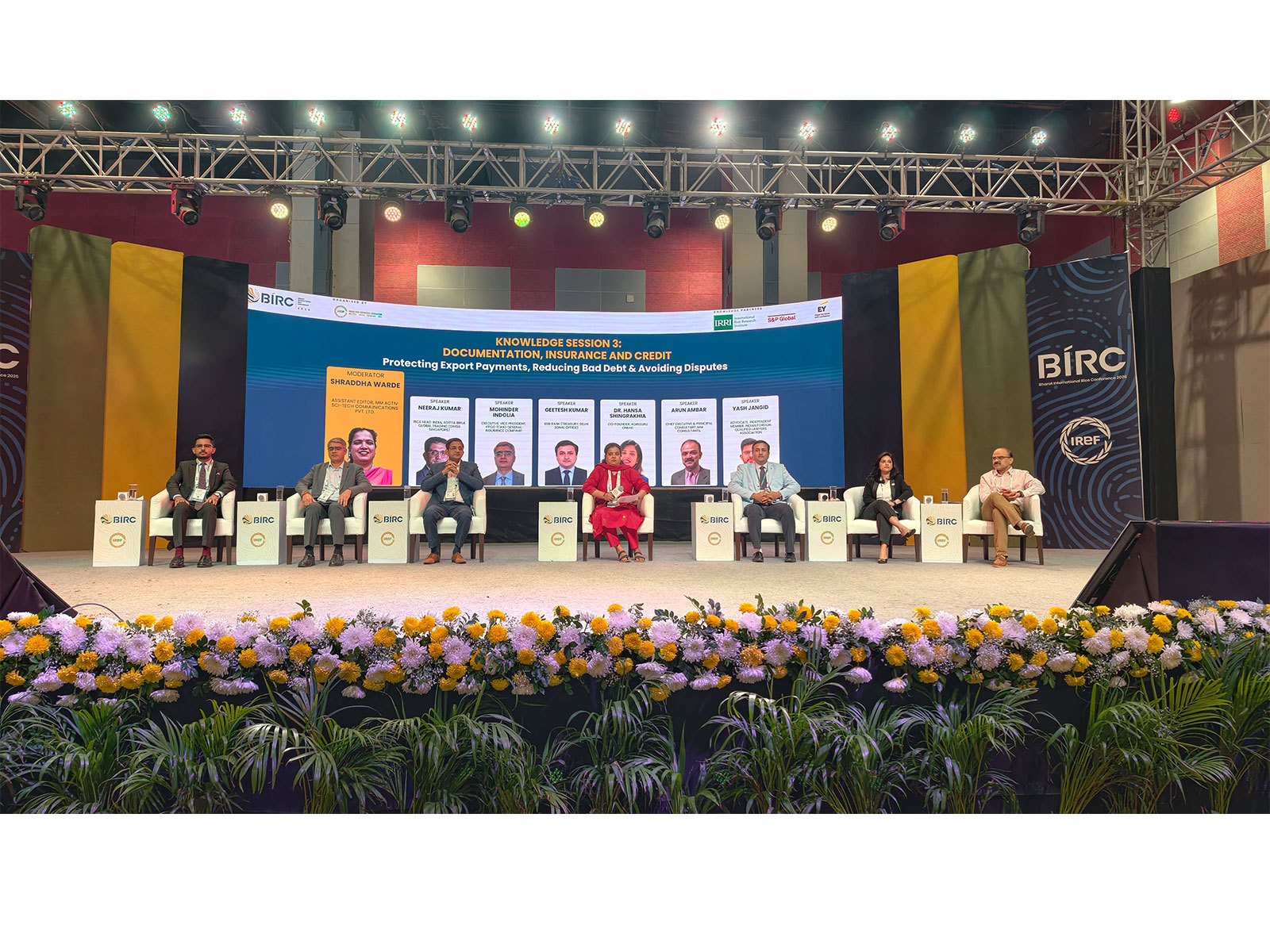
Speaking during the first knowledge session, “Global Rice Demand and Supply Outlook 2027,” at the Bharat International Rice Conference (BIRC) 2026 in New Delhi, Garg highlighted the role of international freight costs in determining the competitiveness and pricing of Indian rice in global markets.
He noted that the impact of geopolitical conflicts on rice prices would largely depend on freight costs and prevailing market conditions, cautioning that price increases driven by these factors could face sustainability challenges.
The conference highlighted that the global rice market in 2027 would be influenced by weather risks, production and consumption trends, stock levels, government policies, currency movements and changing buyer behaviour.
Experts identified the potential development of El Niño as a major supply-side risk, warning that adverse weather conditions could affect rice production across successive growing cycles in Asia.
Indonesia and Vietnam were identified as countries facing significant exposure to weather-related production risks, while India and the Philippines could also experience disruptions, particularly in rabi and second-crop production.
Experts stressed the importance of monitoring El Niño developments through early 2027, as these could influence global rice availability, exportable surpluses and price volatility.
On the demand side, the session indicated that South Asia and Africa would account for all growth in global rice demand during 2026-27, highlighting their increasing importance in international rice trade.
Vietnam was identified as an emerging second-largest rice importer globally, while the Philippines continued to remain an important importing market.
Experts also discussed the possibility of higher rice import requirements from Indonesia if El Niño-related weather disruptions affect domestic production.
Meanwhile, an audience poll conducted during the session indicated that a bullish scenario was the preferred outlook for the global rice market in 2027.
However, experts cautioned that the direction of rice prices would depend on the evolving balance between production, consumption, stocks and international trade requirements.
The conference emphasised that Indian rice exporters must closely monitor freight rates, weather developments and shifting import demand to remain competitive in international markets. (ANI)
Related reading