VMPL
New Delhi [India], October 16: Upgrading your home is usually about more than just a new look for a room. This may include painting, adding modular storage, repairing electrical fittings, fixing bathrooms, or making the home more comfortable and convenient for everyday living. For many families, the real question is not whether to renovate, but how to do so without impacting long-term savings or monthly budgets.
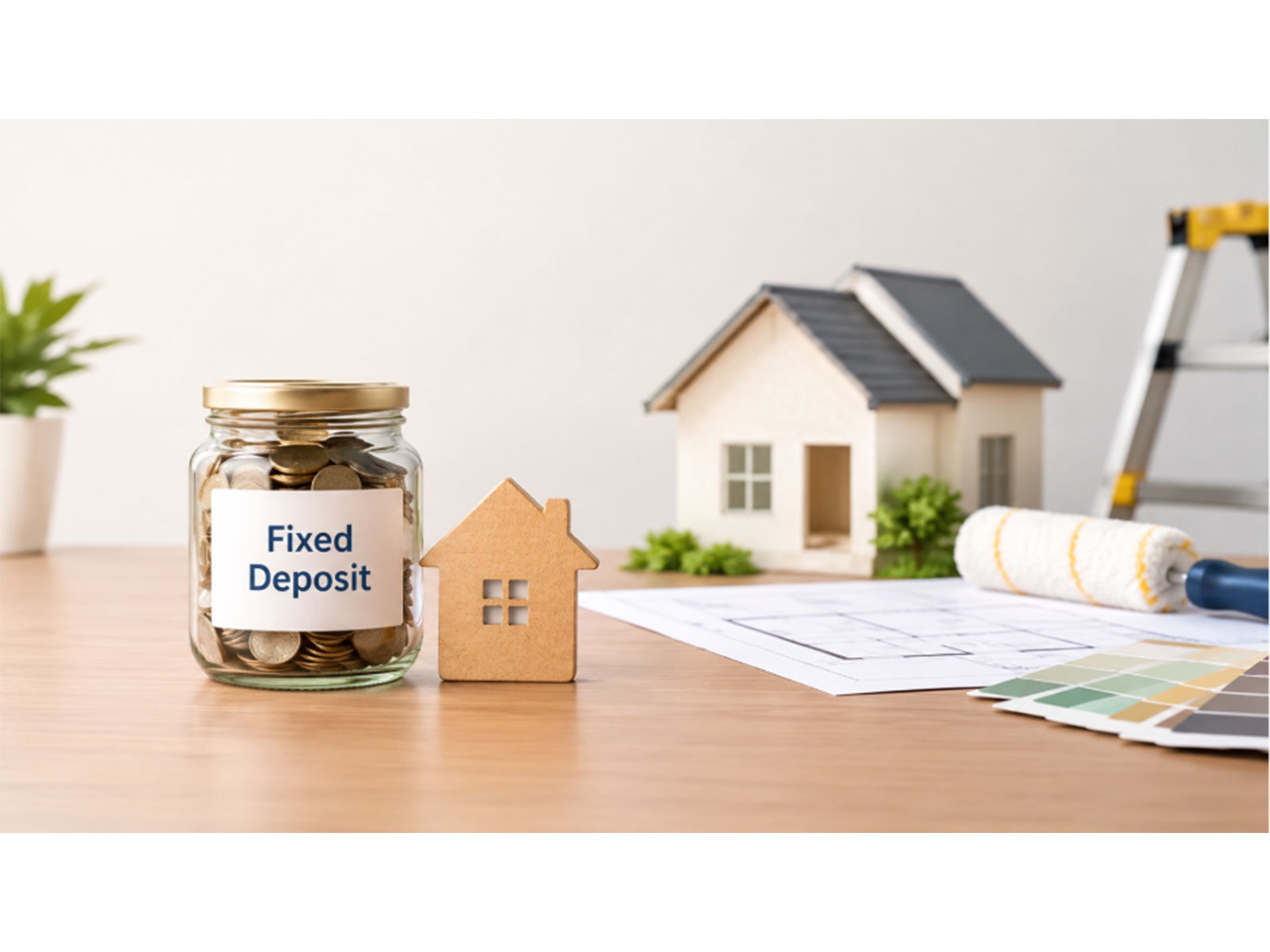
That is where an FD for home renovation can be useful. A fixed deposit for house upgrade can help you set aside money in a structured way, earn steady returns, and create a clear renovation savings plan for planned home expenses. Rather than relying on ad hoc withdrawals, you can use a goal-based FD renovation approach to stay organised and financially prepared. For house upgrade can help you set aside money in a structured way, earn steady returns, and create a clear renovation savings plan for planned home expenses. Rather than relying on ad hoc withdrawals, you can use a goal-based FD renovation approach to stay organised and financially prepared.
Why A Fixed Deposit Can Help
A fixed deposit is a savings option where money is kept for a chosen tenure at a pre-decided interest rate. Unlike market-linked investments, the returns are predictable, which makes an FD suitable for planned expenses like home repairs or upgrades. It can help you build discipline around a target expense while keeping the principal protected until maturity, subject to the product terms.
For home-related spending, this matters because renovation costs often appear in stages. You may need funds first for materials, then for labour, and later for finishing work. A fixed deposit for house upgrade can give you a steady pool of money for those milestones, instead of forcing you to disrupt other financial goals.
How A Goal-Based FD Renovation Plan Works
A goal-based FD renovation plan starts with identifying the nature of the upgrade and the time horizon. If the work is expected soon, a short-term FD for home improvement may suit the requirement better than a longer commitment. If the renovation is still a few months away, you can align the maturity date with the likely payment schedule and use the interest earned to support smaller expenses.
This approach works well when the renovation is specific and planned. For example, you may want to refurbish a kitchen, replace flooring, or upgrade bathroom fittings. Instead of mixing renovation money with everyday spending, a dedicated FD for home renovation helps keep the funds separate and easier to track.
A practical renovation savings plan can also reduce stress when contractor bills arrive. Since the amount has already been earmarked for the upgrade, you can make decisions more confidently and avoid borrowing at the last moment.
When A Short-Term FD For Home Improvement Makes Sense
A short-term FD for home improvement is useful when the expense is expected in the near future, and you want to preserve liquidity. It can be a good fit if you already know the approximate renovation timeline, but do not want the money to remain locked for too long. This is especially helpful for households managing other commitments such as EMIs, school fees, or household expenses.
It also suits smaller renovation goals. If you are planning repainting, fixture replacement, or minor structural work, a short-term FD for home improvement can help you create a clear savings bucket without overcomplicating the plan. For larger upgrades, the same principle still applies, but the deposit amount and tenure may need to be aligned more carefully with the overall project timeline.
Points To Consider Before Choosing An FD
Before choosing an FD for home renovation, it is important to check the tenure, payout option, and withdrawal terms. The right choice depends on when the money is needed and whether you want the interest to be paid periodically or at maturity. A careful review also helps ensure that the deposit matches the renovation schedule rather than creating a cash-flow gap later.
You may also want to compare the deposit features offered by different institutions, including premature withdrawal rules and the availability of a loan against FD if required. For planned home spending, the objective should be to keep the money secure, accessible at the right time, and aligned with the renovation savings plan. A fixed deposit for house upgrade works best when it supports your schedule, not when it adds pressure to it.
Conclusion
An FD can be a handy way to finance home improvements in a controlled and low-risk manner. It allows households to plan their expenditure, protect their savings, and plan for home improvements without having to tap into uncertain cash flow.
A goal-based FD renovation approach can help make the process more manageable if renovation is in the near future. If you have immediate expenses, a short-term FD for home improvement might strike the right balance between return and accessibility. A good plan for saving money on renovations makes home improvements seem more organised and less disruptive to day-to-day money management.
(ADVERTORIAL DISCLAIMER: The above press release has been provided by VMPL. ANI will not be responsible in any way for the content of the same.)
Related reading