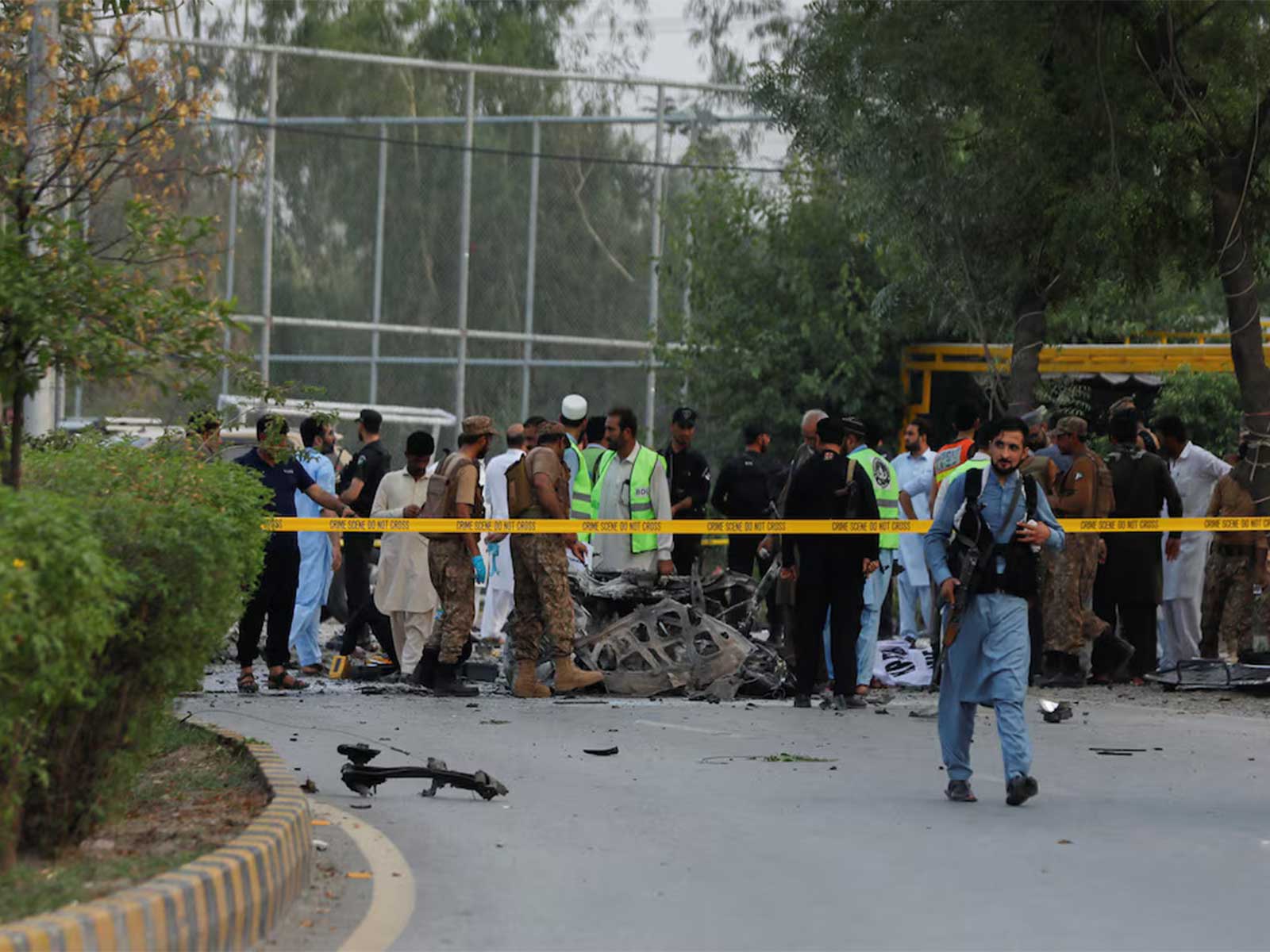
Islamabad [Pakistan] May 17 (ANI): The Human Rights Commission of Pakistan (HRCP) has expressed grave concern over what it described as a sharp deterioration in the security situation across Balochistan and Khyber Pakhtunkhwa, warning that citizens are increasingly trapped between enforced disappearances, targeted killings and militant violence.
In a post shared on X, HRCP criticised the state’s failure to protect civilians and maintain security on key highways and public spaces, particularly in conflict-hit regions of the country.
The rights body pointed to the reported abduction of the vice-chancellor, pro-vice chancellor and two other employees of the University of Gwadar in Mastung district while they were travelling from Gwadar to Quetta. HRCP said the incident raised “serious questions” about the government’s ability to ensure the safety of citizens even on major routes connecting important cities of Balochistan.
The commission also condemned the killing of Professor Ghamkhwar Hayat in Noshki earlier in the day, stating that attacks on teachers and academics carry consequences that extend beyond individual victims and deepen fear and instability within society.
“When teachers and academics are abducted or shot dead, the consequences extend far beyond individual tragedies,” the statement said.
Turning to Khyber Pakhtunkhwa, HRCP highlighted a series of deadly attacks in Bannu, Bajaur and Lakki Marwat, including a bombing in the crowded Sarai Naurang market that reportedly killed and injured several people. The organisation said the attacks reflected a worsening pattern of militant violence affecting civilians, police officers and security personnel alike.
The commission urged Pakistani authorities to move beyond “mere statements of condemnation” and take concrete action to restore public safety and accountability.
HRCP demanded the immediate recovery of the missing university officials, transparent investigations into all recent attacks and accountability for those responsible. It warned that continued insecurity and impunity are eroding public trust in the state’s ability to safeguard lives. (ANI)
Related reading