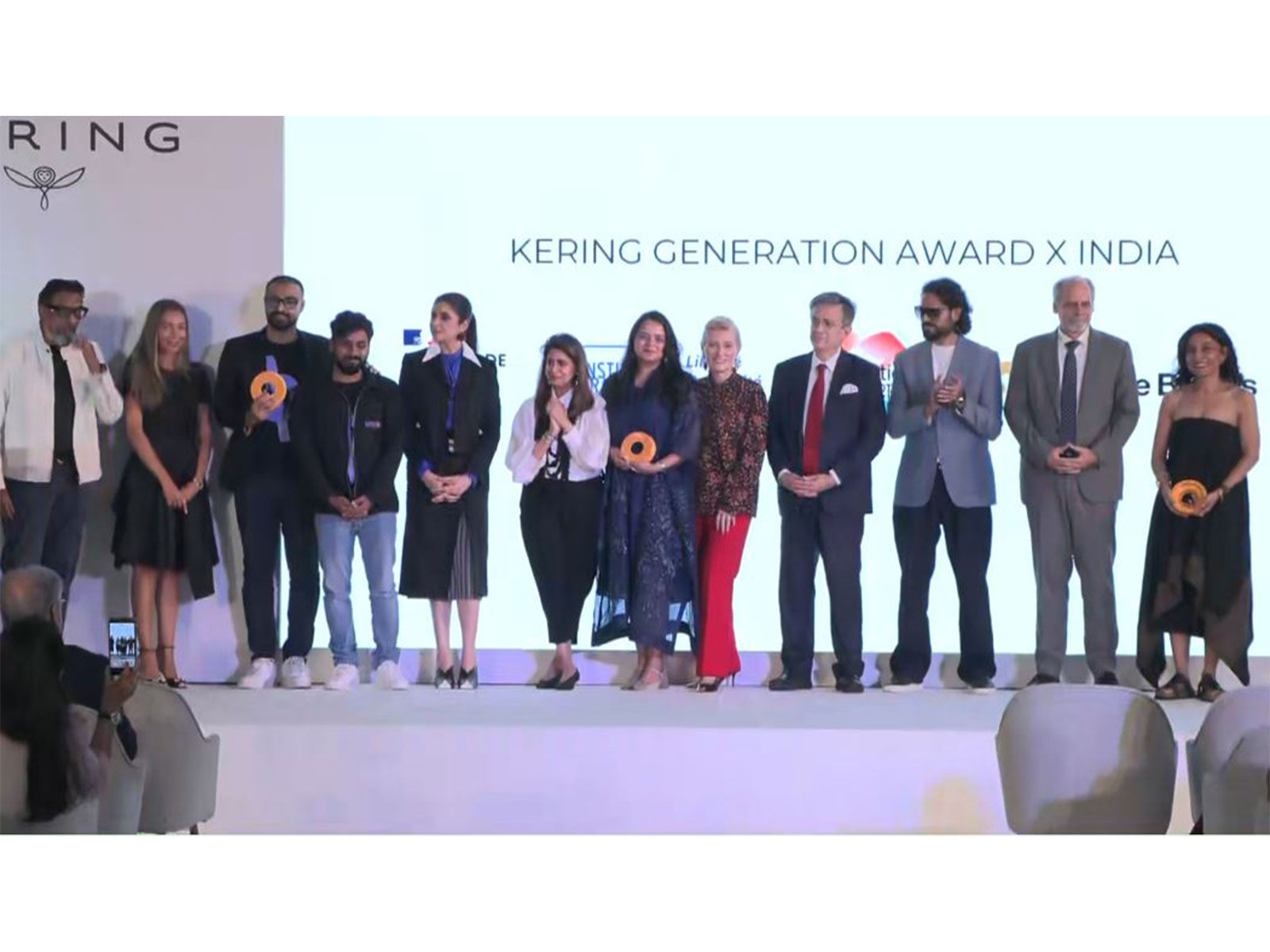
New Delhi [India], October 13 (ANI): The Kering Generation Award made its debut in India at the Embassy of France, recognising three innovators working on sustainable solutions across materials, textiles and fashion, with Paiwand Studio, Without and A Blunt Story emerging as winners.
The award recognised Ashita Singhal of Paiwand Studio, Anish Malpani of Without and Chandni Batra of A Blunt Story for developing solutions aimed at addressing environmental and social challenges through innovation.
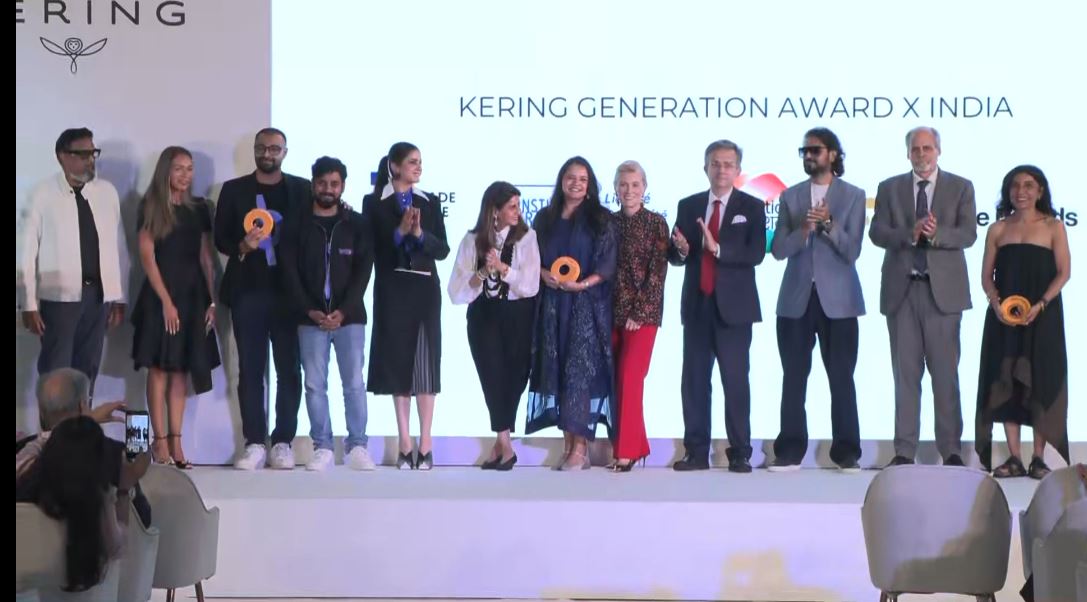
French Ambassador to India Thierry Mathou, addressing the gathering at the Embassy of France, said the launch of the award in India was a significant milestone, reflecting the country’s growing importance as a market for fashion and luxury, as well as a source of talent, innovation and entrepreneurial energy.
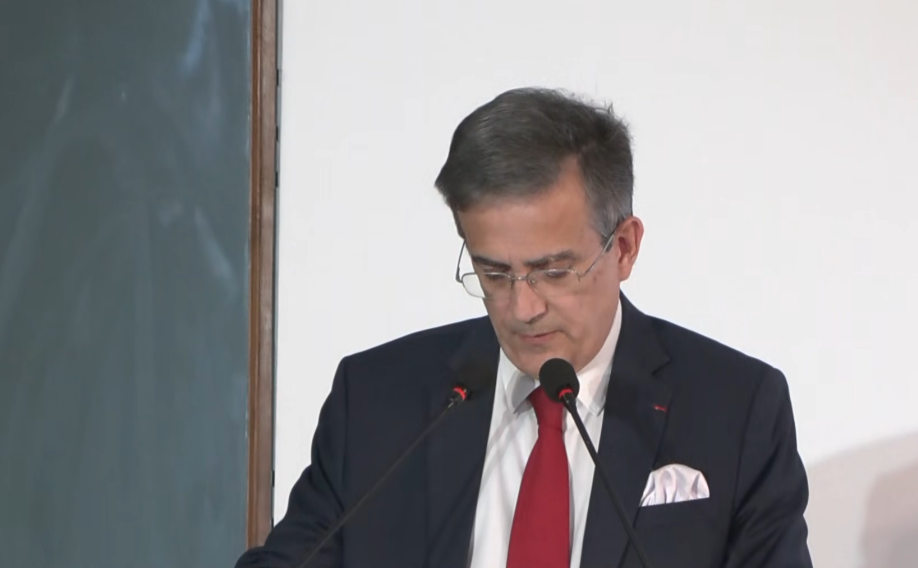
“France and India share a rich creative interaction built on craftsmanship and design and a strong commitment to excellence. These dialogues must also address the environmental challenges facing the fashion industry,” Mathou said.
He said initiatives such as the award were important in supporting entrepreneurs and developing innovative and circular solutions to turn ambitions into concrete action.
Mathou also highlighted the role of cultural and creative industries in driving innovation and strengthening bilateral ties between the two countries.
“As part of the Indian-French Year of Innovation 2026, we want here at the embassy to encourage this kind of initiative. The French Embassy is deeply committed to this ambition,” he said.
He cited initiatives such as Villa Swagatam, a network of residences across France and South Asia that brings together artists and designers to exchange practices and explore new approaches, as well as the exhibition ‘Textile Matters’, which explored the textile traditions shared by India and France. He said the exhibition would be presented in India in 2028.
Highlighting the shared objectives of the Kering Generation Award and the Circular Design Challenge (CDC), Mathou said both initiatives supported talent and ideas that could make the fashion industry more innovative, sustainable and forward-looking.
“While the Circular Design Challenge highlights designers and circular approaches to creation, the Kering Generation Award focuses on entrepreneurs developing solutions with positive environmental and social impact,” he said.
Marie-Claire Daveu, Chief Sustainability and Institutional Affairs Officer at Kering, said innovation was a key pillar of sustainability and essential to changing existing practices in the industry.
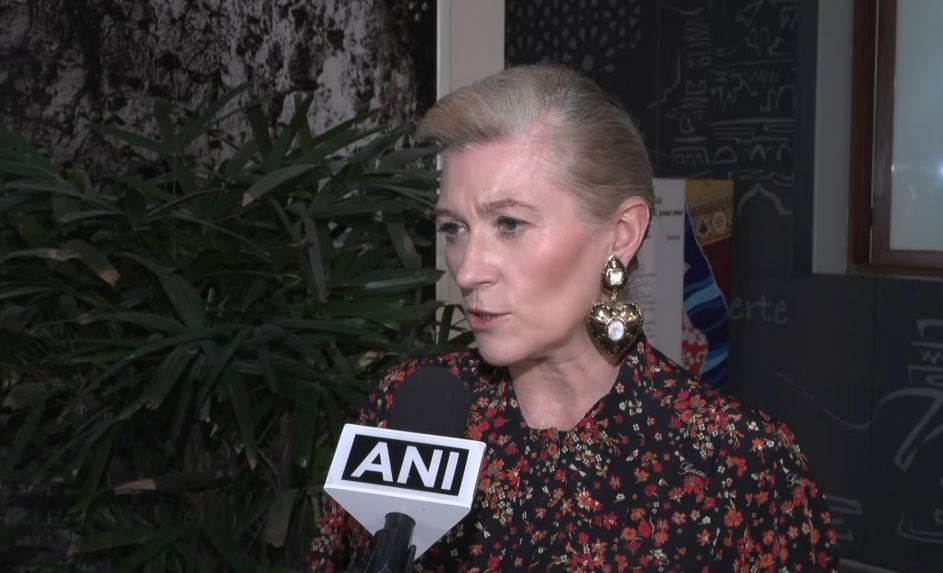
“If we want to change the paradigm, we need innovation,” she told ANI, adding that India was an important market for the group and had a vibrant ecosystem of sustainability, entrepreneurship, craftsmanship and heritage.
“For us, it was quite obvious to bring this Kering Generation Award to India and really be able to identify the key startups for the future,” Daveu said.
Award winner Ashita Singhal, founder of Paiwand Studio, said the award recognised the studio’s work in combining textile waste with traditional handloom weaving to create new circular materials.
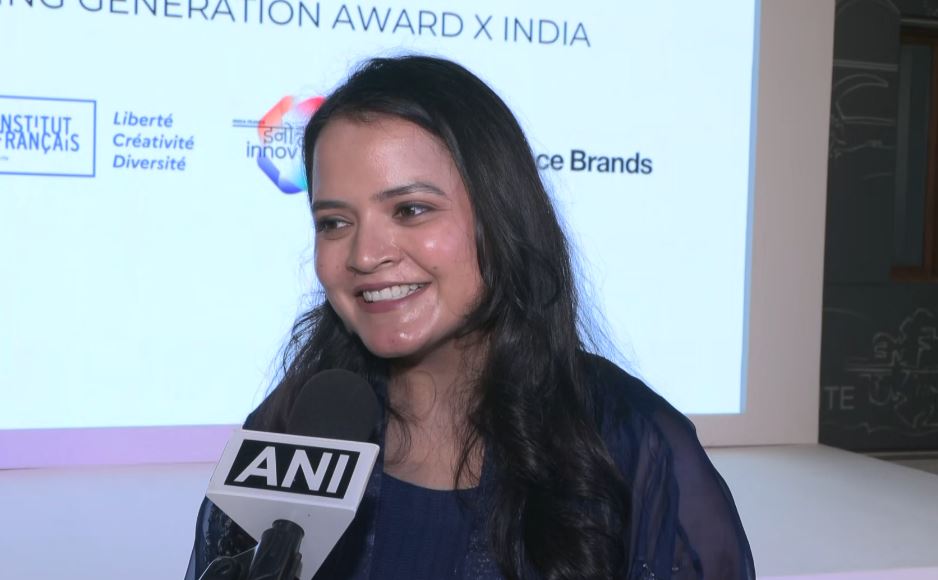
“I am very excited to be the winner of the Kering Generation Award India. We have received this award for our craft innovation, where we are working with handloom weavers and introducing textile waste into their craft to create new circular materials,” Singhal said.
She said she started Paiwand Studio in 2018 while studying design, after observing the pollution caused by the fashion industry and the amount of waste being discarded.
“The entire idea stemmed from seeing my surroundings, how the fashion industry was polluting and there was a lot of waste that was being discarded. I picked up that scrap and thought, can we create something out of it without burdening Mother Earth more?” she said.
Singhal said the studio, based in Noida, uses waste as a raw material and combines it with handcrafted Indian textiles to develop new materials.
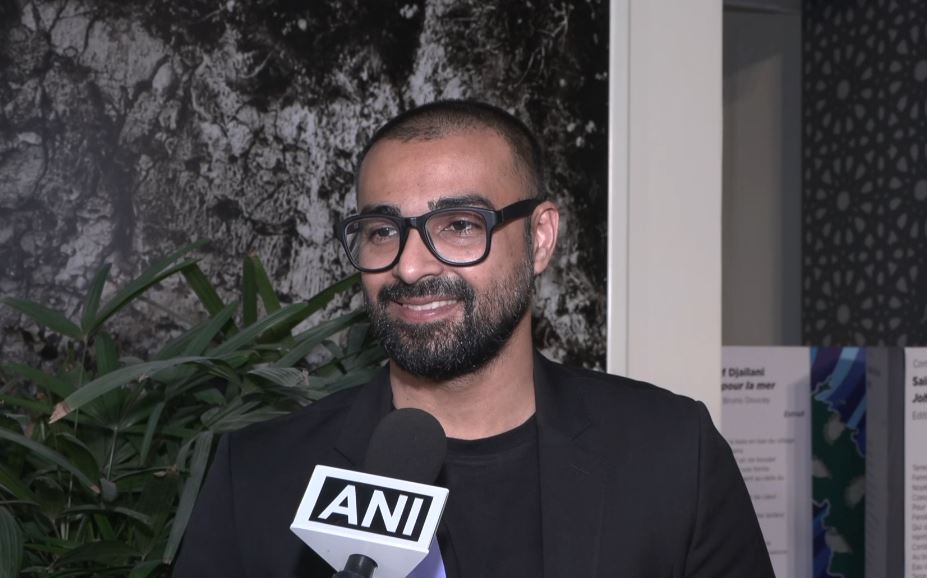
Another award winner, Anish Malpani, founder of Pune-based Without, said the company uses patented technology to convert difficult-to-recycle waste, including chips packets and blended textiles, into high-quality materials for applications such as eyewear, activewear, textiles and packaging.
He said the company also aims to address social challenges by providing better livelihood opportunities to former informal waste workers employed in its manufacturing operations.
“Our manufacturing team is made up of former informal workers who earn twice as much as they were earning before. They have stock options in the company, and most importantly, they have dignity,” Malpani said.
He said the idea behind Without emerged from his research into how businesses could address environmental and social problems at scale, particularly India’s complex waste management challenges. The company has also developed sunglasses using discarded chips packets as a proof of concept.
Malpani said the award could help the startup demonstrate its materials to larger supply chains and create opportunities for wider adoption.
“What you are looking for as a startup is how to ensure that your material can enter some of the largest supply chains. For that, the first thing you need is opportunity, and the Kering award gives us an opportunity to show what our material can do,” he said.
Jaspreet Chandok, Group Vice President of Reliance Brands Limited, said the award would help Indian innovators access global opportunities and mentorship.
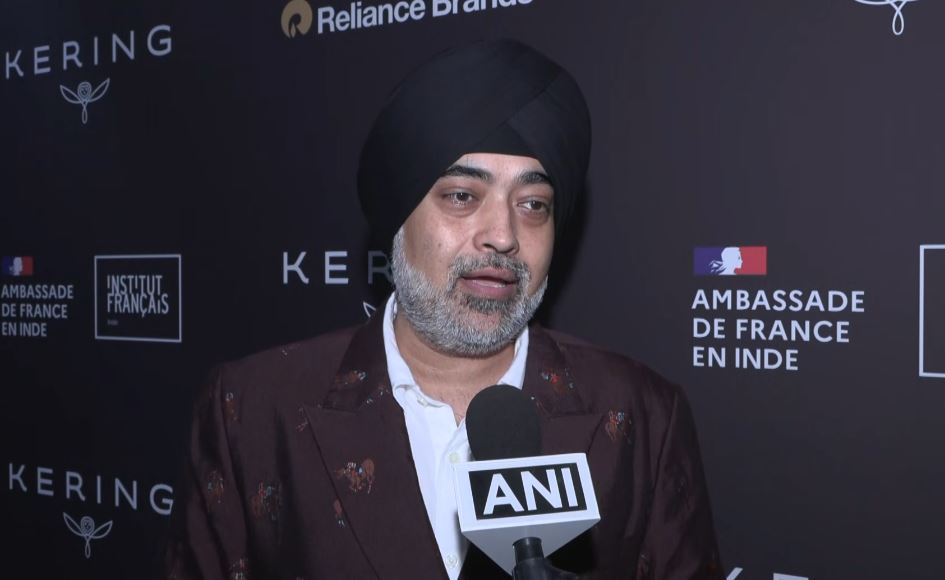
At Kering’s headquarters in Paris, Daveu and Chandok signed a memorandum of understanding to collaborate on bringing the Kering Generation Award to India, promoting sustainability and circular innovation in the fashion industry.
“As Reliance Brands, we are very glad that we’ve been able to bring the Kering Generation Award to India. It’s already happened in a couple of other cities across the world, but, you know, I think India has so many interesting things happening in the space of sustainability. We hope that we can provide that impetus of global impact for them,” Chandok said.
He added that the winners would have access to a mentorship programme to help develop Indian fashion and sustainability initiatives and take them to a global audience.
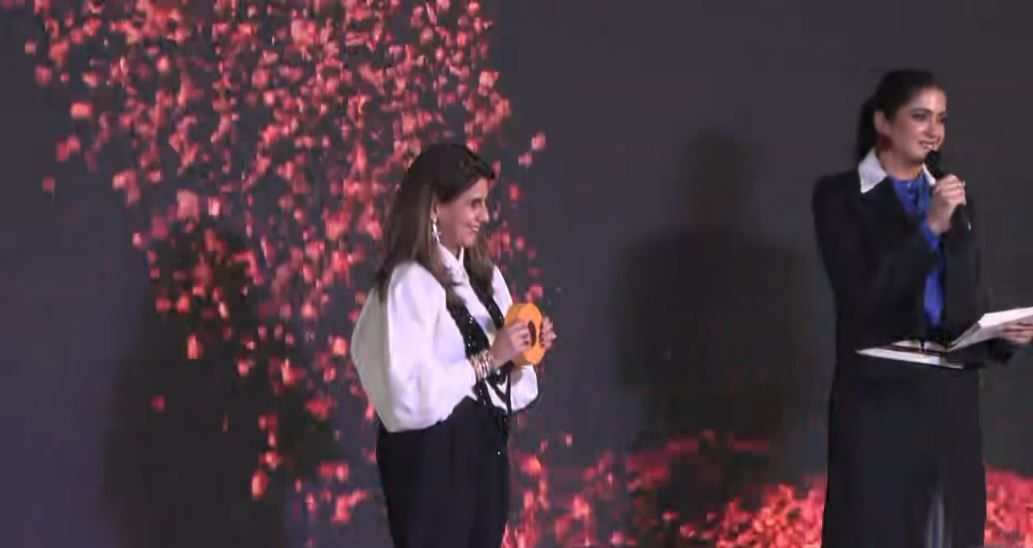
Ace fashion designer and jury member Rahul Mishra said the award was not limited to a single industry, but recognised designers, technologists and innovators developing solutions across product categories.
“Many of these innovators are bringing great solutions. They are creating something good out of waste. It is almost like ‘waste to wealth’ as an idea,” he said.
Rahul said the decision to recognise three winners reflected the scale of innovation taking place in India, with several applicants working on solutions to sustainability challenges.
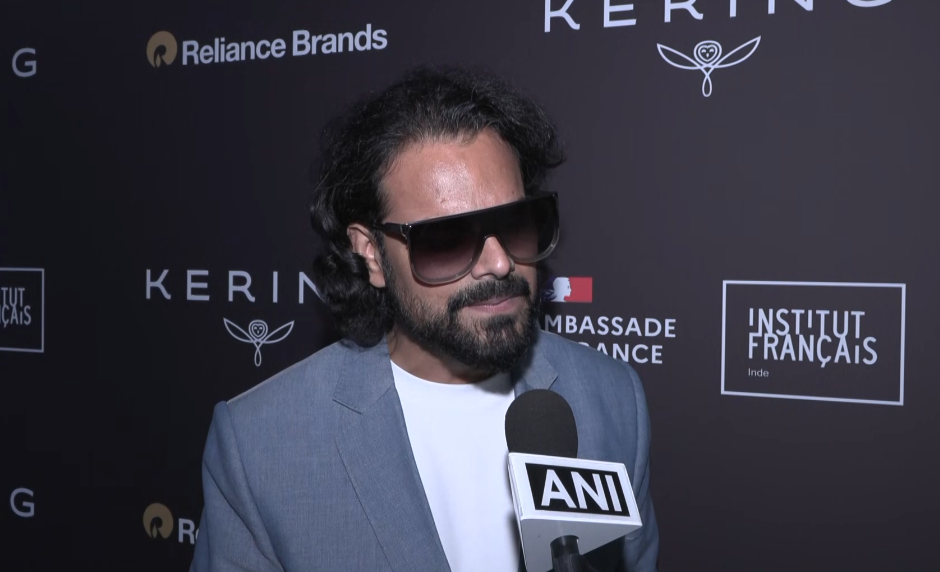
He also highlighted India’s traditional crafts, hand embroidery and weaving as examples of practices that could contribute to sustainable production while supporting employment in craft clusters and weaving centres.
He said the collaboration between Kering, Reliance Brands, the French Embassy and other partners could help bring Indian innovators and their solutions to wider global attention.
The jury comprised Sujata Assomull, fashion journalist and editor, Marie-Claire Daveu, Kering’s Chief Sustainability and Institutional Affairs Officer, ace fashion designers Manish Malhotra and Rahul Mishra, and Pascal Morand, Executive President of the Fédération de la Haute Couture et de la Mode.
The other jury members included Stefan Priesner, United Nations Resident Coordinator in India; Radhika Raje Gaekwad, Maharani of Baroda and advocate for heritage conservation and Indian textile craftsmanship, Kulsum Shadab Wahab, founder of Ara Lumiere and Executive Director of the Hothur Foundation; Sumeet Yadav, Head of Reliance Brands Limited, and Anne-Gaëlle Lamort.
The Kering Generation Award focuses on entrepreneurs developing solutions with positive environmental and social impact, bringing together industry players and emerging businesses working towards a more sustainable future for fashion and related sectors. (ANI)
Related reading