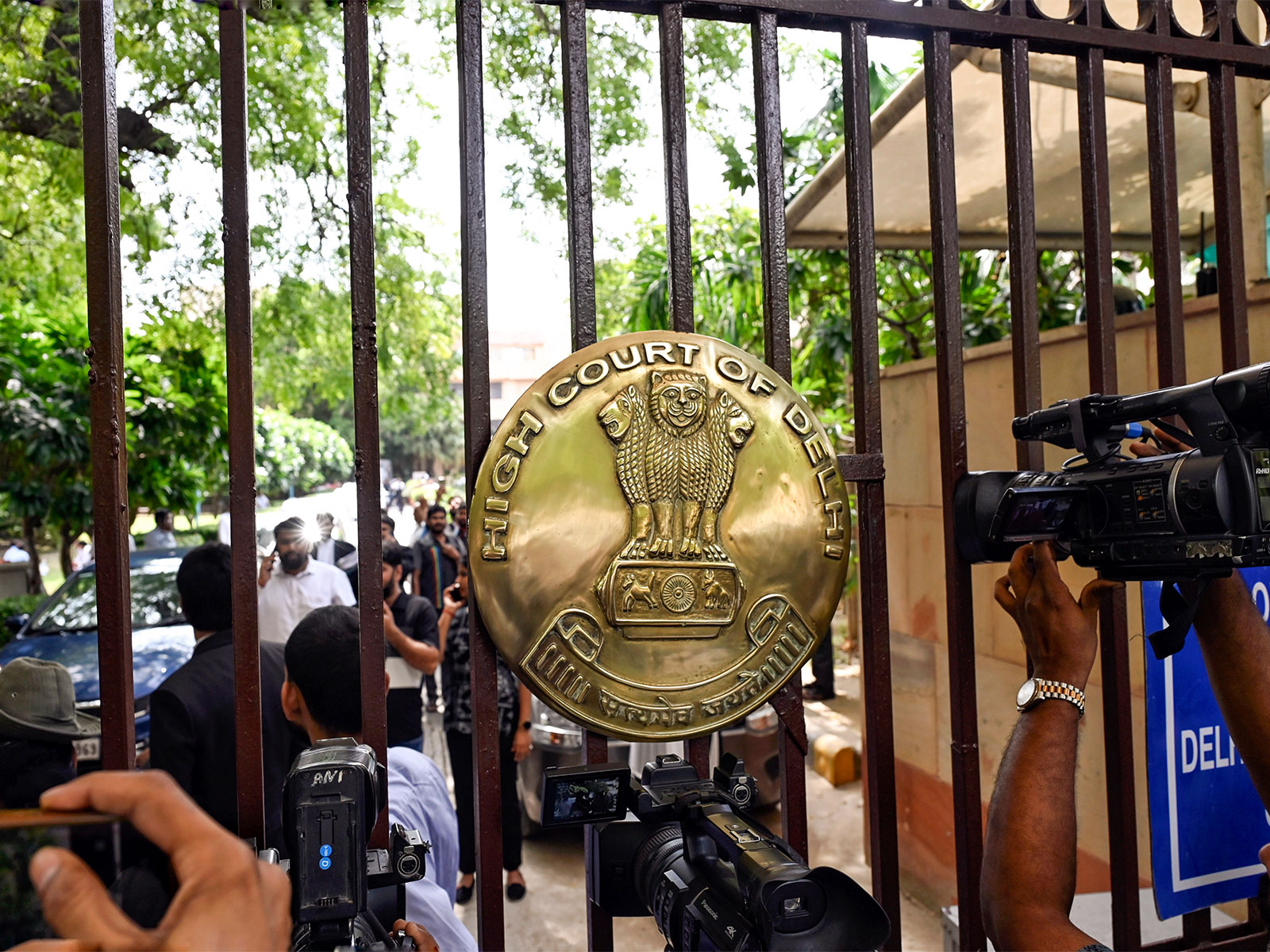
New Delhi [India], October 12 (ANI): The Delhi High Court has granted interim protection to actor and BJP MP Kangana Ranaut’s personality rights, restraining the unauthorised use of her name, image, voice and other personal attributes, including through artificial intelligence-generated deepfakes, manipulated videos and fabricated speeches.
Justice Vikas Mahajan, in an order dated October 8, directed Meta Platforms Inc to remove and permanently take down the allegedly infringing content identified by Ranaut within 72 hours of being served a copy of the order.
The court also directed the Ministry of Electronics and Information Technology and the Department of Telecommunications to issue necessary directions to internet and telecom service providers to block access to the identified infringing websites within the same period.
The directions will remain in force until the next date of hearing.
The court passed the order on a suit filed by Ranaut seeking protection of her personality and publicity rights, alleging that fabricated statements, AI-generated content, morphed images and manipulated audio-visual material depicting her were being circulated across social media and other online platforms.
After examining the plaint and accompanying documents, the court observed that Ranaut’s stature gave her proprietary rights over her personality and associated attributes, including the right to protect them against unauthorised use and commercial exploitation.
The court held that such protection also extended to AI-generated, morphed, sexual and explicit deepfake content.
“The apprehension of detriment and damage to the image and personality of the plaintiff, prima facie, appears to be real and present,” the court observed while granting interim relief.
The court noted that certain content identified in the documents filed by Ranaut appeared, at first glance, to be obscene, sexually vulgar or pornographic material generated through AI or manipulation, allegedly depicting her without her permission. It also referred to a fact-check report placed on record concerning an image that Ranaut claimed was fabricated.
The judge further observed that manipulated audio-visual material and AI-generated content falsely portraying Ranaut as making statements, expressing opinions or participating in activities that never occurred could mislead ordinary viewers into believing the material was genuine.
The court said such misrepresentation and misinformation assumed greater significance when a person’s image and current designation were used alongside fabricated quotes or statements.
Ranaut’s counsel, senior advocate Saket Sikri, had argued that the circulation of such material infringed her personality rights, publicity rights, right to identity and right to dignity, besides potentially damaging her reputation.
The plaint stated that Ranaut, who has worked in the entertainment industry for over two decades and is currently a Member of Parliament representing the Mandi constituency in Himachal Pradesh, enjoys substantial public recognition and commercial goodwill associated with her name, image, likeness and voice.
The court found that the material listed in Annexure A to the order made out a prima facie strong case in her favour. It held that the balance of convenience also favoured Ranaut and that the potential injury to her image and personality might not be adequately compensated through monetary damages.
As part of the interim order, the court restrained the defendants, including unidentified persons referred to as John Does, and those acting on their behalf, from creating, publishing, reproducing, disseminating, hosting, transmitting or otherwise exploiting Ranaut’s personality attributes without her authorisation.
The restraint specifically covers AI-generated content, deepfakes, synthetic media, manipulated videos and audio recordings, fabricated speeches, false endorsements and impersonation content depicting or purporting to depict her.
The defendants have also been restrained from creating or operating accounts, pages, profiles, channels, websites or other digital assets falsely suggesting any association, affiliation, endorsement or authorisation by Ranaut.
The court directed Meta to remove or disable access to the identified content on platforms operated by it, including videos, reels, posts, accounts and channels unlawfully using or imitating her persona.
The Ministry of Electronics and Information Technology and the Department of Telecommunications have been directed to issue the necessary notifications or directions to internet service providers and telecom service providers to block or remove access to the websites identified in the plaintiff’s documents.
Both Meta and the government departments have been directed to file compliance affidavits within two weeks.
The court also permitted Ranaut to notify the defendants of additional infringing URLs, accounts, channels or content discovered after the filing of the suit. Such material can be removed or access to it disabled without requiring her to institute fresh proceedings.
At the same time, the court clarified that a website or social media account that is not primarily infringing but is blocked pursuant to the order may approach the court with an undertaking that it does not intend to infringe Ranaut’s personality rights. The court may then consider modifying the injunction.
The defendants have also been permitted to approach Ranaut for clarification on how particular URLs listed in Annexure A and Document K fall within the scope of the order.
The court issued notice on the applications and directed the concerned defendants to file their replies within four weeks. The matter is listed before the Joint Registrar on December 4, 2026, for completion of service and pleadings, and before the court on February 3, 2027.
The court also recorded that two defendants had taken down the disputed material after receiving an advance copy of the suit. On Ranaut’s counsel stating that these defendants could be deleted from the array of parties, the court ordered their deletion. (ANI)
Related reading