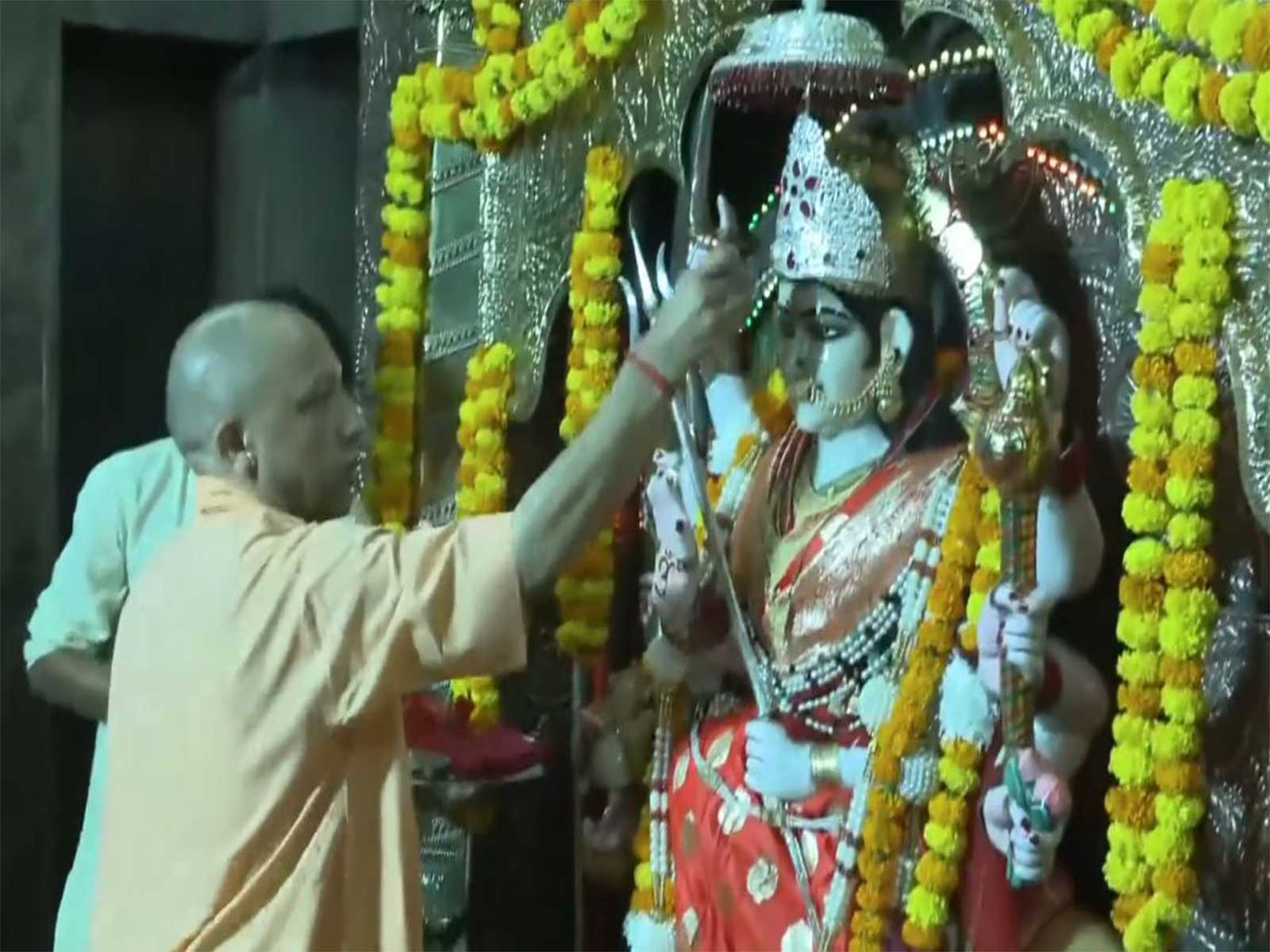
Balrampur (Uttar Pradesh) [India], October 11 (ANI): On the auspicious occasion of Sharadiya Navratri, Uttar Pradesh Chief Minister Yogi Adityanath visited the historic Maa Pateshwari Devi temple in the Tulsipur area of Balrampur this morning.
The Chief Minister offered prayers and sought blessings.
The temple, also known as Devi Patan, is one of the famous 51 Shakti Peethas of Goddess Durga.
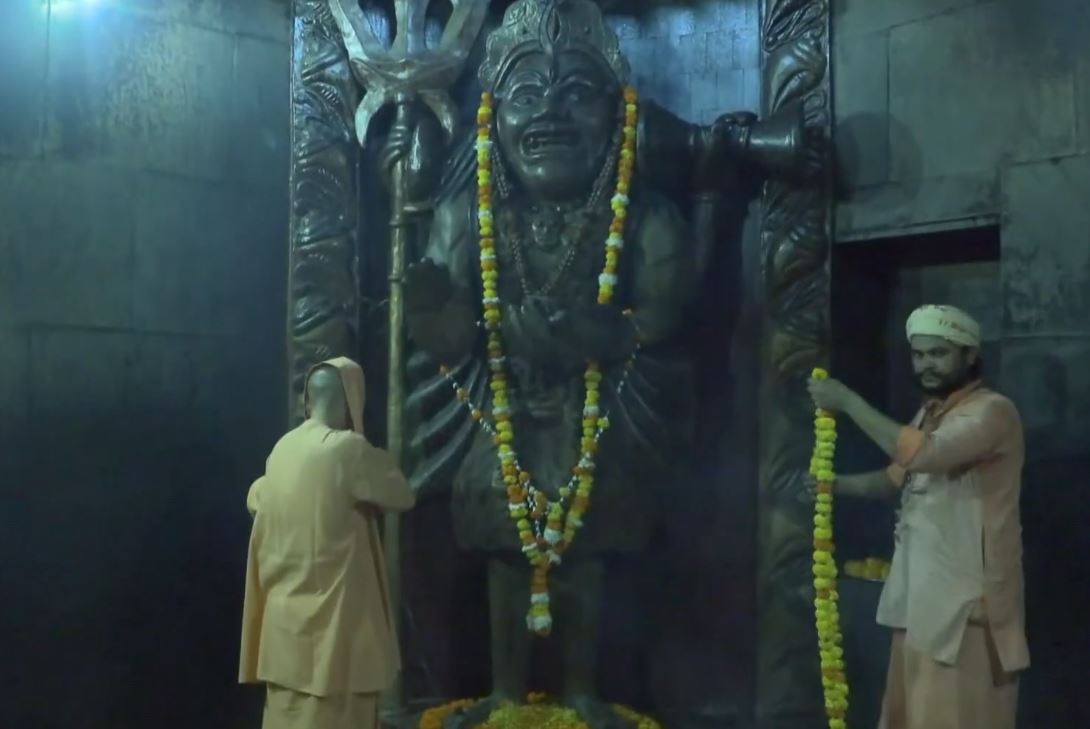
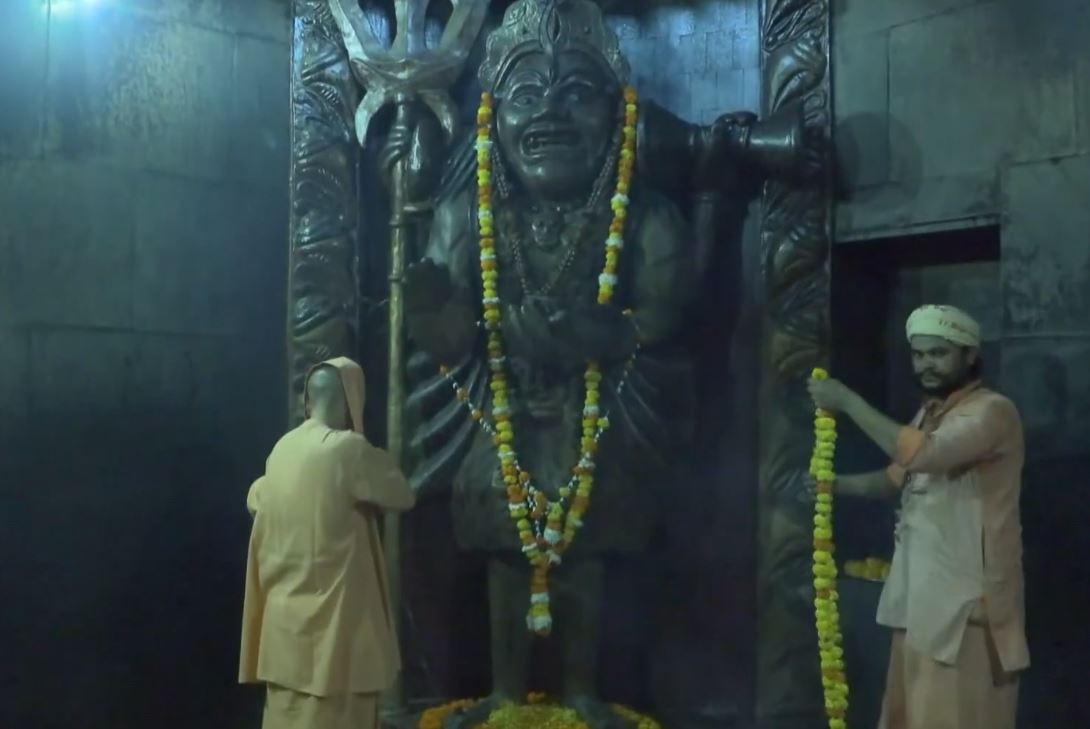
Following his visit to the sacred temple, the Chief Minister inaugurated and laid the foundation stones for 78 development projects worth over ₹803 crore, aimed at accelerating growth in the region. During the event, symbolic checks, laptops, and certificates were also distributed to beneficiaries of various public welfare schemes.
In an X post, Yogi posted, “In the sacred abode of the universal mother, Maa Pateshwari Devi, in Balrampur district, 78 development projects costing over ₹803 crore were inaugurated and foundation stones laid today, accelerating development in the region. On this occasion, symbolic checks, laptops, and certificates were also distributed to the beneficiaries of various public welfare schemes.”
CM Yogi emphasised the commitment of the “double-engine” government, stating, “We will not let Balrampur district face any shortage of funds. For development, the double-engine BJP government will fulfill all necessary schemes for the youth, farmers, traders, and daughters here.”
Devotees also throng Shri Mata Vaishno Devi Temple in Katra to offer prayers on the first day of Shardiya Navratri.
On the eve of Shardiya Navratri, Maa Chandrika Devi Temple Priest said, “Regarding the temple—specifically Mataji’s shrine—the impact of the flood is such that the usual large crowds of devotees are missing. Currently, the situation is that we priests are performing the Aarti together among ourselves; devotees are unable to reach the shrine due to the rising waters of the holy Gomti River. That is why the number of visitors has been affected.”
Shardiya Navratri is a vibrant and sacred Hindu festival that spans nine nights, celebrating the divine feminine energy embodied by Goddess Durga. Observed in the lunar month of Ashwin, this festival is marked by fervent worship, elaborate rituals, and cultural performances.
Each day is dedicated to a different form of the goddess, symbolising various aspects of strength, compassion, and wisdom. Devotees engage in fasting, singing devotional songs, and participating in traditional dances, such as Garba and Dandiya, creating a joyful atmosphere.
Navratri days hold great significance among Hindus, and these days are celebrated with great grandeur. The seventh day of Navratri is dedicated to worshipping ‘Maa Kaalratri’, the fierce manifestation of Goddess Durga. She is also known as a destroyer of demons, evil spirits, and negative energies. She helps the devotees to remove the darkness. (ANI)
Related reading