Washington DC [US], October 10 (ANI): US President Donald Trump on Saturday continued to criticise the decision to award the 2026 Nobel Peace Prize to Indian-origin South African jurist Navi Pillay, claiming that he had settled eight wars, is close to ending or settling two more conflicts and deserved the prestigious honour for his efforts.
In a post on Truth Social, Trump listed what he described as his achievements in resolving international conflicts, securing the release of hostages and preventing Iran from acquiring nuclear weapons, while questioning why he or the United States did not receive the award.
“I settled 8 WARS, am close to ending or settling 2 more, got all of the Israeli hostages back, including the final 28, both living and dead, had hundreds of hostages, from countries all over the World, released and sent back home, won a war in Venezuela, and captured the violent dictator who so viciously ran that country, and stopped the number one state sponsor of terror, the Islamic Republic of Iran, from obtaining a Nuclear Weapon — AND MUCH MORE! Yet, with all of that I, or the United States of America, did not get the Noble Peace Prize,” Trump said in his post on Truth Social.
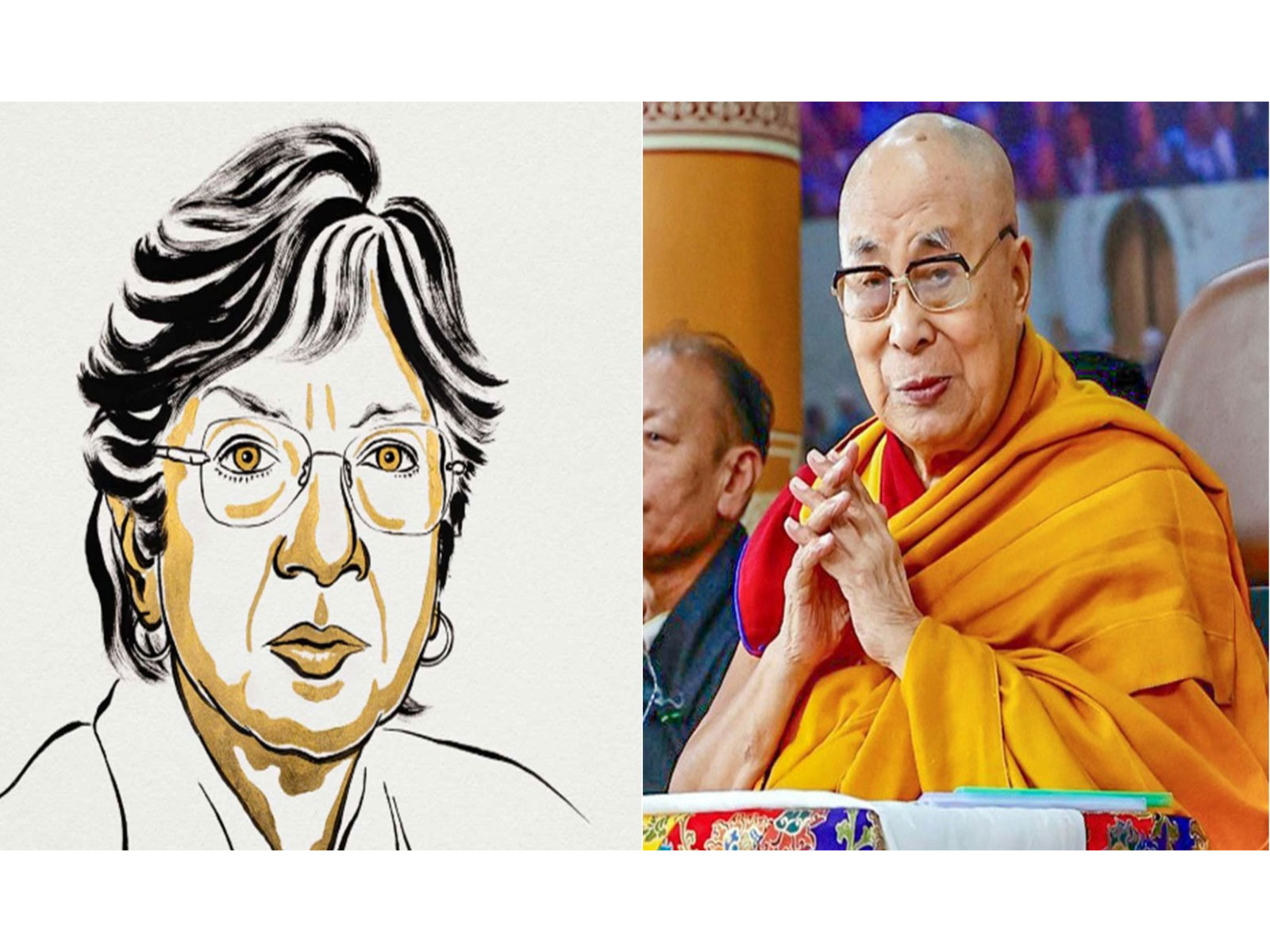
Trump’s remarks came after the Norwegian Nobel Committee announced on Friday that Pillay had been awarded the 2026 Nobel Peace Prize for her efforts to promote peace and international law.
In an earlier post on Truth Social, Trump questioned the decision to honour Pillay, claiming that he deserved the recognition for his role in resolving conflicts around the world.
“This is the woman who received the Nobel Peace Prize over the Great United States of America, whose Representative, ME, settled eight Wars, and many other things. I know nothing about this woman, and neither does anyone else!” Trump said.
He added, “In fact, to the best of my knowledge, no one ever heard of her other than the fact that she, very obviously, hates Israel.”
Trump also asserted that he had prevented Iran from obtaining a nuclear weapon and claimed to have helped avert conflicts in other regions, including tensions involving North Korea, South Korea, Japan, China and Taiwan.
The Nobel Committee, in its announcement, said Pillay had demonstrated exceptional courage and integrity in advancing a more comprehensive global legal order and had played a significant role in ensuring that war crimes, crimes against humanity and genocide are prosecuted.
“The Nobel Peace Prize for 2026 goes to a person who with exceptional courage and integrity has led the way towards a more comprehensive global legal order. This year’s laureate has been instrumental in ensuring that war crimes, crimes against humanity and genocide are prosecuted,” the committee stated.
Born into a family of Indian Tamil origin under apartheid in Durban, South Africa, Pillay became a lawyer and legal pioneer who confronted structural discrimination, segregation and exclusion.
She has served as a judge on South Africa’s High Court, the International Criminal Tribunal for Rwanda and the International Criminal Court (ICC). She also served as the United Nations High Commissioner for Human Rights and, until recently, chaired the UN Independent International Commission of Inquiry on the Occupied Palestinian Territory.
Pillay is currently a judge at the International Court of Justice in the case in which Myanmar stands accused of genocide.
Hours after the Nobel Peace Prize announcement, the United States announced additional sanctions targeting the ICC, citing concerns over American sovereignty and the threat posed by the international judicial body.
In a fact sheet, the US Department of State said the Trump administration was taking further measures against the ICC under an executive order titled “Imposing Sanctions on the International Criminal Court”.
The department said the United States had already imposed sanctions on 17 individuals under the executive order and was now announcing additional action against the court itself.
Under the measures, subject to applicable licences and exceptions, all property and interests in property of the ICC located in the United States or held by US persons would be blocked and required to be reported to the US Department of the Treasury’s Office of Foreign Assets Control.
The measures also prohibit transactions by US persons, or transactions within or transiting the United States, involving the property or interests of designated or otherwise blocked persons, unless exempted or authorised under applicable licences. (ANI)
Related reading