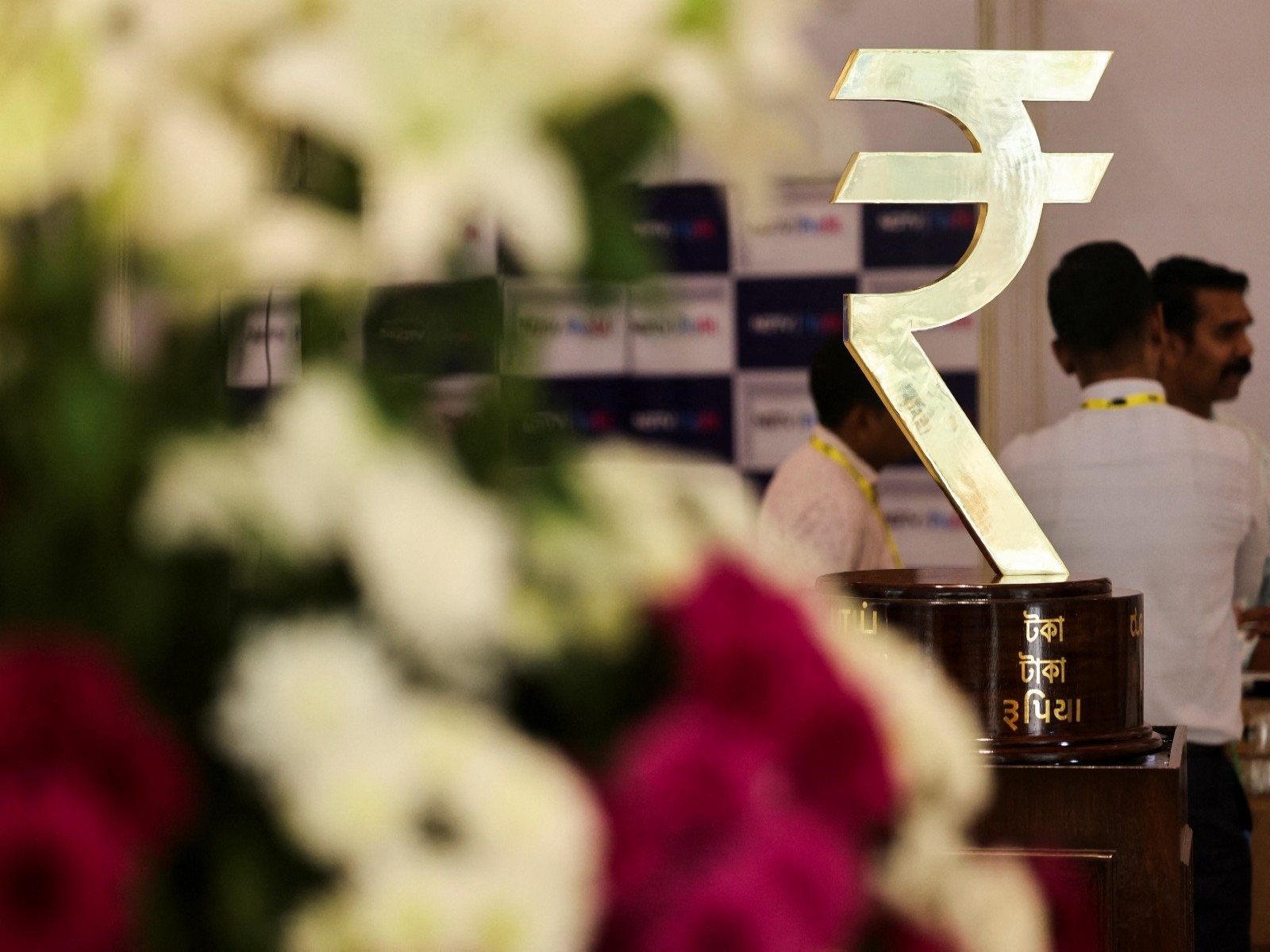
New Delhi [India], October 7 (ANI): The Indian rupee weakened sharply against the US dollar on Wednesday despite the Reserve Bank of India raising interest rates for the first time since February 2023, as elevated crude oil prices, higher global bond yields and importer demand outweighed the support normally expected from tighter monetary policy.
The rupee was trading around 96.78 against the US dollar at 3.30 pm, after opening at 96.42 and touching an intraday low of 96.85.
The move stood out because higher domestic interest rates generally tend to support a currency by improving the relative return on rupee-denominated assets.
The RBI on Wednesday raised the repo rate by 25 basis points to 5.50 per cent, its first increase since February 2023.
Currency expert K N Dey said the fall in the rupee following a rate increase was unusual.
“On a very rare occasion the Rupee has weakened by 50 paisa after the RBI policy announcement of a rate hike. Totally opposite,” Dey said.
He also pointed to strong demand for dollars from importers and a mismatch between interest-rate differentials and forward-market pricing.
“10-year yield difference between U. S and India are around 2% whereas the 3-month forward is 5%, 6 months is 4.4% and 1-year is 3.82%. Importers are panic buying. Very rarely seen,” Dey added.
The pressure on the currency comes despite the RBI beginning a rate-hike cycle under Governor Sanjay Malhotra, who took charge in December 2024. Wednesday’s decision was the first increase in the policy rate during his tenure.
Before this in 2025, the central bank has lowered repo rate by a cumulative 125 basis points through 2025, bringing it down from 6.5% to 5.25%.
Ajay Kedia, Director of Kedia Advisory, said global factors were continuing to dominate the rupee’s movement.
“Rupee remained weak near 96.80 per dollar, close to record lows, pressured by a firmer dollar, higher global bond yields, elevated Brent crude above $101.50 and continued foreign equity outflows,” Kedia said.
Higher crude prices are particularly important for the rupee because India imports most of its crude oil requirement, increasing demand for dollars when energy prices rise.
Kedia said the rupee could remain under pressure if it sustains below key levels.
“Rupee below 96.40, rupee looks weak toward 96.90–97.20, while RBI intervention may cap losses. Support stands at 96.00 below 96.50,” he said.
The RBI’s policy action therefore provided limited immediate support to the currency, with global risk factors and dollar demand continuing to drive the near-term direction of the rupee. (ANI)
Related reading