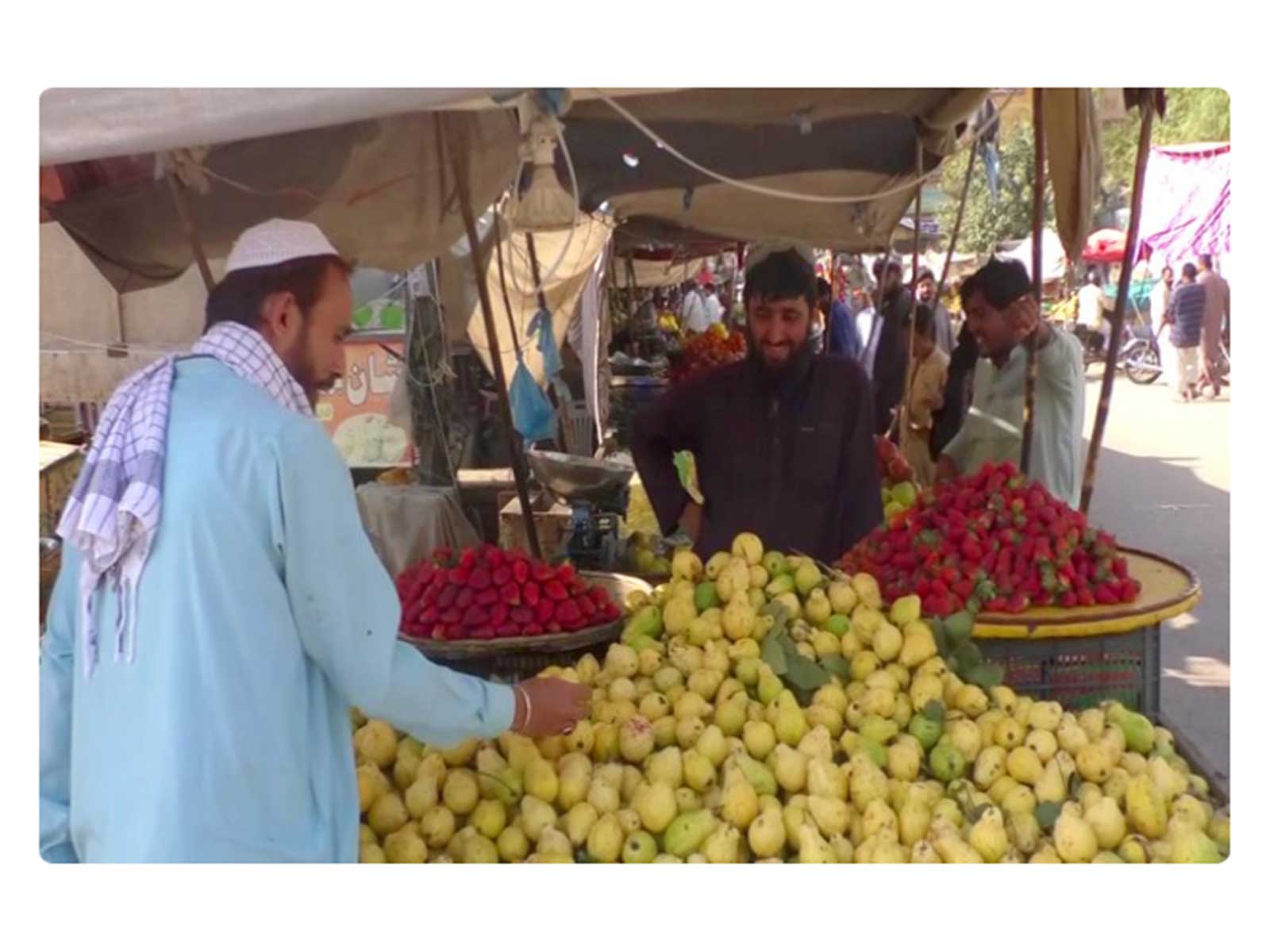
Peshawar [Pakistan], October 2 (ANI): Nearly nine in 10 low-income households in Peshawar have borrowed money to meet their daily expenses amid rising inflation, while 95.1 per cent of surveyed families said they were struggling to repay their loans, a survey conducted by a Pakistan-based research institute has found.
The findings, cited by Dawn, show that rising prices are putting growing pressure on household finances, with essential commodities and services becoming 35 to 40 per cent more expensive. As many as 48.7 per cent of households in low-income areas described themselves as “severely affected” by inflation.
Household finances came under further pressure as 67.3 per cent of families reported higher incomes, but expenditure grew at a considerably faster pace. Higher electricity, gas and fuel costs were reported by 93 per cent of households, while 86.4 per cent said their food expenditure had increased.
Rising food prices have also pushed several families towards cheaper alternatives. Healthcare costs emerged as another major concern, with 79.4 per cent of households saying they were unable to afford medical treatment expenses, the findings showed.
The pressure is also visible in education spending. As reported by Dawn, 59.1 per cent of households had delayed school fee payments, while 19.2 per cent had shifted their children from expensive schools to institutions with lower fees.
IRS Chairman Dr Mohammad Iqbal Khalil said the impact of inflation in Peshawar was not limited to food prices but was affecting multiple aspects of household life.
He said rising petroleum prices had further increased pressure on family budgets, with petroleum product prices rising by around 50 per cent since February 2026. The Dawn report noted that 84.6 per cent of households had experienced higher transport costs.
Higher transportation expenses also affected the mobility of families. The findings showed that 79.8 per cent of households had reduced trips to markets, while 51.6 per cent had cut travel related to educational activities.
Similarly, 49.2 per cent of households reported reducing journeys for employment purposes, while 37.7 per cent had limited travel for medical needs.
Dr Khalil released the survey report at a press conference at the Peshawar Press Club on Wednesday. The findings were based on information collected from 462 households in Peshawar, along with focus group discussions and consultations with various stakeholders.
The findings point to the wider financial pressure facing low and middle-income households, with rising costs affecting food, healthcare, education, energy and transport, while increasing reliance on borrowing to meet everyday needs. (ANI)
Related reading