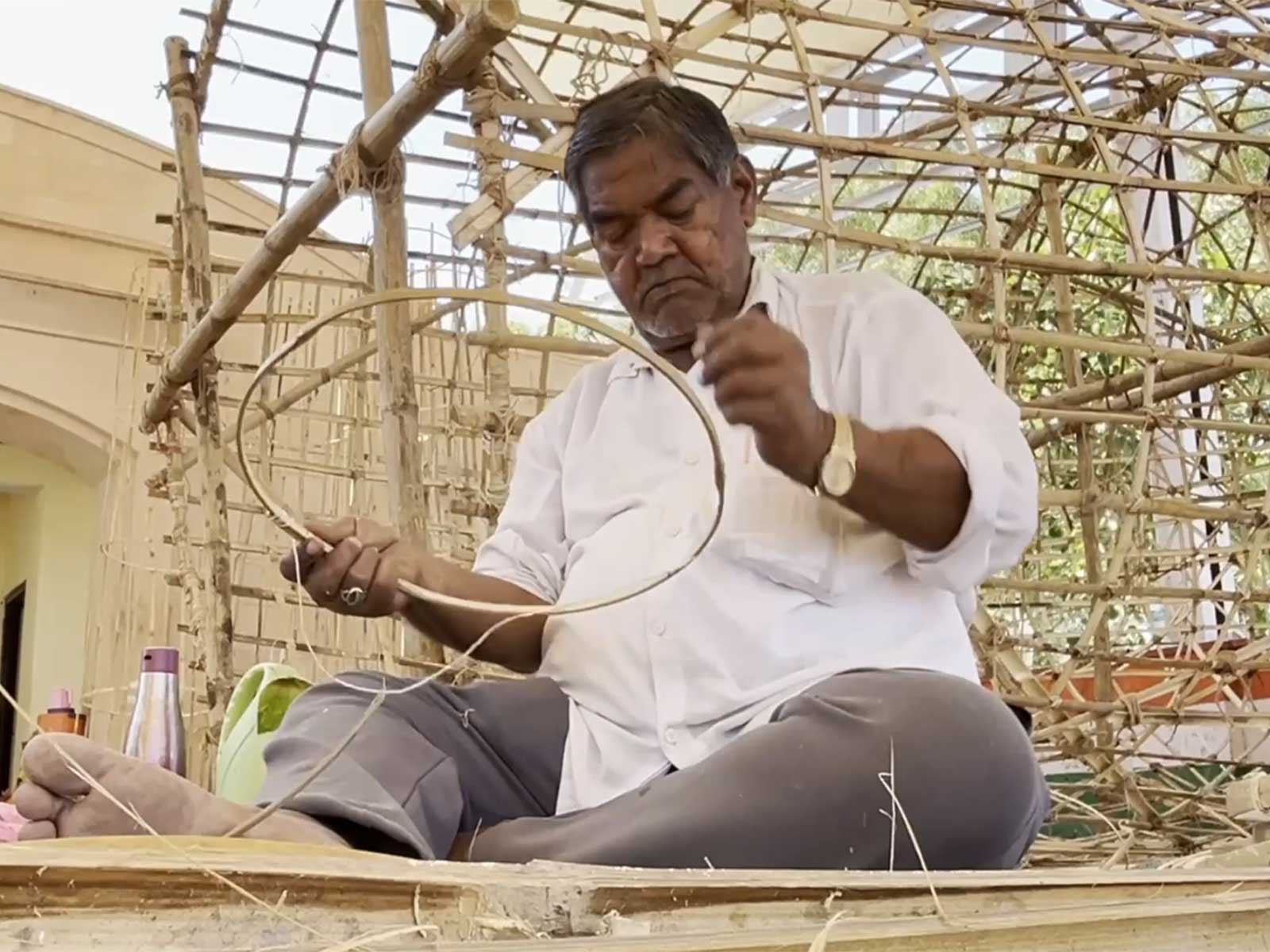
Ajmer (Rajasthan) [India], October 2 (ANI): With Dussehra approaching, the preparations for the festival have gathered pace in Ajmer, where artisans are working against time to give shape to towering effigies of Ravana, Kumbhakarna and Meghanada.
The effigy-making process has brought a familiar buzz to the city as artisans work with bamboo frames, waste material and golden paper to construct the figures that will become the centrepiece of the traditional Dussehra celebrations.
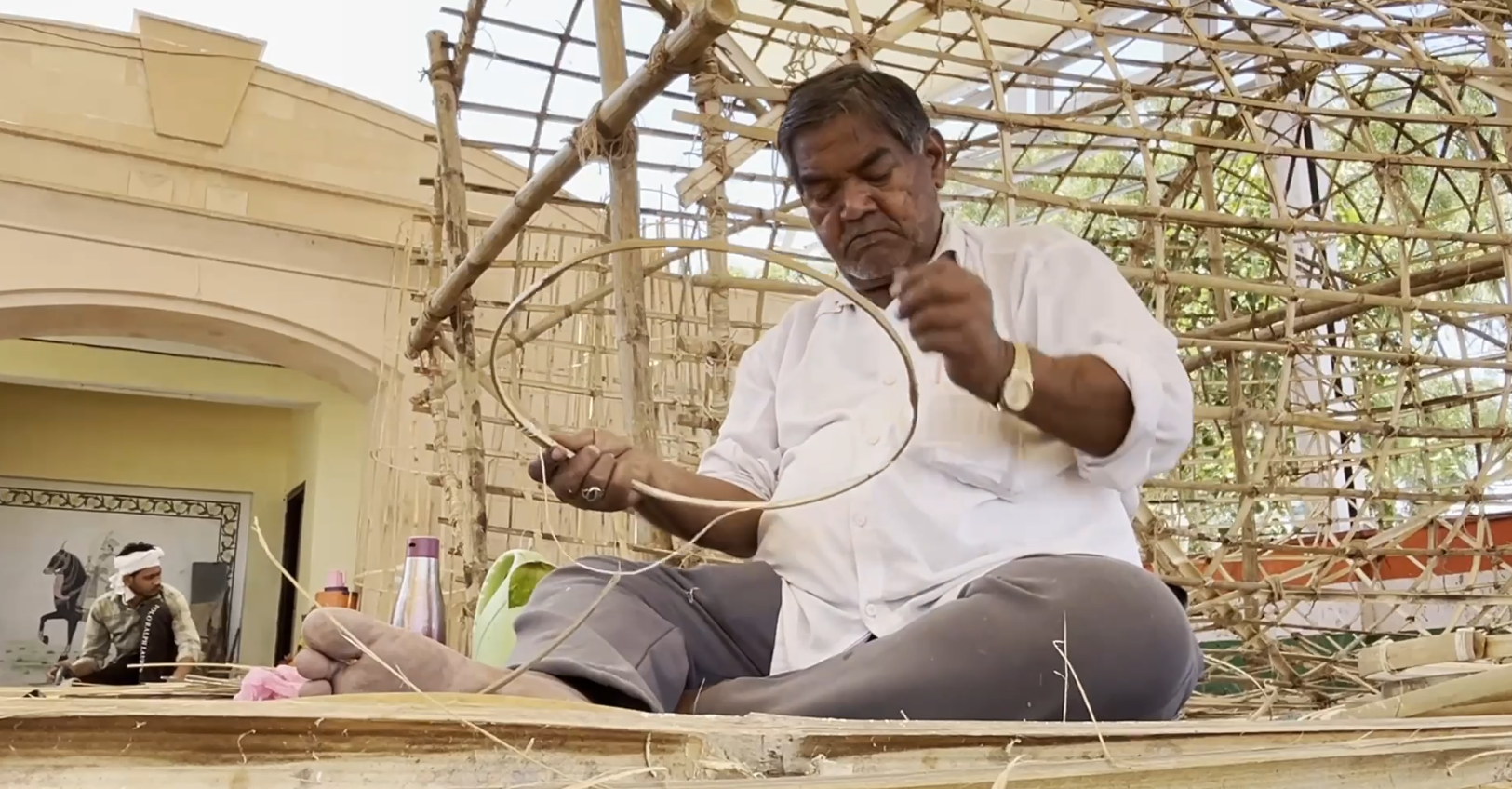
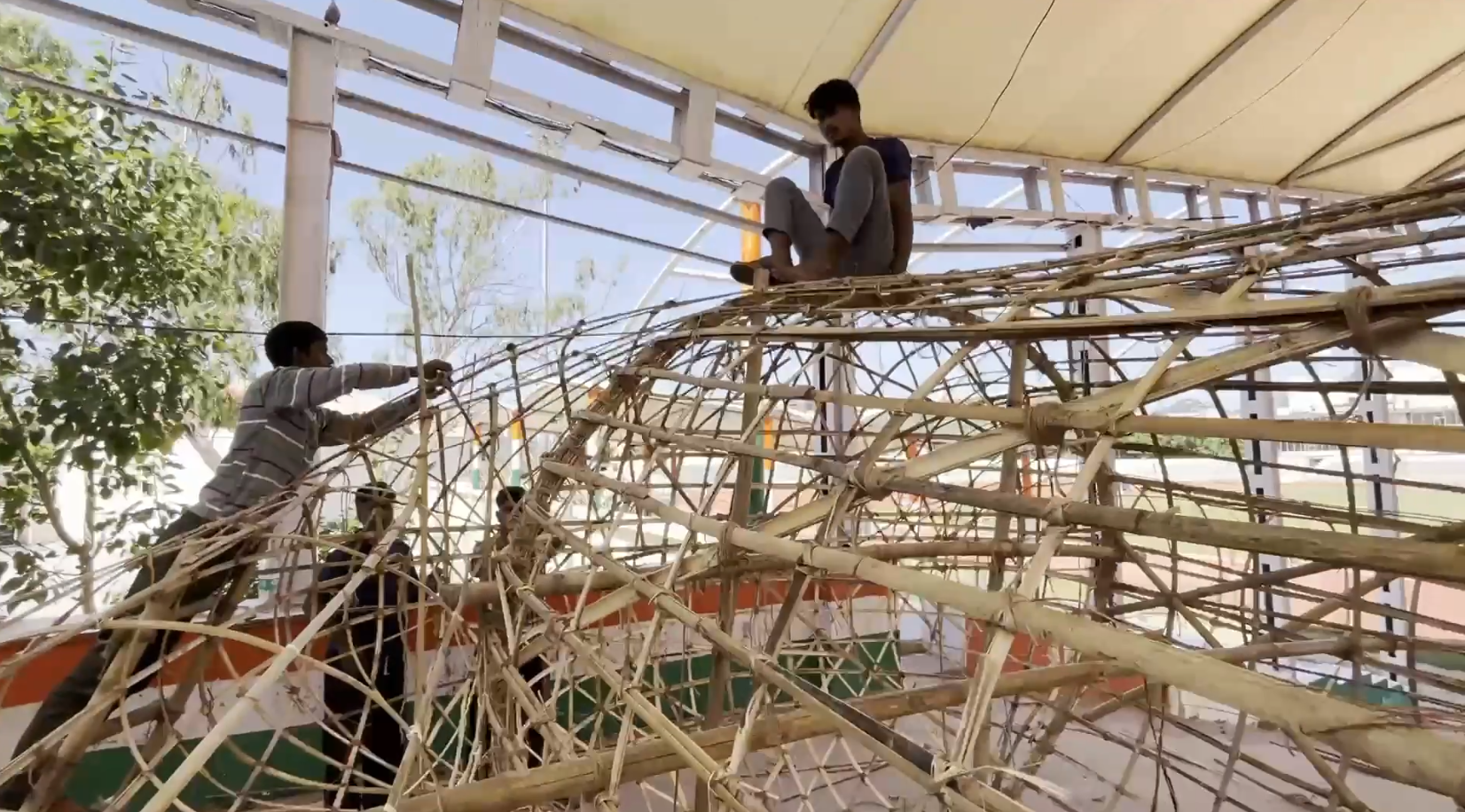
Artisan Shabbir Ahmed Farooqui said the work began later than usual this year due to delays in the tendering process, leaving the team with less time to complete the elaborate structures.
“We arrived a little late this time. Usually, we start work a month in advance after the committee calls us. Some parts are made at home and brought here, which takes time, and the tender was also delayed this year,” Farooqui told ANI.
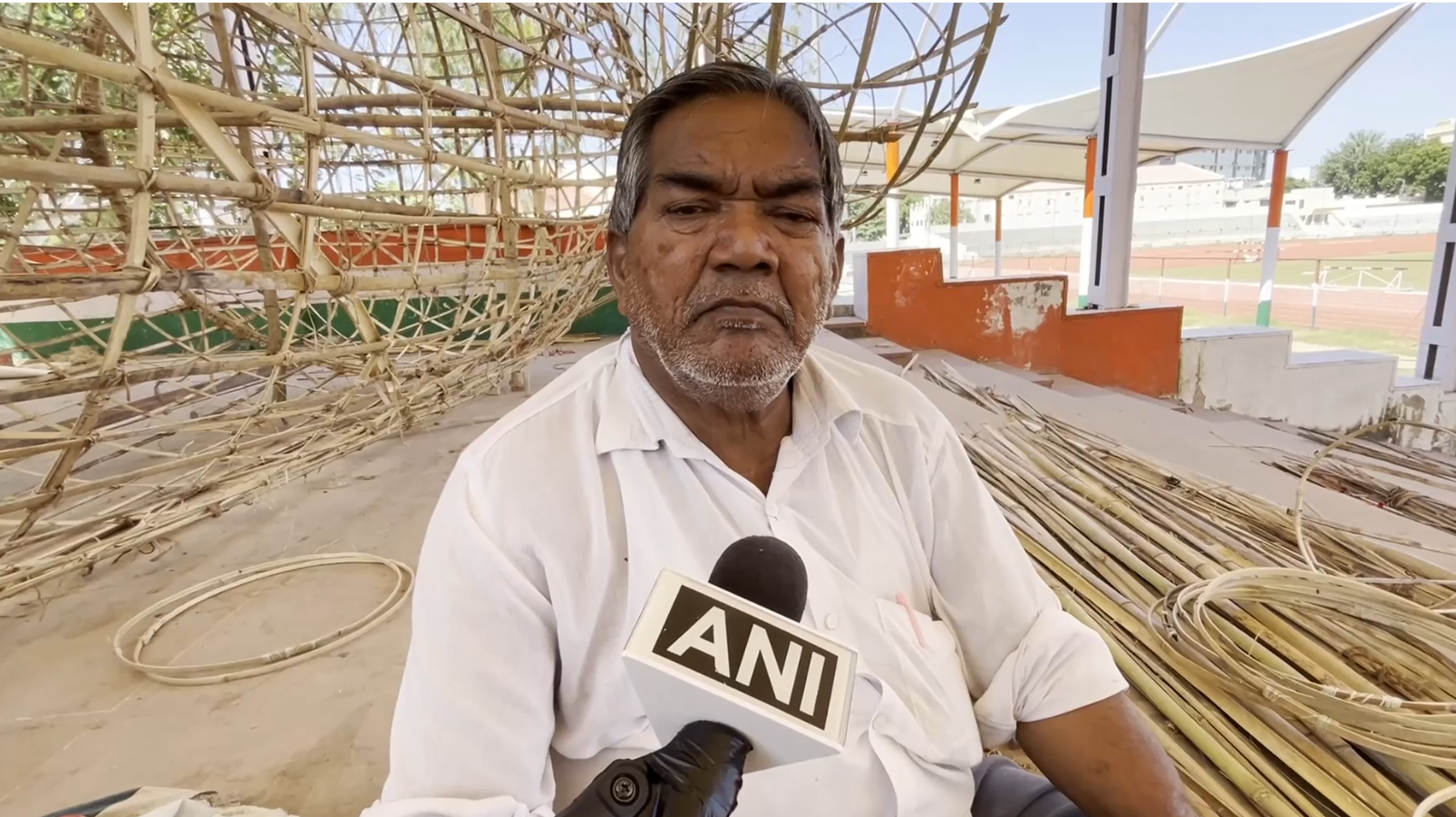
Despite the delayed start, the artisans have been working to ensure that the effigies are ready in time for the celebrations.
“This year, the usual effigies will be made with a slightly different crown design,” he said, adding that the Ravana effigy stands 65 feet tall, while the Meghanada effigy measures 45 feet.
The towering structures are being assembled piece by piece, with bamboo forming the basic framework before layers of other materials are added to create the final shape and appearance.
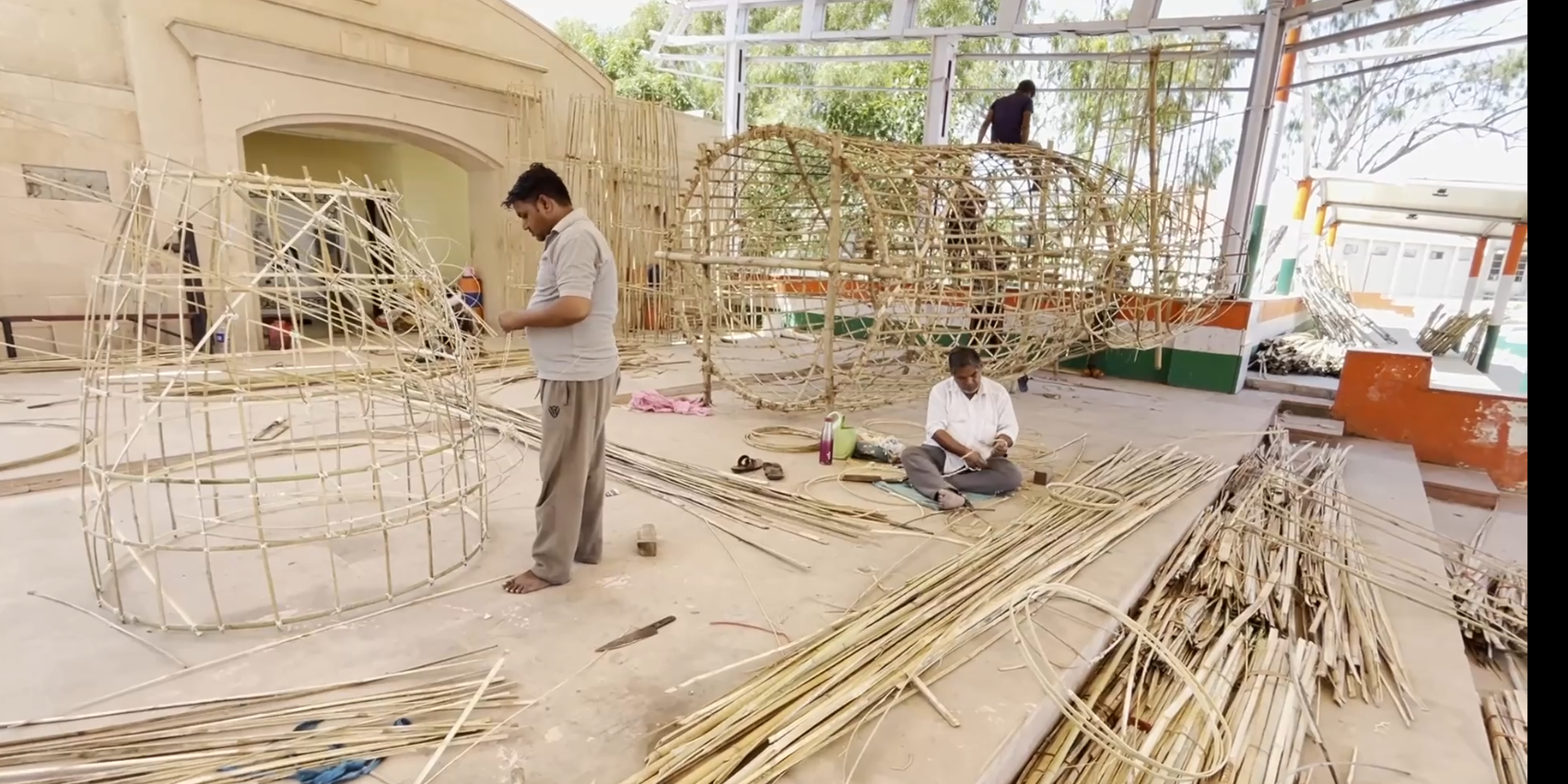
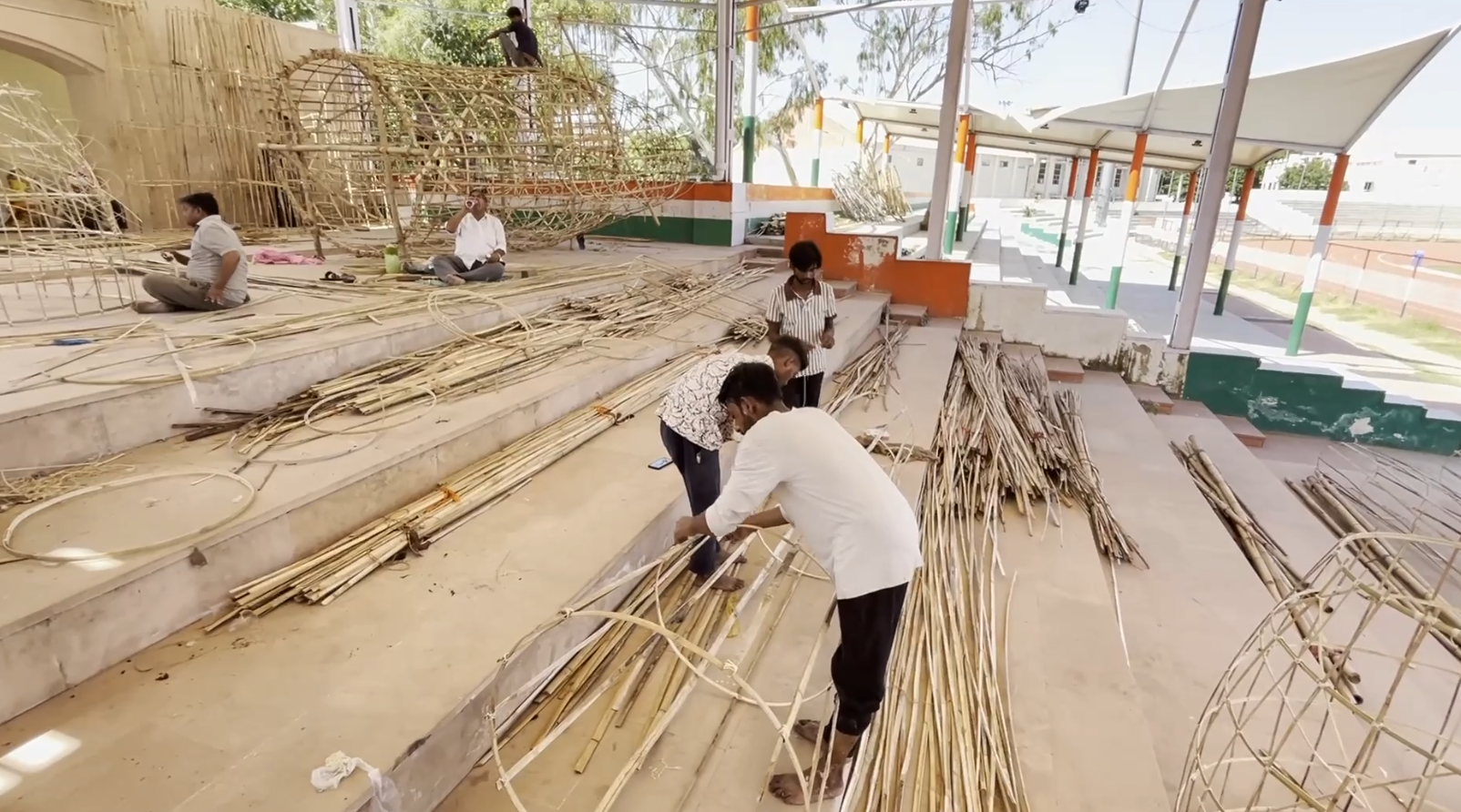
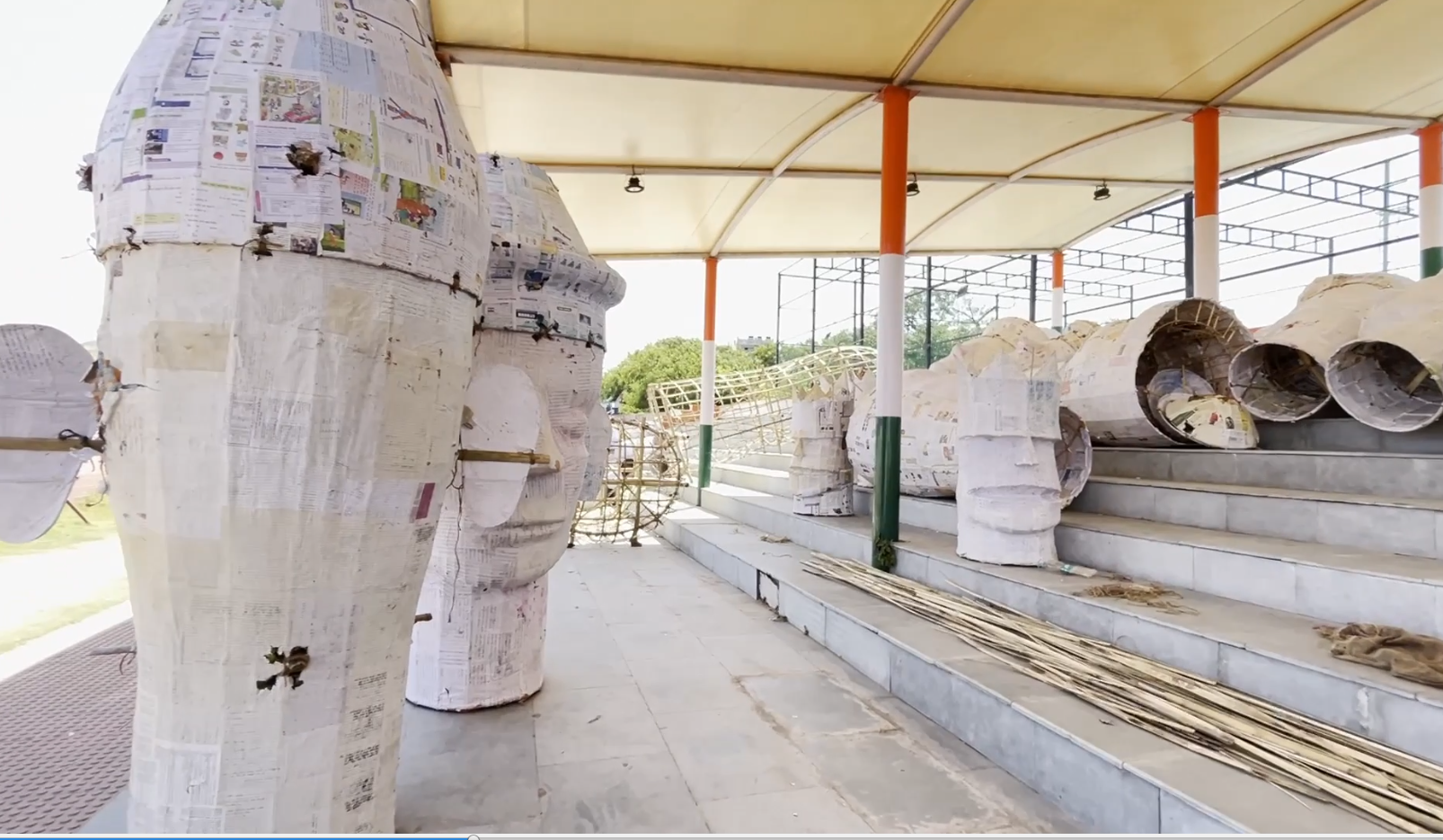
“The effigies are made using bamboo frames, waste material and golden paper,” Farooqui said.
The preparations also offer a glimpse into the traditional craftsmanship behind the festival, where handmade structures continue to form an important part of the visual spectacle associated with Dussehra.
The ‘Vijyayadashmi’ or ‘Dussehra’ festival is celebrated to mark the triumph of good over evil. It is believed that Lord Rama killed Ravan on this day, and with this belief, the tradition of burning the effigies of Ravan is observed to symbolise triumph of good over evil.
‘Vijayadashmi’ also marks the culmination of the nine-day-long Navratri festival.It is observed on the tenth day of the month of Ashvin, the seventh in the Hindu Luni-Solar Calendar.
The festival typically falls in the Gregorian calendar months of September and/or October. The festival also marks the start of preparations for Diwali, which is celebrated twenty days after Vijayadashami. Vijayadashmi is celebrated with huge fervour across the country. (ANI)
Related reading