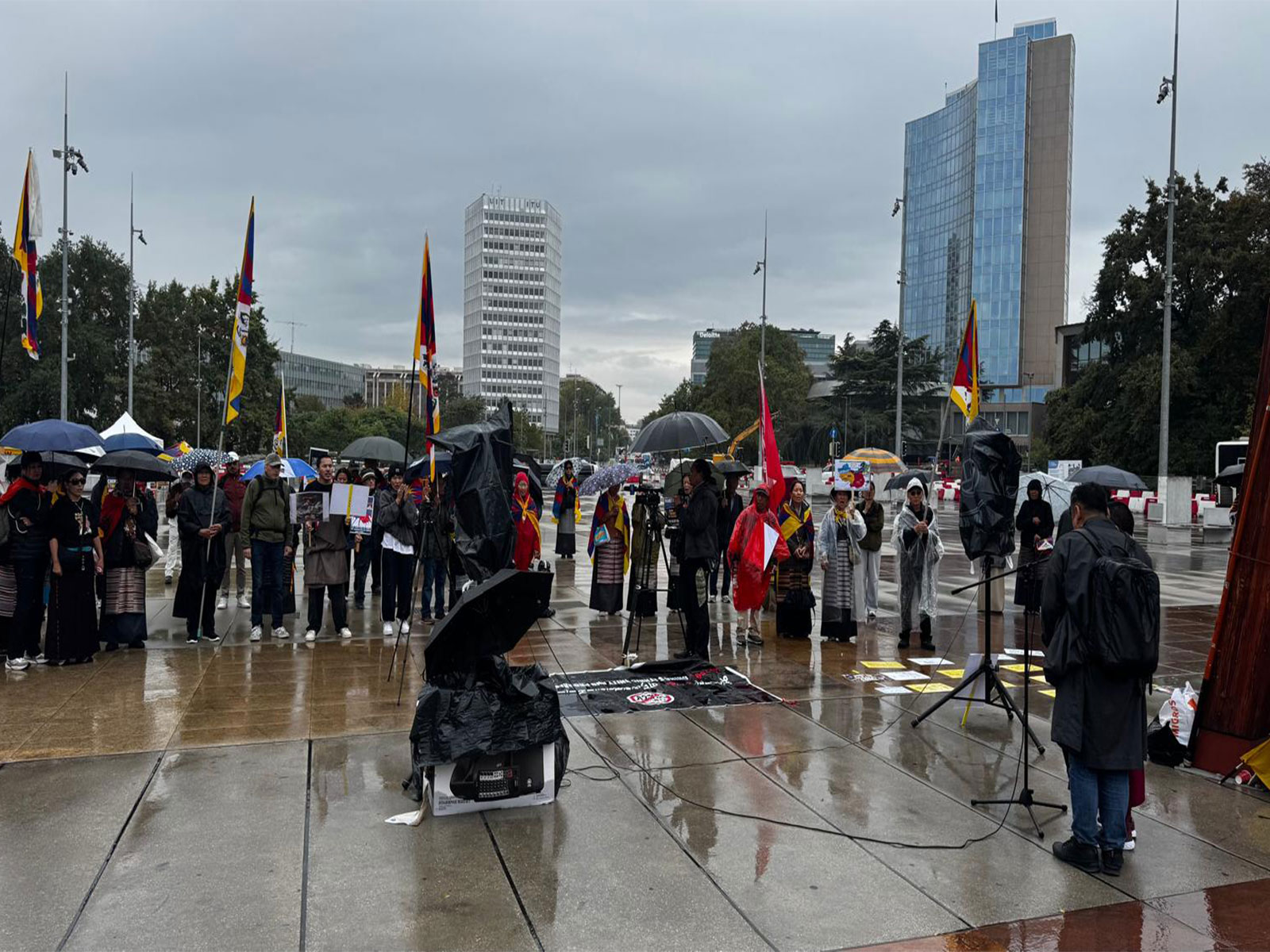
Geneva [Switzerland], October 1 (ANI): Tibetan activists gathered outside the United Nations headquarters in Geneva on Thursday to protest China’s newly implemented Law on Promoting Ethnic Unity and Progress, raising concerns over its impact on Tibetan language, culture, religion and identity.
The demonstration was held during the 63rd session of the UN Human Rights Council, with activists and members of Tibetan communities from several European countries calling for greater international attention to the situation in Tibet.
Thinlay Chukki, Representative of the Dalai Lama for Central and Eastern Europe, alleged that more than one million Tibetan children were being subjected to residential schooling and claimed they were being deprived of opportunities to practise their religion, learn their language and participate in cultural activities.
“More than 1 million Tibetan children are being subjected to forced residential schools,” Chukki said, adding that Tibetans were being separated from their parents. She also alleged that access to information from Tibetan areas remained restricted.
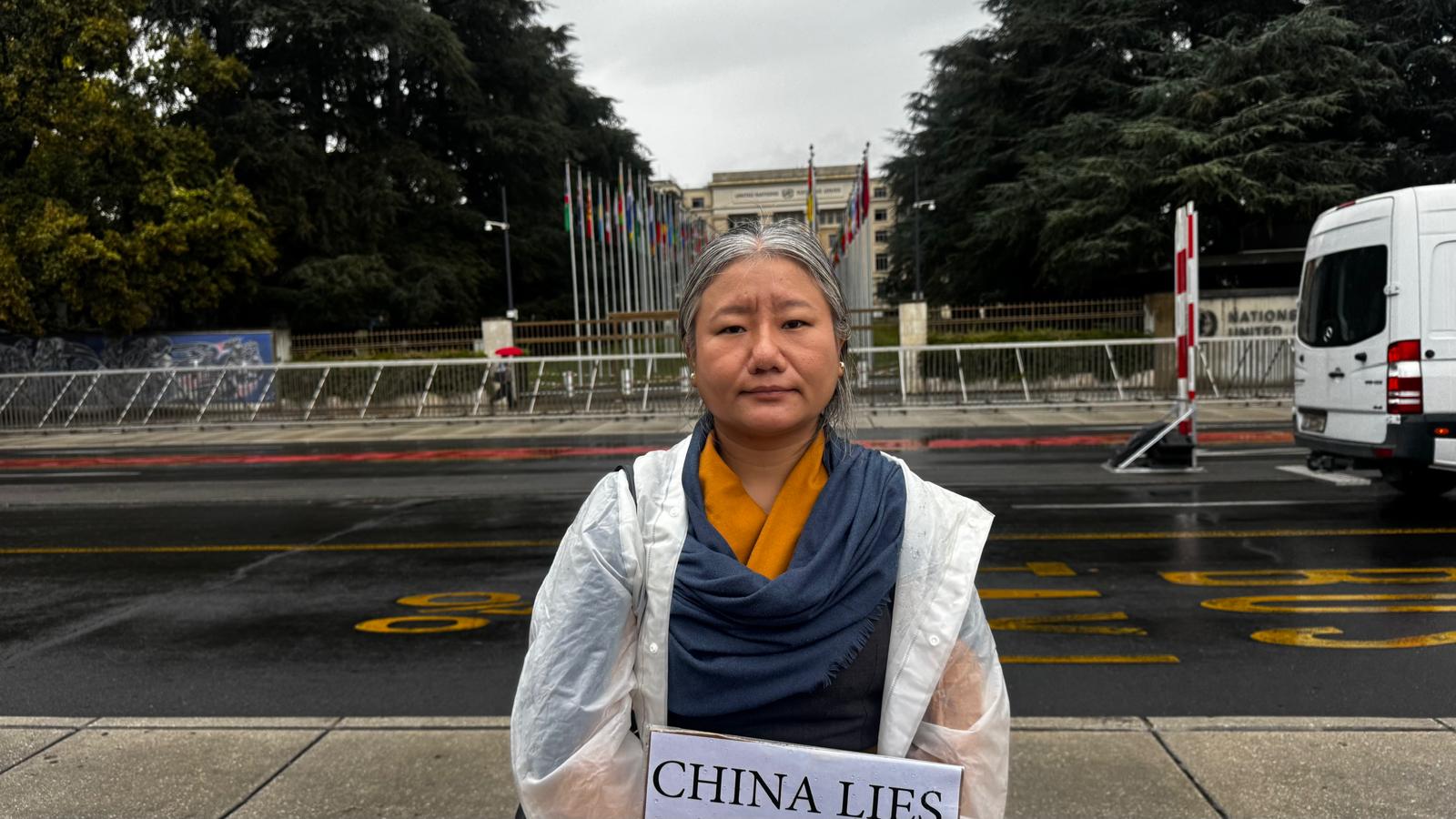
Referring to recent flooding along the Nepal-Tibet border, Chukki said that while the devastation on the Nepal side had been widely reported, there was limited information about the situation on the Tibetan side. She called on the United Nations to speak for Tibetans and address their concerns.
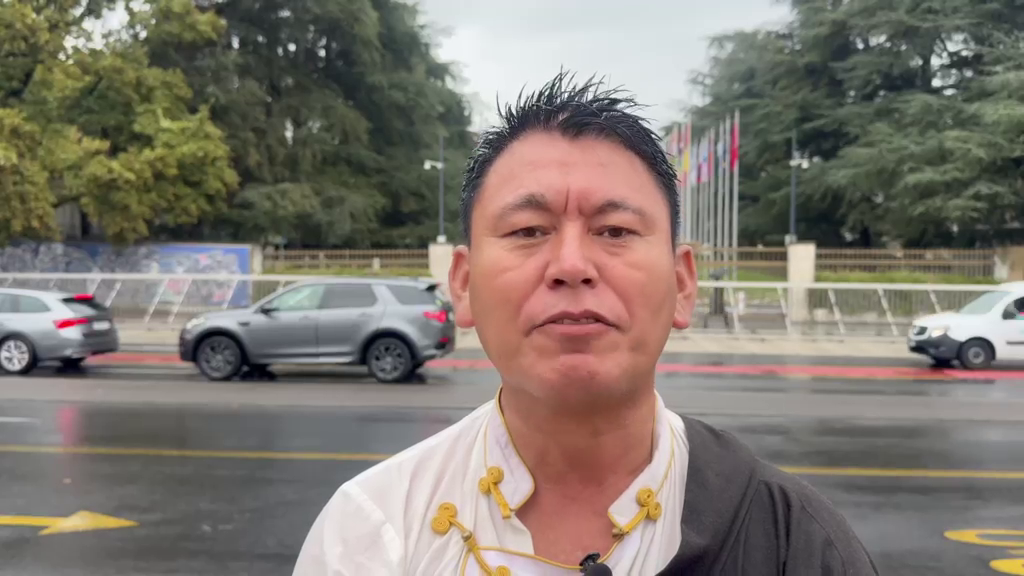
Tibetan activist Tashi Delek said members of the Tibetan community had gathered to protest the Chinese law and submit a petition and appeal letters to the United Nations.
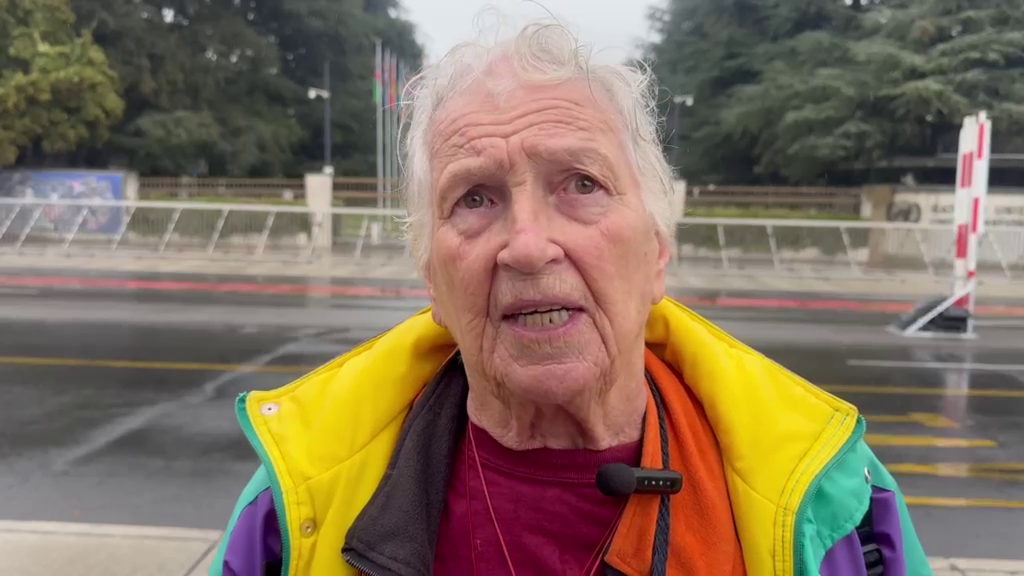
Marcelle Roux, founder of the France Tibet Association, said supporters from France, Germany, Switzerland and other countries had joined the demonstration in solidarity with Tibet.
China’s Law on Promoting Ethnic Unity and Progress was adopted on March 12, 2026, and came into force on July 1. Beijing says the legislation provides a legal framework to promote ethnic unity, common prosperity and a shared sense of community among China’s ethnic groups. Chinese authorities have also said the law protects the rights of ethnic minorities to use and develop their own languages while promoting standard Chinese nationwide.
However, UN Special Procedures have expressed concerns that the law could contribute to a more uniform approach to ethnic relations and potentially affect the linguistic, cultural and religious autonomy of minority communities, including Tibetans.
The law also contains provisions concerning acts carried out outside China that Beijing considers to undermine ethnic unity or create ethnic separatism, a provision Chinese authorities defend as consistent with their sovereignty and legal framework. (ANI)
Related reading