Islamabad [Pakistan], September 30 (ANI): Pakistan’s government is planning to raise additional debt in the current fiscal year as the country’s overall public debt continues to increase, according to a report by Dawn.
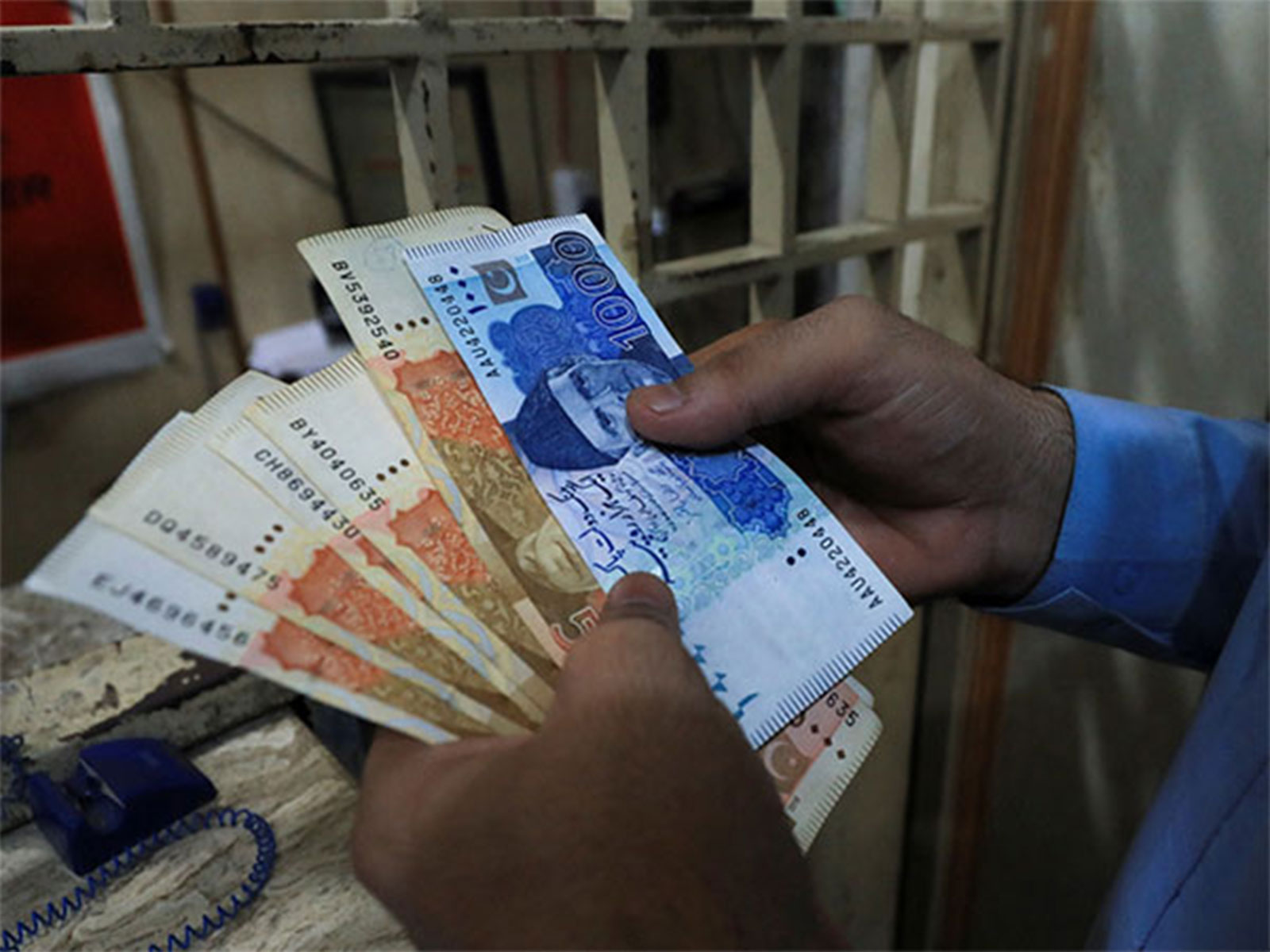
The government has announced plans to borrow around PKR 6.86 trillion during the fiscal year 2026-27 to help finance the budget deficit. The plan comes as Pakistan’s total public debt has risen significantly over the past four years, Dawn reported, citing the Ministry of Finance’s Annual Borrowing Plan 2027.
According to Dawn, the country’s total public debt stood at PKR 86.7 trillion at the end of June 2026, compared with PKR 49.3 trillion in June 2022. The debt includes both domestic and external liabilities.
The government’s borrowing strategy will focus more on medium- and long-term financing instead of relying heavily on short-term treasury bills, the report said. Authorities plan to increase the use of Pakistan Investment Bonds and other longer-term instruments to manage the debt profile.
According to report, the Finance Ministry is also looking at measures to encourage greater participation from institutional and retail investors. These include zero-coupon bonds, National Savings Schemes and other government securities.
For external financing, Pakistan plans to rely on multilateral lenders while also seeking greater access to international capital markets. According to Dawn, the government is targeting more than USD 2 billion through Eurobonds or international sukuk during the fiscal year, depending on market conditions.
The government also plans to refinance some foreign commercial bank loans and encourage investment by overseas Pakistanis through instruments such as Naya Pakistan Certificates.
Dawn reported that authorities intend to remain engaged with international credit rating agencies while continuing measures such as debt buybacks and exchanges.
Pakistan’s rising public debt and growing borrowing requirements highlight mounting pressure on its finances. The government’s plan for additional borrowing comes as debt has climbed sharply, raising concerns over Islamabad’s dependence on domestic and external financing to meet fiscal obligations and sustain government expenditure. (ANI)
Related reading