
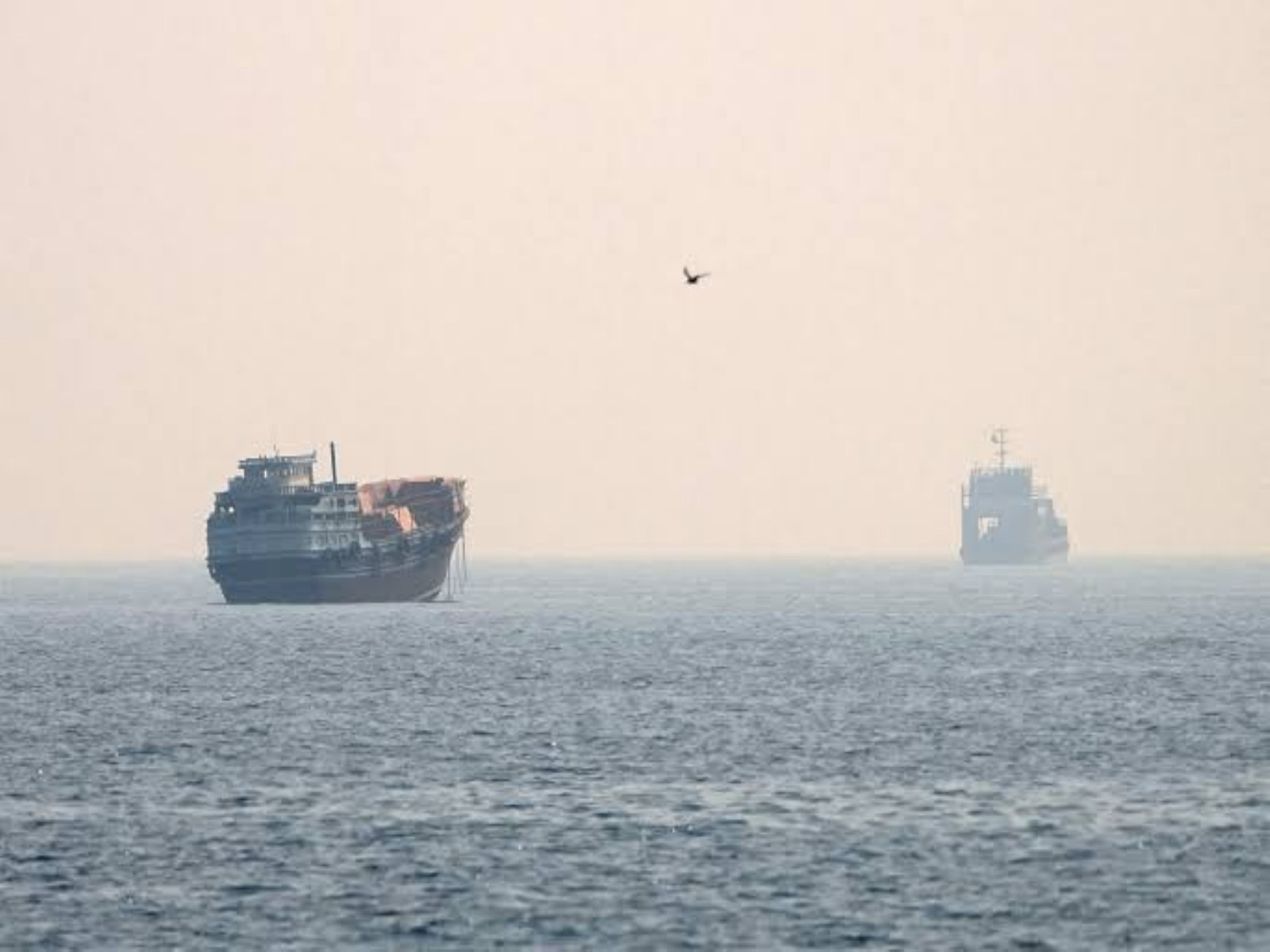
New Delhi [India], September 29 (ANI): Energy security measures already underway or under discussion could offset 35-70 per cent of oil flows that passed through the Strait of Hormuz before the crisis by 2030 if the region faces another major disruption, McKinsey Global Institute said in a report.
However, the report cautioned that the estimate is not a forecast and would depend on whether the projects and measures under discussion are actually implemented.
The measures include speeding up electrification, developing alternative oil and gas supplies, building bypass pipelines, rewiring trade flows, increasing inventories, managing demand and expanding clean energy. McKinsey said the upper end of the range depends on how many projects discussed since the 2026 crisis are eventually realised.
“This offers a real-world illustration that the energy security tool kit can achieve substantial results, but it is not a forecast,” the report said, adding that “Implementation takes time and money and is not a given.”
McKinsey said the current energy system has so far absorbed much of the disruption through temporary buffers, bypass pipelines and changes in global trade flows. Around 21 million barrels per day (MMb/d) of crude and refined products flowed through the Strait in the fourth quarter of 2025.
The report noted that some oil continued to move through the Strait, while inventory adjustments, bypass pipelines, higher supply outside the Gulf and lower demand helped narrow the resulting supply-demand gap.
However, McKinsey warned that existing buffers are under strain. “The energy system has so far proven more resilient than expected,” the report said, while noting that two-thirds of energy trade passes through maritime chokepoints and one-third crosses geopolitical lines.
The report said bypass pipelines could provide the largest share of the potential offset by 2030. However, these measures would not necessarily replace Gulf oil in normal conditions. Instead, they would “create optionality to flows through the Strait itself in the event of a shock” by providing alternative routes and additional capacity.
For the longer term, McKinsey said energy security would require a combination of measures rather than reliance on a single solution. Bringing firms closer to best energy-efficiency practices could cut industrial energy costs by up to USD 600 billion a year, it said.
“These levers illustrate that no single route can fully work on its own. Every option has limitations and ceilings. But there is much room to maneuver,” the report said.
The report further added that, “Energy security comes less from eliminating dependence than from creating layers of optionality and diversification, more sources, more routes, more buffers, and more alternatives for energy itself.” (ANI)
Related reading