New Delhi [India], September 28 (ANI): Ahead of Gandhi Jayanti, People for the Ethical Treatment of Animals India (PETA India) has sent a letter to Union Minister for Information and Broadcasting Ashwini Vaishnaw calling for a nationwide prohibition on billboards, television, online and other advertisements for meat, beginning on October 2.
In the letter, PETA India said the measure would honour Mahatma Gandhi’s commitment to ahimsa while helping animals, human health, and the environment.
The appeal follows devastating floods in India and Nepal and comes shortly after Prime Minister Narendra Modi hosted world leaders at the BRICS Summit with a delicious traditional and international meat-free spread.
According to the release, PETA India’s letter points to European cities already restricting meat advertising over environmental concerns. Amsterdam recently prohibited meat advertisements in public spaces, following Haarlem, while Utrecht and Nijmegen have also adopted restrictions (Nijmegen’s restriction also expands to dairy).
“Every advertisement for meat promotes a product that harms animals, human health, and the environment and requires animals to suffer,” says PETA India Senior Manager of Vegan and Corporate Projects Dr Kiran Ahuja.
“PETA India is requesting that Gandhiji’s legacy of non-violence be honoured by ending meat advertising in the country and encouraging the compassionate, healthy, and sustainable meat-free food traditions India has long shared with the world.”
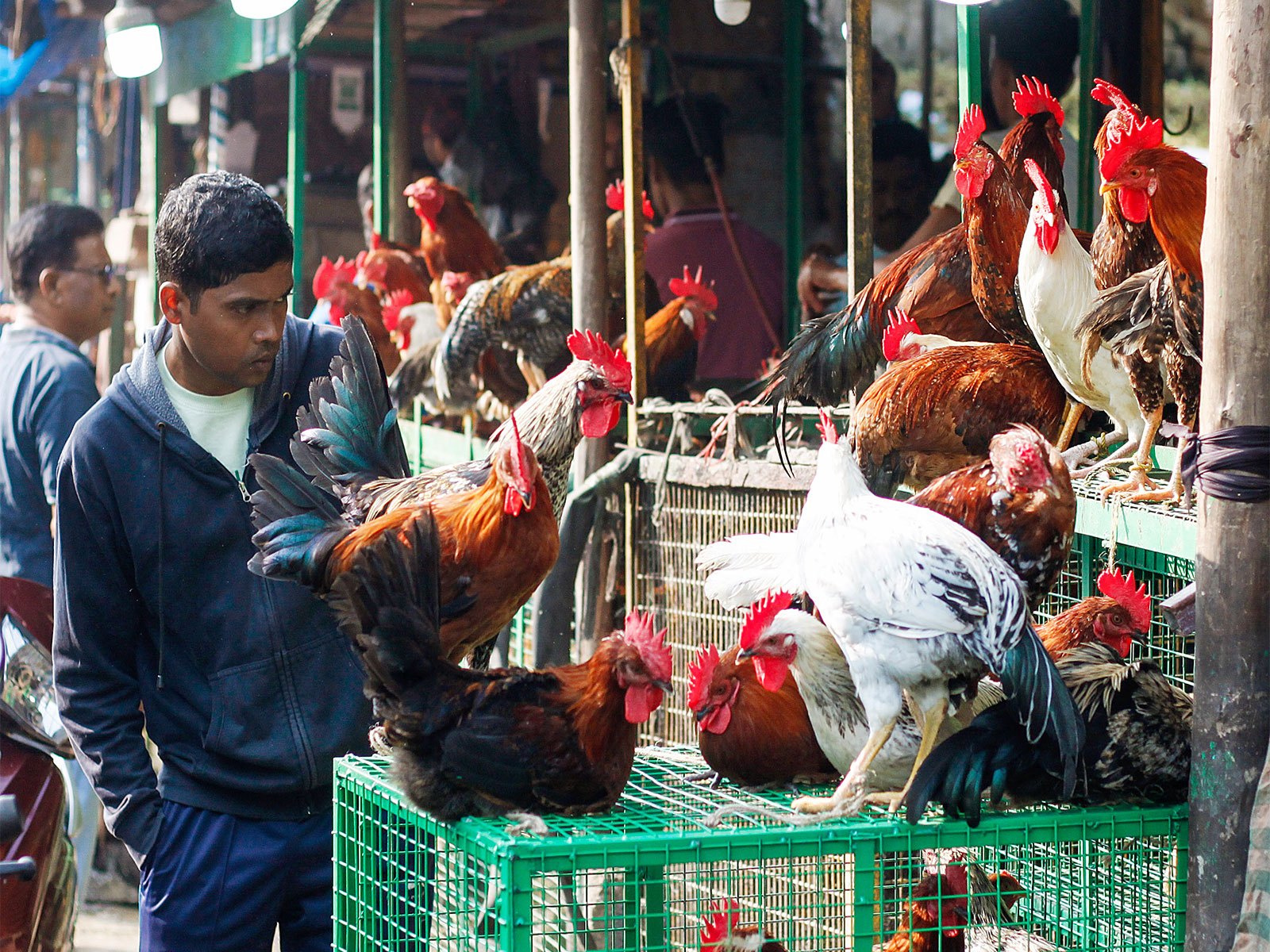
PETA India investigations have documented chickens used for meat having their throats slit while conscious, cows and buffaloes packed so tightly into vehicles during transport that their bones break, pigs stabbed in the chest, goats and sheep arriving dead following suffocating transport, and fish being cut open while still alive. Chickens are intelligent, social individuals, pigs form strong bonds with one another, cows mourn separation from their companions, goats are mischievous and playful, and fish feel pain.
PETA India’s letter also points to the environmental and public-health consequences associated with raising and killing animals for food. Globally, an estimated 73% of antimicrobials are used in animals raised for food, and their overuse contributes to antimicrobial resistance. Projections have warned that antimicrobial resistance could cause around 2 million deaths in India by 2050. Diet-related diseases, including heart disease, diabetes, stroke, certain cancers, and obesity, are also a growing concern in India, with around a quarter of all heart attacks in Indian men occurring in persons under 40, as per the release.
The Academy of Nutrition and Dietetics, the world’s largest organisation of food and nutrition professionals, says “vegetarians and vegans are at reduced risk of certain health conditions, including ischaemic heart disease, type 2 diabetes, hypertension, certain types of cancer, and obesity.”
According to the release, scientists are also warning of the pandemic potential of H5N1 bird flu, which spreads on chicken farms and poultry markets and has historically had a 50% mortality rate in humans. India is home to the world’s largest population of vegetarians, with 10 per cent of Indians identifying as vegan, and the country has a centuries-old tradition of meat-free eating rooted in ahimsa. (ANI)
Related reading