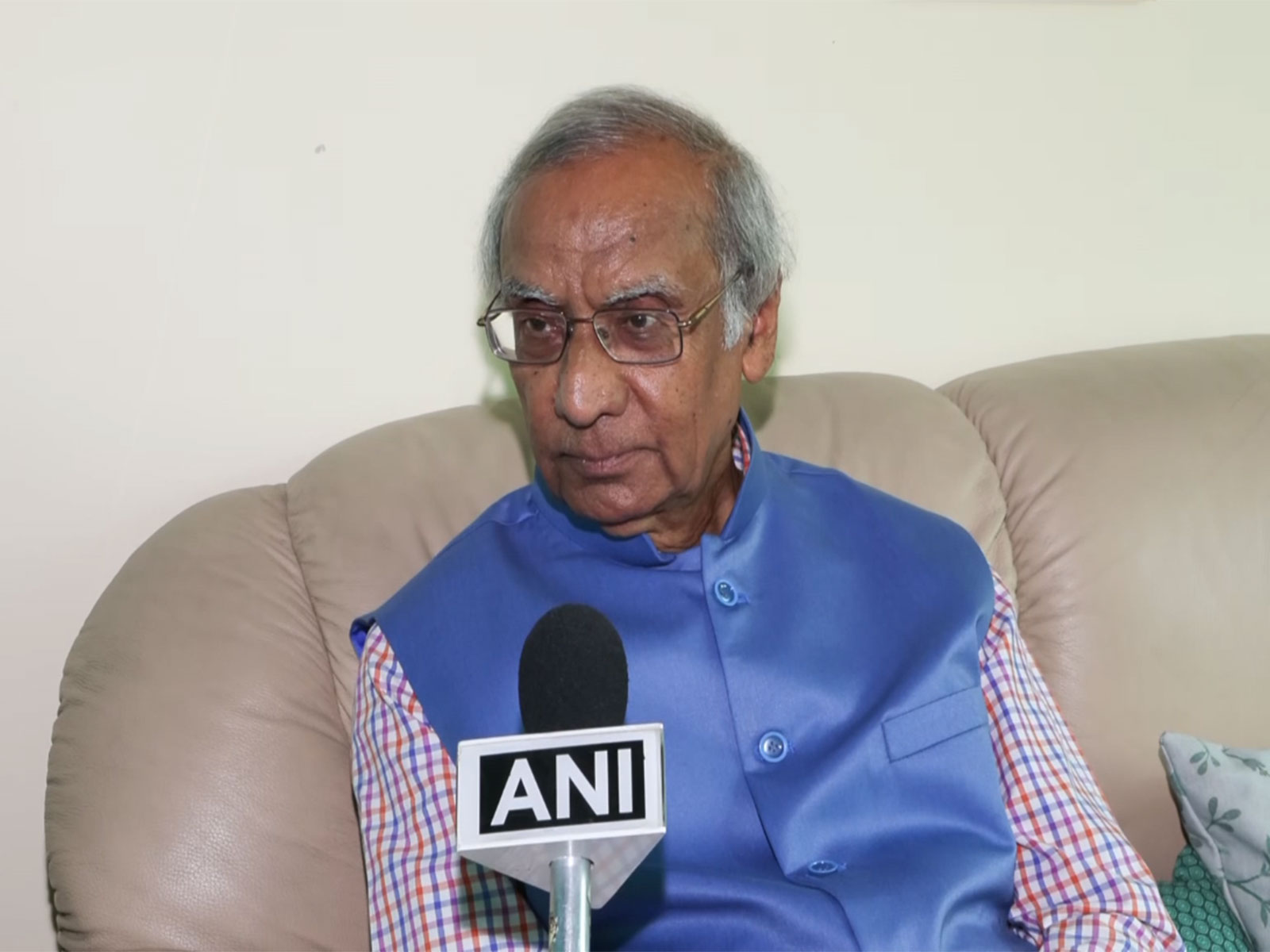
New Delhi [India], May 14 (ANI): India, which assumed the role of BRICS chair for the fourth time, is navigating the most “difficult” and “complex” leadership term in the grouping’s history, according to former career diplomat Rajiv Bhatia.
The former ambassador described India’s current chairship of BRICS bloc as “wearing a crown of thorns” and has the difficult job of maintaining a delicate balance between countries on the opposing sides of the ongoing conflict in West Asia.
“I think we can say with a full sense of responsibility that this is a very important and complex moment in the evolution of BRICS. India has had the privilege to chair and lead this very important grouping on three previous occasions: 2012, 2016, and 2021. This fourth occasion is likely the most difficult chairship that India has handled to date. This is naturally due to the turbulence and tensions in global affairs, and above all, the very complex situation in the Middle East, particularly involving the tensions surrounding the US, Israel, and Iran,” he said.
During his 37-year innings in the Indian Foreign Service (IFS), Bhatia had served as Ambassador to Myanmar and Mexico and as High Commissioner to Kenya, South Africa and Lesotho. He also dealt with a part of South Asia, while posted as Joint Secretary in the Ministry of External Affairs.
Bhatia said that West Asia conflict has now reached a “no war, no peace” scenario.
“The complexity arises because three members of BRICS -Iran, the UAE, and Saudi Arabia-are engaged in this conflict. We have reached a situation since late February where it is a kind of “no war, no peace” scenario. Furthermore, the BRICS foreign ministers are meeting on the very day the US and Chinese presidents are holding their discussions in Beijing. We will have to await the outcome of the foreign ministers’ meeting,” he said.
“The challenge before Indian diplomacy today is to come up with a constructive, holistic formula on which all BRICS members can agree regarding the Middle East, while also advancing the specific BRICS agenda for economic cooperation. That is a significant challenge,” Bhatia added.
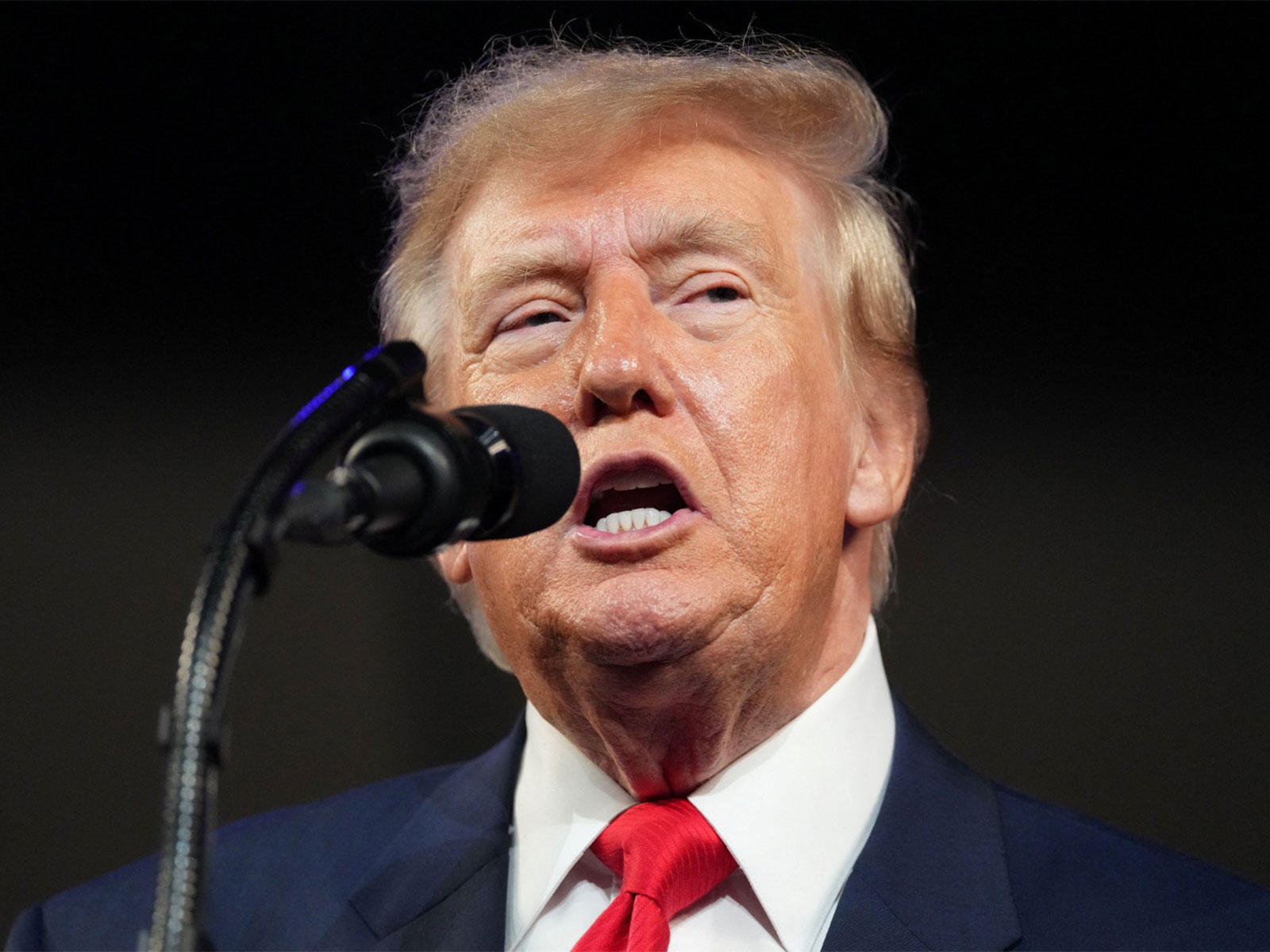
Futher, speaking about the Beijing meeting between US President Donald Trump with his Chinese coutnerpart Xi Jinping, the first visit by a US president to China in nearly a decade, Bhatia said he prefers to see the overall outcome of the talks.
“Regarding the US-China visit, while I am not a specialist in those specific relations, every student of international affairs must follow these developments closely. I prefer to wait to see the overall outcome of the talks in Beijing. Reports indicate that President Xi Jinping is highlighting the crucial importance of Taiwan. It seems to me that Beijing is putting a lot of pressure on America, perhaps feeling the American president is in a relatively vulnerable position. Had the US asserted itself more completely in other global conflicts, the outcome might have been different,” he said.
Bhatia said that there appears to be a mutuality of interest between the US and China to seek some limited accommodation.
“We should wait for the final documents to emerge, but there appears to be a mutuality of interest between the US and China to seek some limited accommodation. This would allow them to manage their rivalry, competition, and differences more effectively,” he said.
A State banquet was hosted today at the Great Hall of the People in Beijing by Chinese President for Trump and his delegation. It celebrated the “close and historic” bonds shared between the two countries.
At the dinner, Trump praised talks held earlier today between the two nations as “extremely positive”. He also invited Xi and his wife, Peng Liyuan, to visit the White House in September this year.
The US called the meeting “highly productive” while Trump called it “the biggest summit ever” and promised, “a fantastic future together.”
The White House said that both leaders have agreed to establish a new “Board of Trade” – (ANI)
Related reading