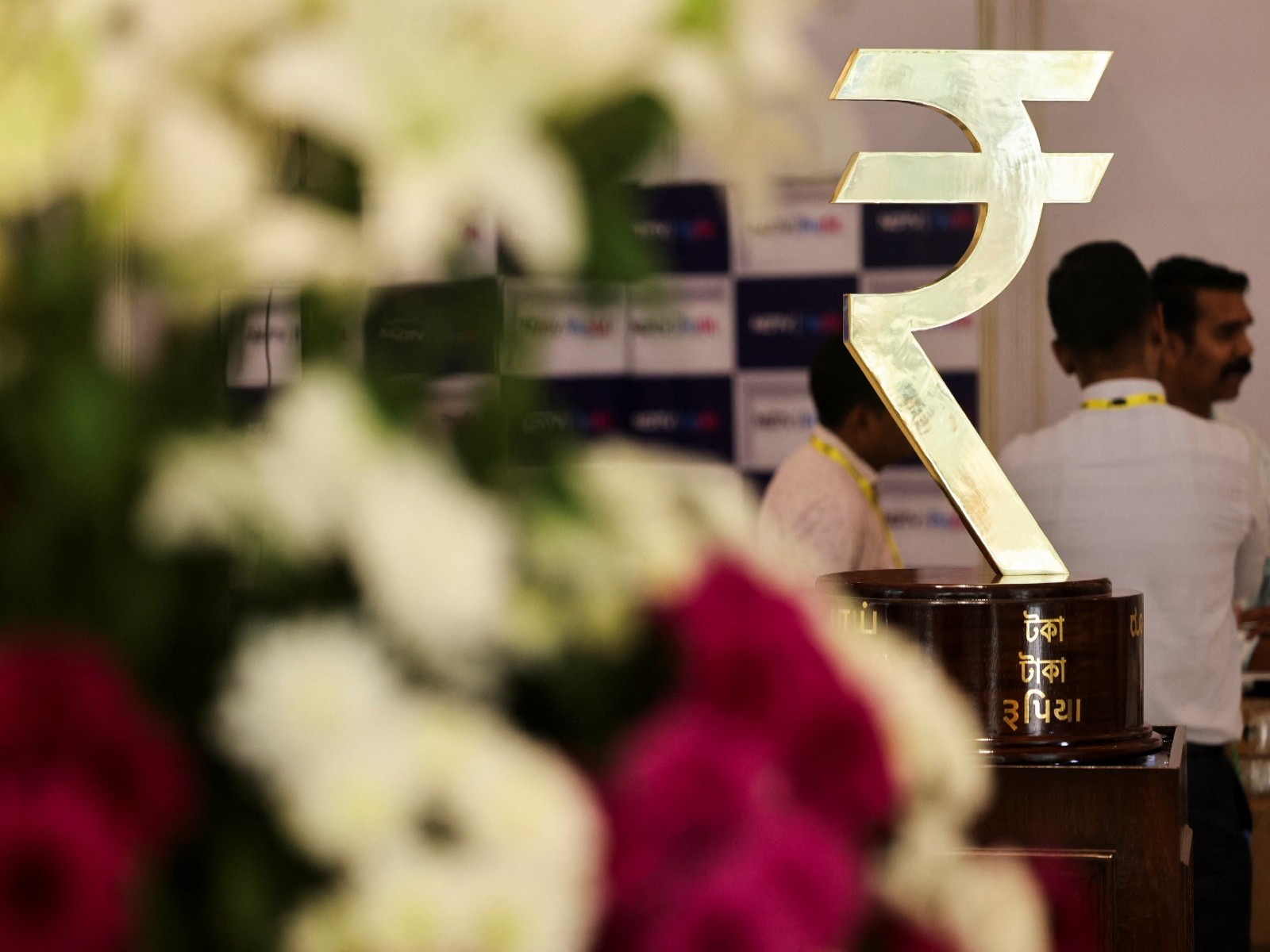
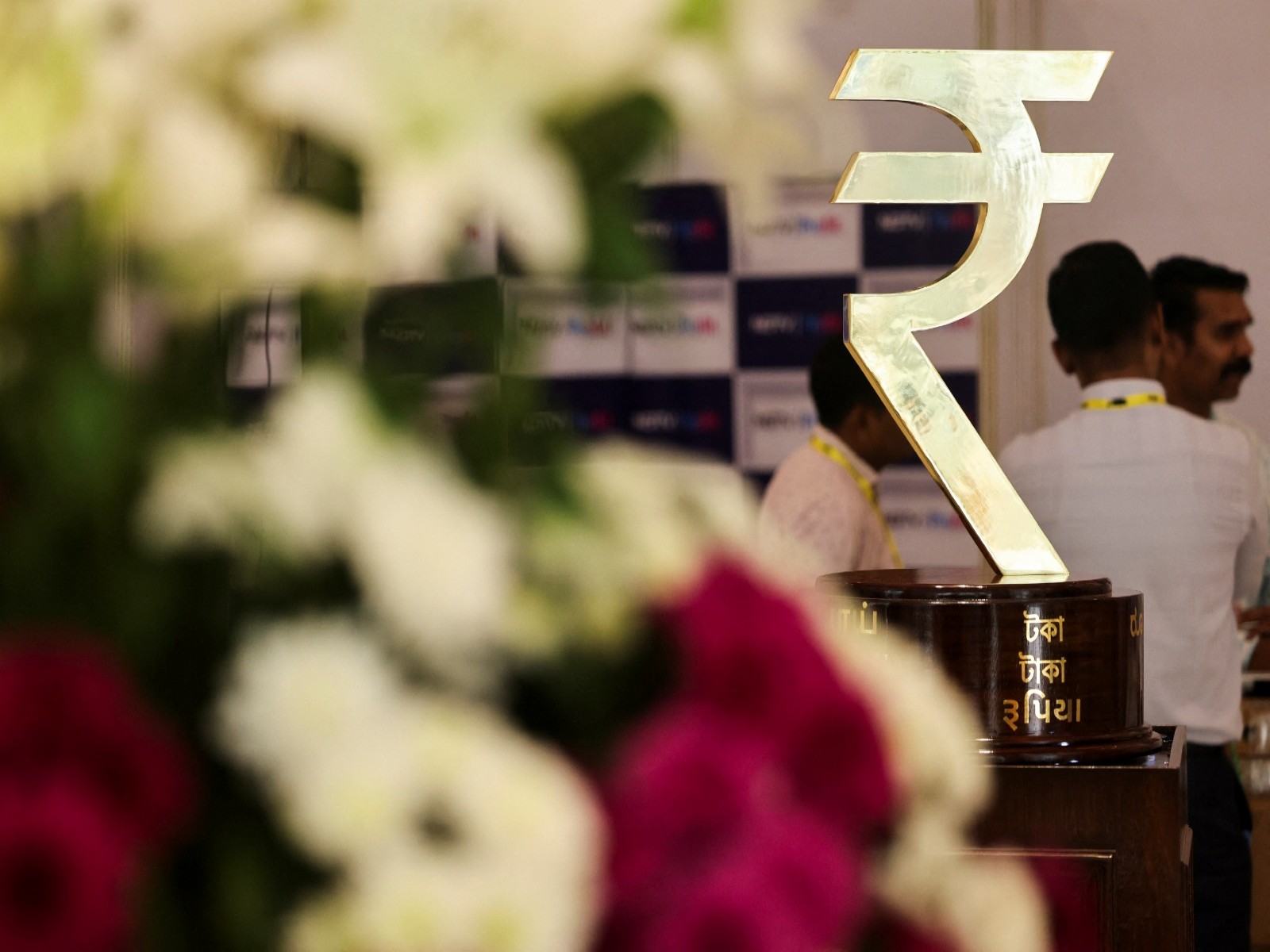
New Delhi [India], May 14 (ANI): The Indian rupee could face further depreciation if the West Asia conflict continues for a prolonged period, with higher crude oil prices likely to keep pressure on India’s economy and external balances, according to an ICICI Bank research report.
The report said that while the temporary truce between Iran and the US has brought some stability to currency markets, uncertainty over a final resolution remains high.
“We reiterate that until a resolution to the conflict is reached, risk aversion flows supporting the global USD will likely remain in place,” the ICICI Bank report said.
The report added that rising crude oil prices are a major concern for India because the country imports most of its oil requirements. Higher oil prices increase import costs, widen the trade deficit and put pressure on the rupee.
According to the report, the USD/INR pair is expected to trade in the 93.50-95.50 range in the near term, with “upside risks to these projections” if geopolitical tensions intensify further.
The report noted that the blockade of the Strait of Hormuz has kept energy prices elevated, which has strengthened the US dollar globally while weakening the currencies of oil-importing countries such as India.
“In the case of India, the risks associated with the conflict on growth-inflation dynamics and external sector have remained in place, which has kept the local currency under pressure,” the report said.
The Reserve Bank of India (RBI) had taken several measures to reduce speculative trading in the foreign exchange market, including capping net open positions of banks and restricting certain forward contract activities. The report said these steps helped the rupee recover from its record low levels.
However, the report warned that the impact of those measures has started fading as geopolitical tensions continue.
The report also flagged risks to India’s economic growth and inflation outlook if oil prices remain high for a prolonged period.
“If the war continues for a prolonged period and oil prices remain higher, there is a downside bias for GDP growth projections and an upside bias to inflation estimates,” it said.
On the external sector, the report said higher oil imports and weaker exports to Gulf countries could widen India’s current account deficit, which refers to the gap between the country’s imports and exports of goods and services.
“As per our estimates, for every ~USD 10/bbl. increase in global oil prices, the CAD widens by ~USD 12bn or 0.3% of GDP,” the report said.
The report added that foreign investor outflows have also remained elevated, putting additional pressure on India’s balance of payments and the rupee.
“Overall, we believe that the BoP (Balance of Payments) outlook could continue to remain subdued for a third consecutive year, which implies that the domestic currency is likely to remain under pressure,” the report said.
At the time of filing this report, rupee stood at 95.8 against the dollar, which is at an all-time high. (ANI)
Related reading