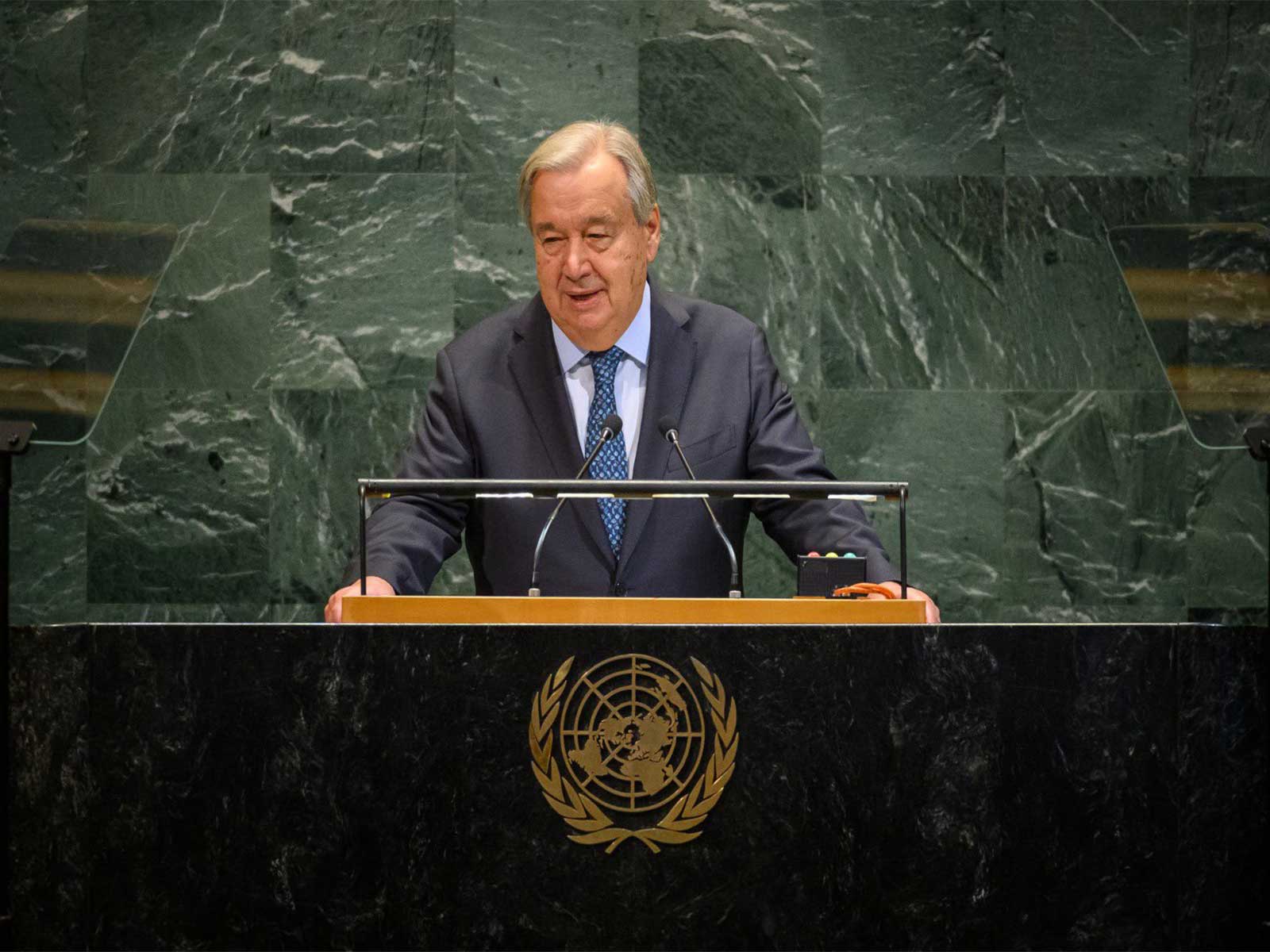
New York [US], September 17 (ANI): United Nations Secretary-General Antonio Guterres has called for stronger international cooperation to ensure the safe and responsible development of artificial intelligence, saying governments cannot afford to ignore concerns raised by those developing increasingly powerful AI systems.
In a post on X, reiterating the same concerns he raised earlier this week, Guterres said that AI holds enormous potential but warned that its rapid development is outpacing the world’s understanding of its risks.
“AI has enormous potential, but a growing number of those building it are warning that development is racing ahead of our understanding of the risks. We can’t afford to ignore their concerns. We need genuine international cooperation & a coordinated global effort to make AI safe, transparent, accountable, with human dignity at the centre,” the post read.
The UN chief’s remarks come amid growing debate within the technology industry over whether the rapid development of increasingly capable AI systems should be slowed or accompanied by stronger safeguards.
Speaking at a press conference at the start of the 81st Session of the UN General Assembly on Wednesday, Guterres said AI could bring significant benefits while warning that its development was moving faster than the world’s understanding of associated risks.
“As we look to threats around the world, let me say a final word about rising concerns regarding the advance of artificial intelligence,” Guterres said.
He highlighted AI’s potential to accelerate sustainable development, improve education and strengthen healthcare and climate resilience, but said concerns raised by people working directly on the technology must be taken seriously.
“Some call for a pause. Many call for guardrails. We cannot afford to ignore concerns that have been raised, especially by those on the frontlines of the development of AI,” he added.
The UN Secretary-General also stressed that governments have a responsibility to protect their citizens from emerging risks associated with AI, while emphasising that national measures alone would not be sufficient.
“Governments must assume their responsibilities. It is the first responsibility of any government to protect its citizens – including from the threats of artificial intelligence. National action is essential.
But global coordination is also indispensable,” he said.
The UN Secretary-General argued that AI’s cross-border nature makes international coordination particularly important, while warning that isolated and unevenly implemented voluntary measures would not adequately address the challenges.
His comments come amid calls from some prominent figures in the AI industry for a slower pace of development and stronger safeguards.
The debate intensified following Anthropic CEO Dario Amodei’s public call to slow the pace of AI development, with the discussion subsequently drawing support from figures including OpenAI CEO Sam Altman, Microsoft CEO Satya Nadella and Google’s Demis Hassabis.
The concerns over the matter emerged after Jacob Coxon, a researcher associated with Anthropic, announced that he was leaving the industry, citing concerns that AI companies were moving rapidly to develop systems that could become difficult to control.
Against this backdrop, Guterres said the international community needs mechanisms that allow AI policy to be guided by scientific evidence.
“Through the Independent International Scientific Panel on AI, we have brought together global scientific expertise to ensure that policy is guided by evidence,” he said.
The UN chief also said AI would be a major subject of his discussions with world leaders and indicated that the United Nations would continue examining practical approaches to managing emerging risks.
He also called for a common international framework to determine when increasingly powerful AI systems require additional safeguards.
“We need a shared understanding of how to advance the safe, secure, and responsible development of AI – while identifying when increasingly powerful systems may require stronger safeguards or additional measures to manage potential risks,” he said.
Guterres placed the AI debate within a wider set of global challenges, saying international cooperation was becoming increasingly important as countries confront multiple interconnected threats.
“At a time when the world faces three existential threats – runaway artificial intelligence, the climate crisis, and the intolerable deepening of inequalities – international cooperation is more necessary than ever,” he said.
His remarks add to the growing international debate over how governments and technology companies should balance the potential benefits of rapidly advancing AI with concerns over safety, accountability and the ability to manage increasingly powerful systems. (ANI)
Related reading