PRNewswire
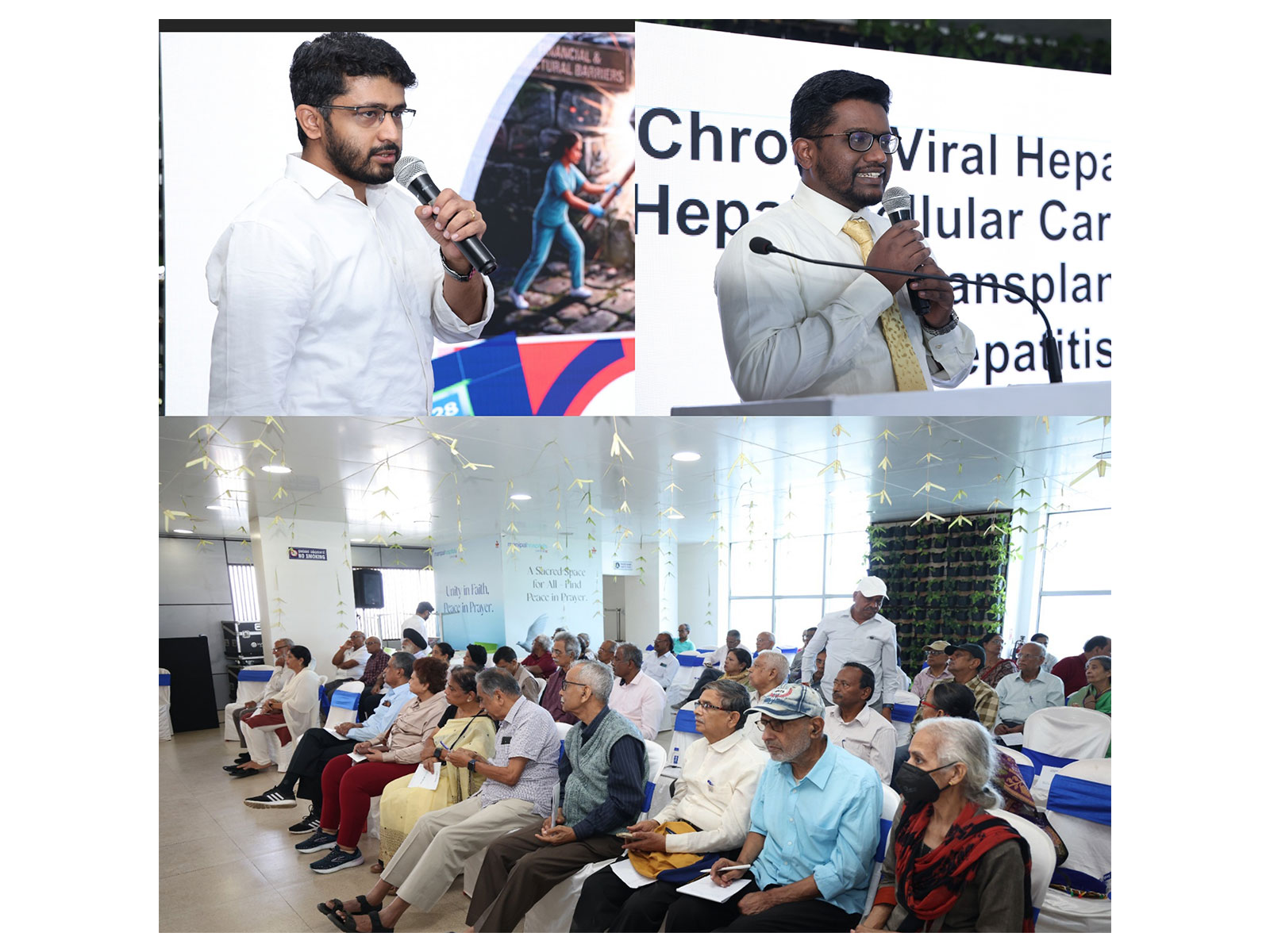
Bengaluru (Karnataka) [India], September 2: With liver disorders increasingly slipping under the radar until symptoms turn serious, Manipal Hospital Sarjapur Road hosted a liver health awareness session for the public, bringing together the Gastroenterology team to shed light on liver disease, from fatty liver and viral hepatitis to cirrhosis, liver cancer and transplantation. Themed ‘Protect Your Liver, Preserve Your Life’, the session focused on how early detection and timely treatment can change outcomes. About 54 participants attended the discussion and gained invaluable insights around the topic.
The session started with the experts explaining about Hepatitis A and E, both transmitted through contaminated food and water, but largely preventable, yet still common causes of acute illness. Hepatitis A resolves on its own, with care involving rest, hydration, and avoiding alcohol or hepatotoxic drugs. Two doses of vaccine 6 months apart, hand hygiene, and safe drinking water offer the best protection. Hepatitis E follows a similar protocol and is usually acute, though it can turn chronic in immunocompromised patients and carries higher mortality risk in pregnant women.
The bigger concern lies with chronic Hepatitis B and C, which can progress silently from persistent inflammation to fibrosis, cirrhosis, and hepatocellular carcinoma if left undiagnosed. Dr. Syed Ahmed, Consultant – Gastroenterology, noted, “Chronic hepatitis B and C often show no symptoms until liver damage is advanced, which is why they are diagnosed late. But the good news is that Hepatitis C is now curable with direct-acting antiviral therapy, with cure rates of over 95%. Hepatitis B can also be effectively controlled with regular antiviral treatment and monitoring. Routine screening, especially for those with known risk factors, can change the course of the disease entirely.”

Talking about the importance of preventive strategies against liver health, Dr. Umesh KJ, Consultant – Medical Gastroenterology, added, “Prevention is still our strongest asset against viral hepatitis. Vaccination against Hepatitis A and B, safe food and water practices, blood screening, and avoiding unsafe injection practices go a long way to protect liver health. Equally important is early testing such as liver function tests, viral markers and periodic ultrasound surveillance, which can catch complications like hepatocellular carcinoma at a stage when they are still treatable.”
The session ended with a reminder for greater awareness around vaccination, safe hygiene practices and timely liver screening to help reduce the long-term burden of both acute and chronic viral hepatitis.
For more information, please visit: https://www.manipalhospitals.com/
(ADVERTORIAL DISCLAIMER: The above press release has been provided by PRNewswire. ANI will not be responsible in any way for the content of the same)
Related reading