Chandigarh (Haryana) [India], August 29 (ANI): In a major initiative towards strengthening urban waste management in Haryana, the state Government has signed Memoranda of Understanding (MoUs) for setting up four Integrated Waste-to-Energy Plants.
To be established in the Hisar, Ambala, Faridabad and Gurugram clusters, these plants will collectively process 5,000 tonnes of waste per day through scientific methods and generate a total of 50 MW of energy once they become operational. The plants are expected to become operational by October 2028.
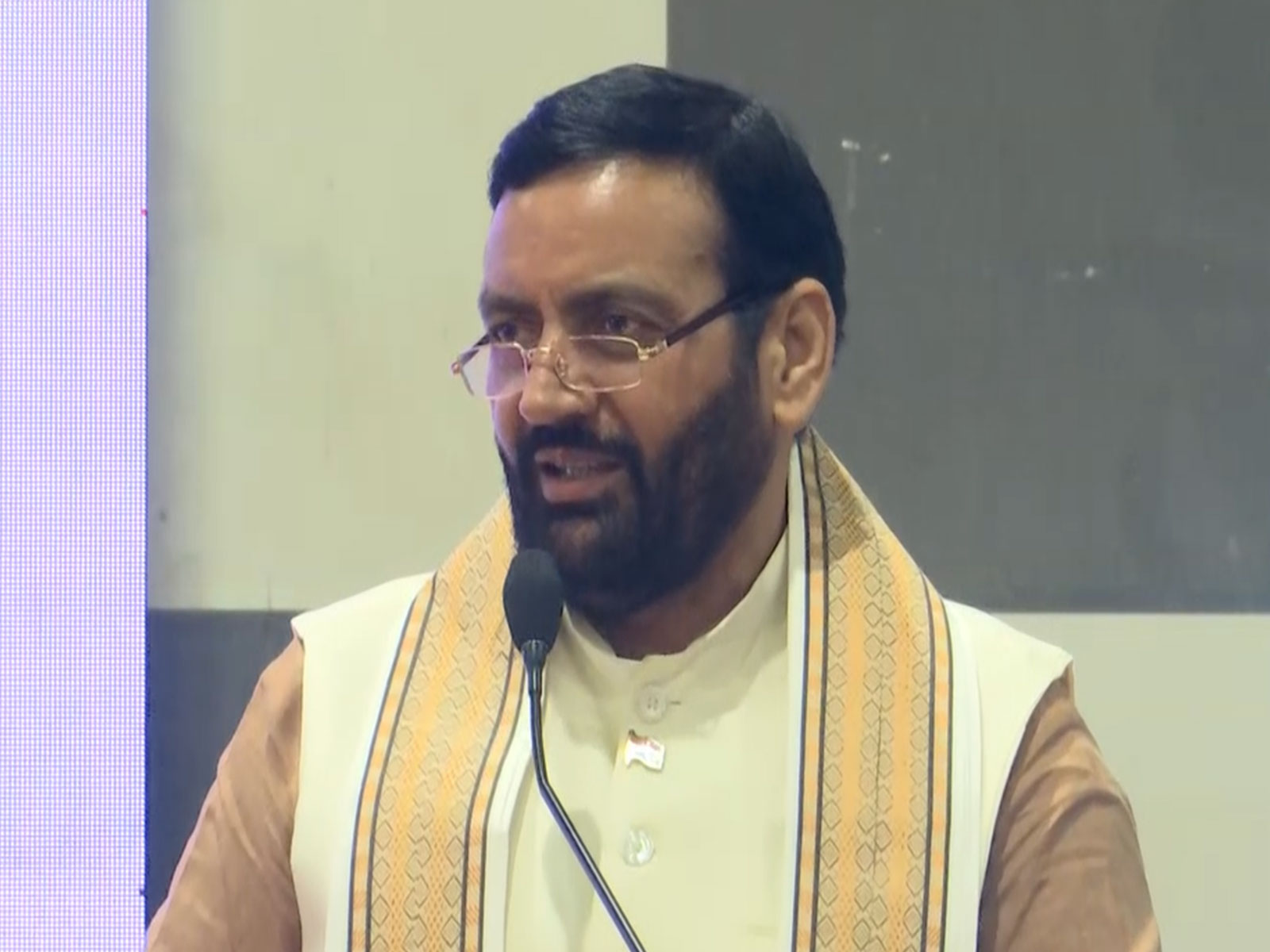
On the occasion of the signing of the MoUs in Nuh, Chief Minister Nayab Singh Saini said that these agreements mark a major step towards making the cities of the state cleaner, healthier and more modern. The plants will be established by Oil Green Energy Limited, a wholly-owned subsidiary of Oil India Limited. He said that this partnership will not only give fresh impetus to Haryana’s urban development but will also bring about a significant transformation in the way waste is managed across the state.
According to a release, the Chief Minister said that with increasing urbanisation, the challenge of proper waste management is also growing steadily. Waste is not merely a problem; with the right technology and scientific systems, it can be converted into energy and useful resources. Translating this approach into action, an important beginning has been made towards setting up four Integrated Waste-to-Energy Plants in the state.
Saini said that the Prime Minister Narendra Modi, while giving the nation the resolve of Swachh Bharat, has also provided a new vision through the concept of ‘Waste to Wealth’. Haryana is moving forward with the same vision.
The State Government is working to ensure that heaps of waste do not accumulate in cities, the practice of open dumping and unscientific disposal of waste is reduced, and scientific waste disposal is ensured through modern technology. This initiative will further strengthen that resolve.
The Chief Minister said that the first Integrated Waste-to-Energy Plant will be established in the Hisar cluster, covering the concerned Urban Local Bodies of Hisar, Hansi, Fatehabad and Jind. The plant will process 500 tonnes of waste per day and is expected to generate a minimum of 5 MW of energy.
The second plant will be established in the Ambala cluster, covering Urban Local Bodies in Ambala, Yamunanagar and Panchkula districts. The plant will process 900 tonnes of waste per day and is expected to generate a minimum of 9 MW of energy.
The third plant will be established in the Faridabad cluster, covering Faridabad district. The plant will process 1,600 tonnes of waste per day and is expected to generate a minimum of 16 MW of energy.
The fourth plant will be established in the Gurugram cluster, covering Gurugram district. It will process 2,000 tonnes of waste per day and is expected to generate a minimum of 20 MW of energy.
The Chief Minister said that when all four plants become operational, they will collectively process 5,000 tonnes of waste per day and generate a total of 50 MW of energy. He expressed confidence that the plants would become operational by October 2028, in accordance with the envisaged timeline. On the one hand, thousands of tonnes of waste will be scientifically processed every day, while on the other, the same waste will be utilised to generate energy. Converting what is currently viewed as waste into energy and useful resources is the essence of the ‘Waste to Wealth’ vision.
Saini said that the distinguishing feature of these plants is not merely their capacity but also the integrated and modern technology that will be adopted. Different types of waste will be appropriately processed according to their nature. Waste will first undergo pre-processing. A Compressed Biogas plant will be provided for producing biogas from wet waste, while dry waste that cannot be reused or recycled will be processed in the Waste-to-Energy plant.
He said that the objective of the entire system is not merely to burn waste, but to process it scientifically and sustainably while minimising waste incineration. The State Government will ensure that there is no compromise on environmental protection and that the highest environmental standards are adhered to at these plants.
The Chief Minister said that the financial arrangement for setting up these plants is a good example of cooperation and partnership between the Central and State Governments. The projects will receive financial assistance under the ‘Urban Challenge Fund’ of the Ministry of Housing and Urban Affairs, Government of India.
He said that 25 per cent of the total capital cost of the projects will be borne by the Central Government. Another 25 per cent will be shared by the State Government and Urban Local Bodies, while the remaining 50 per cent will be invested by Oil Green Energy Limited. Thus, the Central Government, State Government, local bodies and a strong public sector entity will jointly take forward this initiative to make Haryana’s cities cleaner and more modern.
The Chief Minister said that these plants will be established in accordance with the Solid Waste Management Rules, 2026, notified by the Government of India. These rules are also aimed at ensuring scientific management of waste and maximising its utilisation.
Saini said that cleanliness is not the responsibility of the government alone. The government can put systems and facilities in place, establish modern plants and introduce scientific technology, but it is the responsibility of every citizen to segregate waste generated from homes and institutions. It is only when government systems, modern technology and public participation come together that the cleanliness campaign can truly become a people’s movement. (ANI)
Related reading