Dehradun (Uttarakhand) [India], August 27 (ANI): In view of the potential threats posed by glacier lakes in Uttarakhand’s mountainous regions, the state government will further strengthen its monitoring and safety mechanisms, Chief Minister Pushkar Singh Dhami said on Thursday directing authorities to ensure regular and scientific monitoring of glacier lakes, install advanced early warning systems in sensitive areas, following the devastating flash floods in Nepal reportedly triggered by glacial collapse.
As per the latest reports, the death toll in the devastating flash floods in Nepal on Wednesday morning has risen to 359, while 910 people remain missing or out of contact, as authorities intensify search, rescue and relief operations amid a warning of another major flood threat from a newly formed lake upstream of the Lhende River.
The Chief Minister has directed Secretary, Disaster Management and Rehabilitation, Vinod Kumar Suman, to conduct a comprehensive survey and scientific study of sensitive glacier lakes across the state. Regular assessments will be carried out to monitor the condition of the lakes, water levels, changes in their size, the surrounding terrain, and potential risk zones. To ensure timely warnings in the event of a possible threat, the availability of modern sensors, water-level monitoring equipment, communication systems, and other essential technical resources will be ensured, a release said.
The Chief Minister also directed that efforts should not be limited to the installation of early warning systems alone. All necessary safety and risk-mitigation measures should be implemented to reduce the potential impact of disasters arising from glacier lakes. Sensitive areas will be identified and strengthened with safe evacuation routes, mapping of potentially affected zones, robust communication systems, local-level warning mechanisms, and enhanced preparedness for relief and rescue operations.
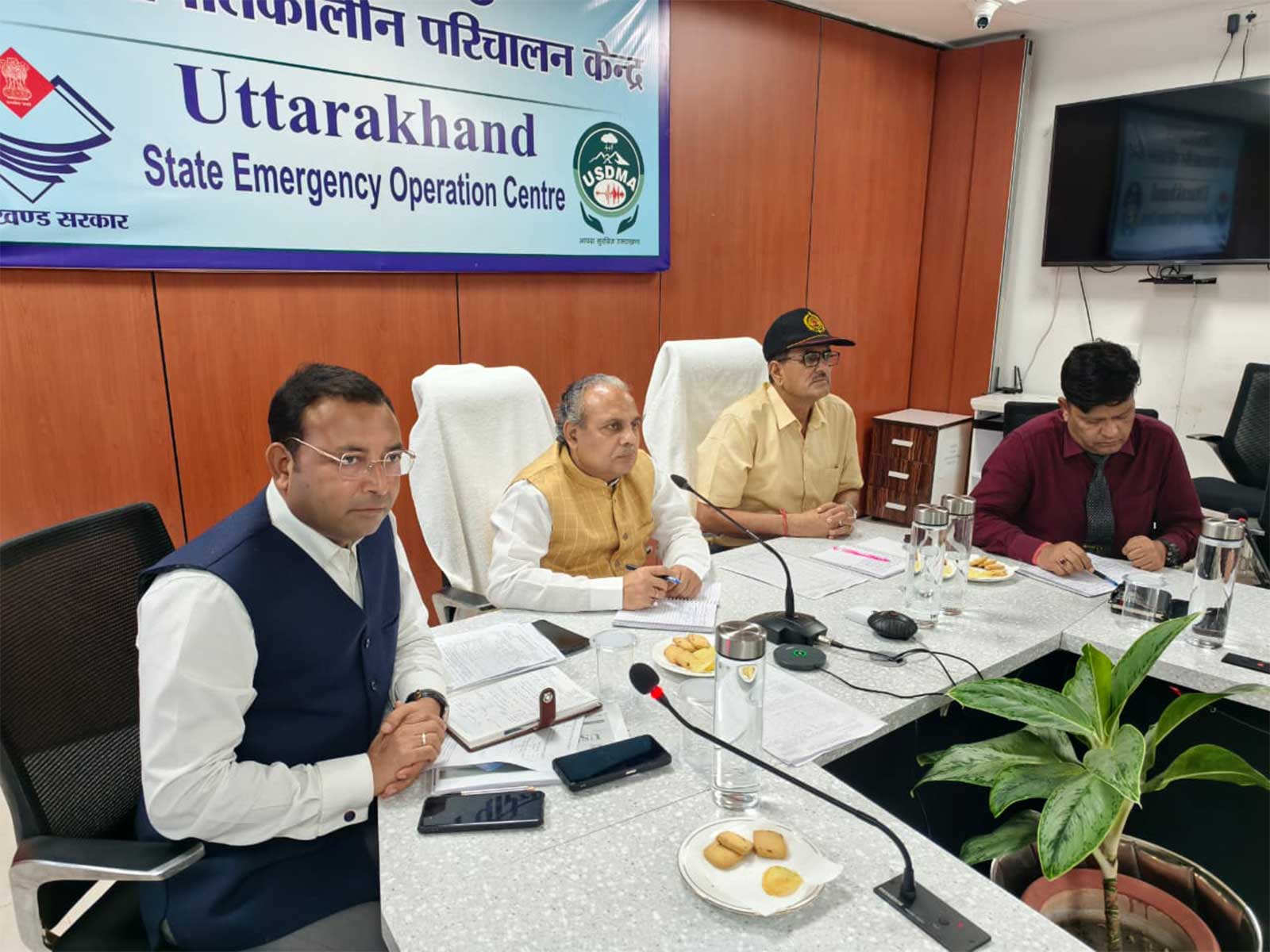
In this regard, following the Chief Minister’s directions, Vice-Chairman of the State Advisory Committee, Disaster Management Department, Vinay Ruhela, and Lt. Col. Raghubir Singh Bhandari (Retd.) reviewed Uttarakhand’s preparedness for dealing with such potential disasters in the aftermath of the recent disaster in Nepal. A review meeting was held with all District Magistrates.
The meeting focused particularly on monitoring glacier lakes, river water levels and sensitive locations, as well as reviewing early warning systems, communication networks, rapid response mechanisms during disasters, and resources available at the local level. District Magistrates were directed to ensure regular monitoring of potential risk areas in their respective districts and immediately report any unusual activity to higher authorities, the release said.
Secretary, Disaster Management and Rehabilitation, Vinod Kumar Suman, said that a total of 13 glacier lakes in Uttarakhand have been identified as sensitive. Surveys of four of these lakes have already been completed, while the remaining sensitive lakes will be surveyed and scientifically studied in a phased manner.
He added that expert teams will soon be sent to survey Saraswati Tal in Chamoli district and Kedartal in Uttarkashi district. The surveys will examine the current condition of the lakes, water levels, potential risk factors, and the possible impact on downstream areas.
The meeting was attended by ACEO Administration Prakash Chandra, ACEO Implementation DIG Rajkumar Negi, JCEO Dinesh Kumar Punetha, among others.
Secretary Suman further said that, along with continuous monitoring of glacier lakes, systems are being developed to ensure that the entire chain of disaster response from early warning to relief and rescue operations functions effectively in the event of a potential threat. This includes continuous monitoring of sensitive glacier lakes, installation of advanced sensors and early warning equipment, real-time data collection systems, increasing the number of monitoring devices as required, developing alternative communication channels for warnings, and strengthening the preparedness of local administrations and concerned departments in potentially affected areas.
Local communities in sensitive regions will also be made aware of potential threats and the safety procedures to be followed during disasters. (ANI)
Related reading