Jaisalmer (Rajasthan) [India], August 26 (ANI): Suspected cases of irregularities worth crores of rupees have come to light in the works executed under the Viksit Bharat – Guarantee for Rozgar and Ajeevika Mission (Gramin) [VB-G RAM G] scheme in the Sam Panchayat Samiti of Rajasthan’s Jaisalmer district, officials said.
Taking advantage of a technical flaw in the central government’s official VB-G RAM G application, the fraud was allegedly carried out in a planned manner using a third-party app.
Upon receiving information regarding the fraud, the Ministry of Rural Development, Government of India, held a video conference with the Rajasthan government on August 21. During the meeting, the Ministry was informed that out of approximately 2.56 lakh cases of photo duplication in workers’ face authentications across the state, Jaisalmer district alone accounted for an overwhelming 2.05 lakh cases.
Following the disclosure of the matter, the state government dispatched a special team to Jaisalmer led by Hemant Swaroop Mathur, Additional Commissioner (First), VB-G RAM G, Jaipur, along with an Executive Engineer (XEN).
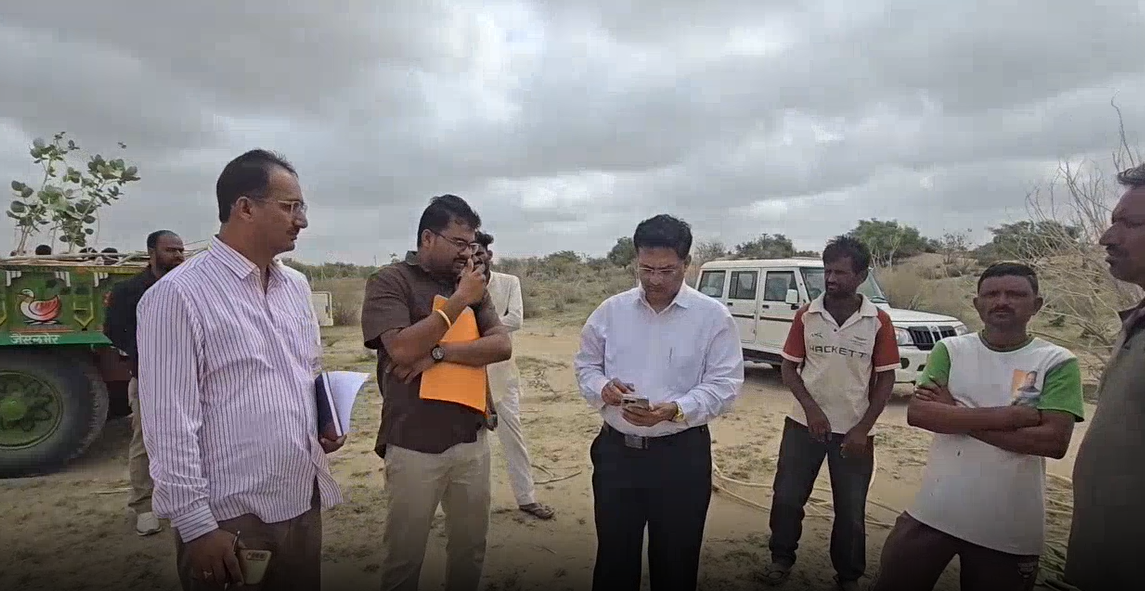
A total of 5 teams–comprising the state team along with four other local officials and experts–conducted field visits to several villages across the Sam Panchayat Samiti area in Jaisalmer district to assess the ground realities of the completed/ongoing works. During the inspections, in most areas, neither workers were found on-site, nor was any work found to have been executed.
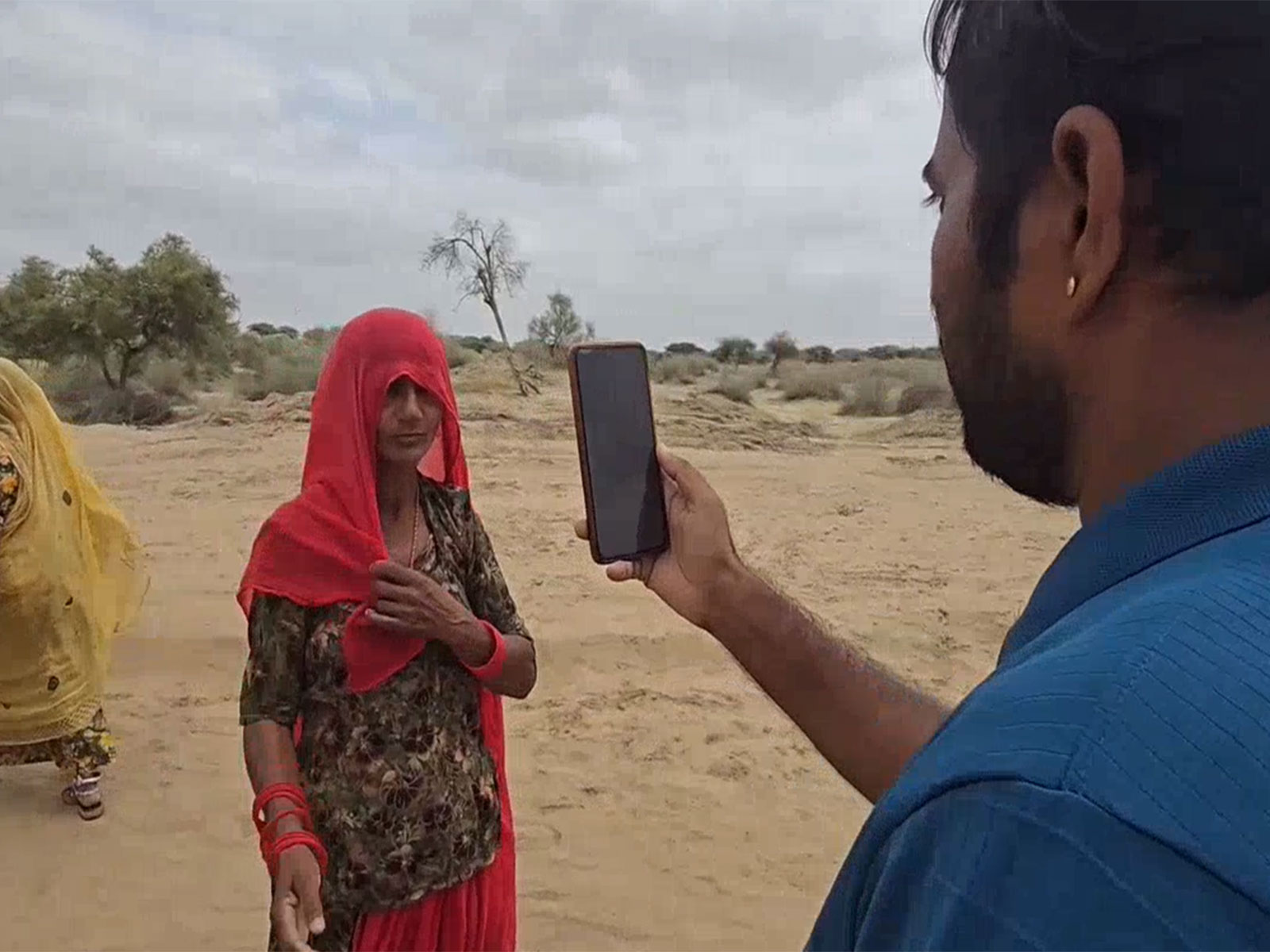
The scheme, which was rolled out in a restructured format starting July 1, witnessed massive irregularities where attendance was reportedly marked by uploading old and fraudulent photographs without the physical presence of labourers, and payments were directly credited to bank accounts.
According to preliminary data, out of the total 2.05 lakh photo duplications in Sam Panchayat Samiti, major cases of face authentication photo duplications were reported from Pochhina (59,715), Myajlar (45,611), Ragwa (26,973), Bairsiyala (23,080), Salkha (11,000), Sipla (15,000), and Kanoi, among others.
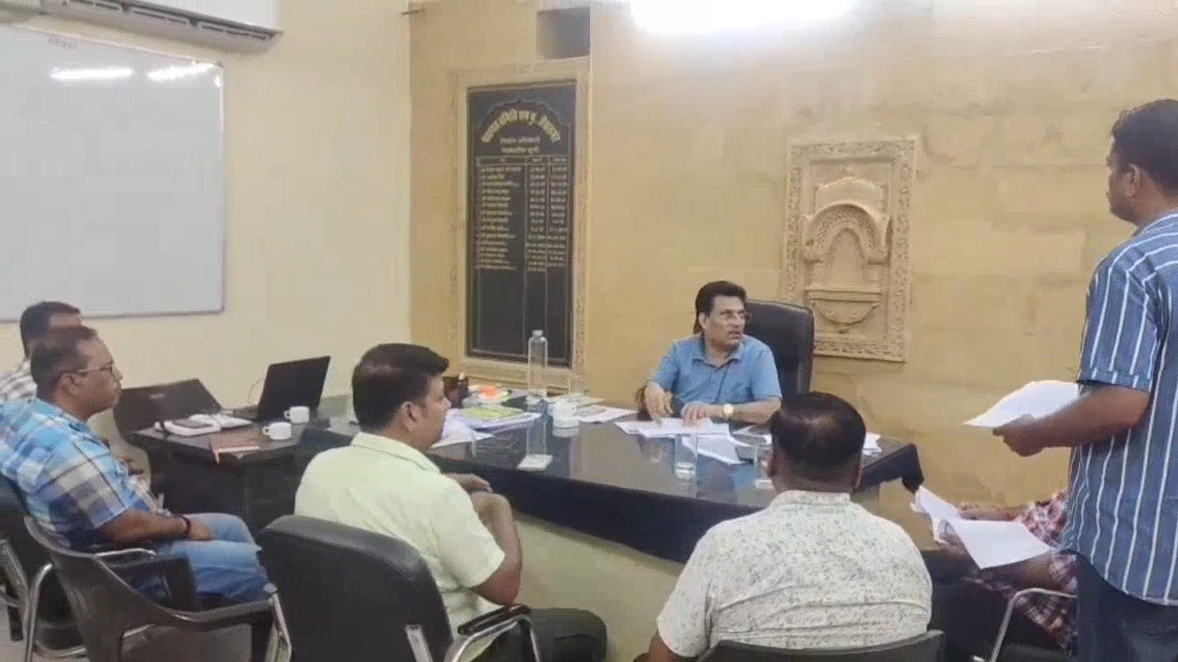
Speaking to ANI, Hemant Swaroop Mathur, Additional Commissioner (First), VB-G RAM G, Jaipur, stated that he, along with 5 teams, visited the ground in Jaisalmer.
“At certain locations, reports emerged that disbursements were made without any actual work being done; on-site, neither labourers nor physical work was found. Currently, the investigation is underway. Concrete details can only be shared after compiling the complete report of the ground inspections conducted across all sites, which will subsequently be submitted to the state government,” he said.
He further stated that ground-level works have been inspected.
“There are cases of duplication, and attendance was marked even where individuals’ photos were missing. A significant number of cases have been rejected. Flaws were identified during the government’s audit of the NMMS mobile application, and the field visit was conducted specifically to investigate those vulnerabilities. It is suspected that a duplicate/cloned mobile application was created to bypass our official app and enter data fraudulently. Reports have also emerged that attendance was being marked remotely from outside the mandatory 50-meter geo-fenced radius. Further details will be provided once the investigation concludes,” Mathur added.
The VB-G RAM G Act came into effect on July 1, 2026. The legislation replaced the 100-day employment guarantee under the MGNREGA with a 125-day guarantee, bringing in the 60:40 share of funds between the Centre and States.
Under the new framework, every rural household whose adult members volunteer to undertake unskilled manual work shall be entitled to a statutory guarantee of 125 days of wage employment in every financial year. Employment shall be provided to workers against their demand for work within the prescribed timeframe, failing which workers shall remain entitled to unemployment allowance in accordance with the provisions of the Act.
The Act places strong emphasis on timely and transparent wage payments. Wages shall continue to be transferred directly into workers’ bank or post office accounts through Direct Benefit Transfer (DBT). Wages are to be paid on a weekly basis or within fifteen days from the closure of the muster roll, failing which workers shall be entitled to delay compensation in accordance with the provisions of the Act. (ANI)
Related reading