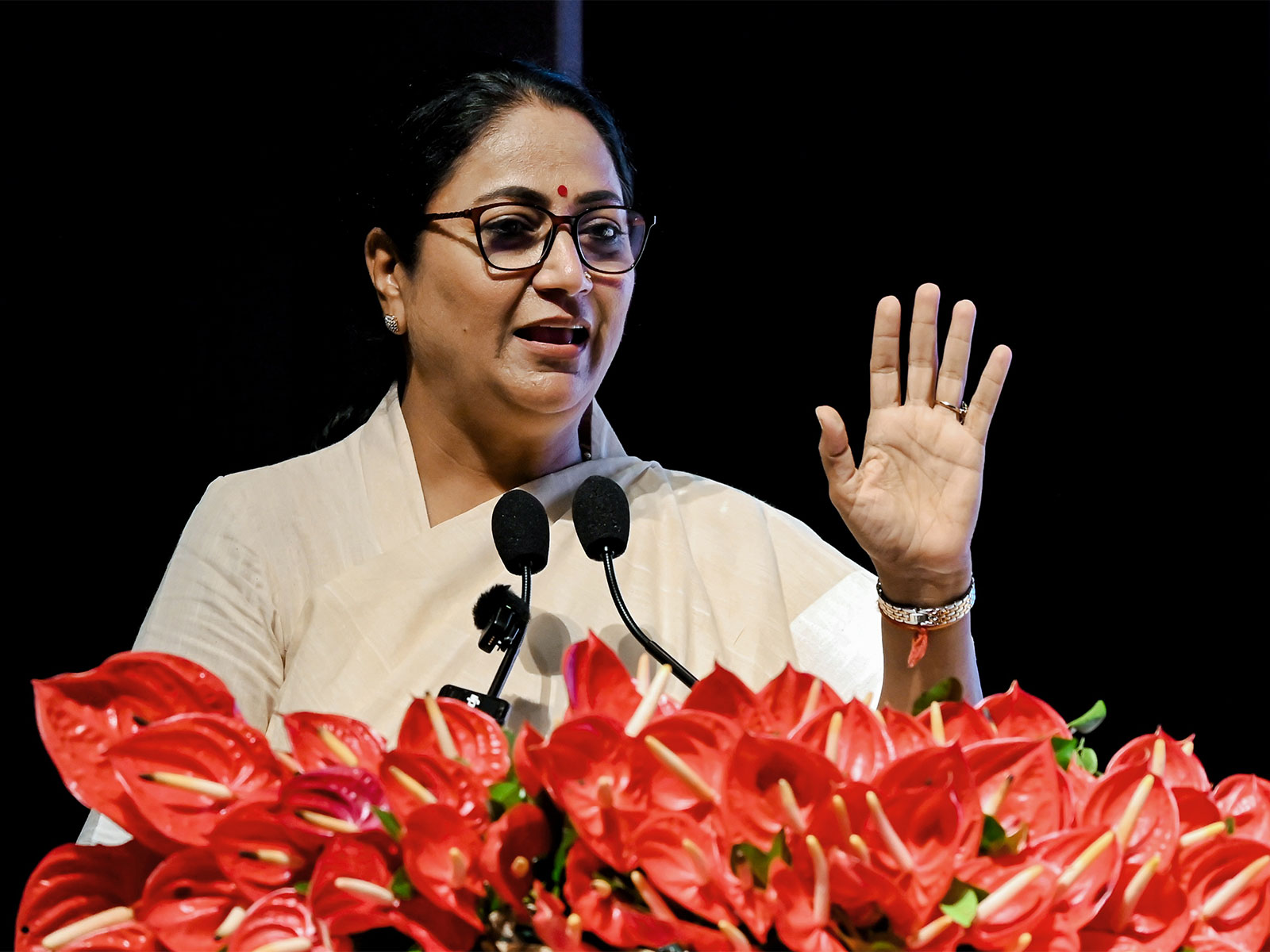
New Delhi [India], August 25 (ANI): The Delhi Lakshmi Yojana will be officially launched on August 26, with Chief Minister Rekha Gupta scheduled to hand over official sanction letters to around 4,000 beneficiary women at a special event at Talkatora Stadium.
As of 12 pm on Tuesday, a total of 9,13,495 registrations had been made under the scheme, while 6,52,223 applications had been finally submitted.
Under the scheme, eligible women will receive financial assistance of Rs 2,500 per month. The monthly amount will be transferred directly to their bank accounts through Direct Benefit Transfer (DBT), with the first instalment scheduled from September 1.
The scheme aims to provide financial support to eligible women and strengthen their financial independence, enabling them to meet everyday needs and make decisions with greater confidence.
Registrations for the Delhi Lakshmi Yojana opened on August 1, after Chief Minister Rekha Gupta launched the registration portal as part of the government’s efforts towards ‘Nari Sashaktikaran.’
The government has allocated Rs 5,100 crore for the scheme. The Chief Minister has described the Delhi Lakshmi Yojana as one of the largest initiatives undertaken in the national capital and said the government had translated its commitment towards women’s empowerment into action.
Under the scheme, the monthly assistance of Rs 2,500 is intended to provide financial support for needs including medicines, education and essential household expenses, while also enabling women to build savings in their own names.
The scheme was earlier known as the Mahila Samriddhi Yojana and was approved by the Delhi Cabinet in March 2025 with an allocation of Rs 5,100 crore.
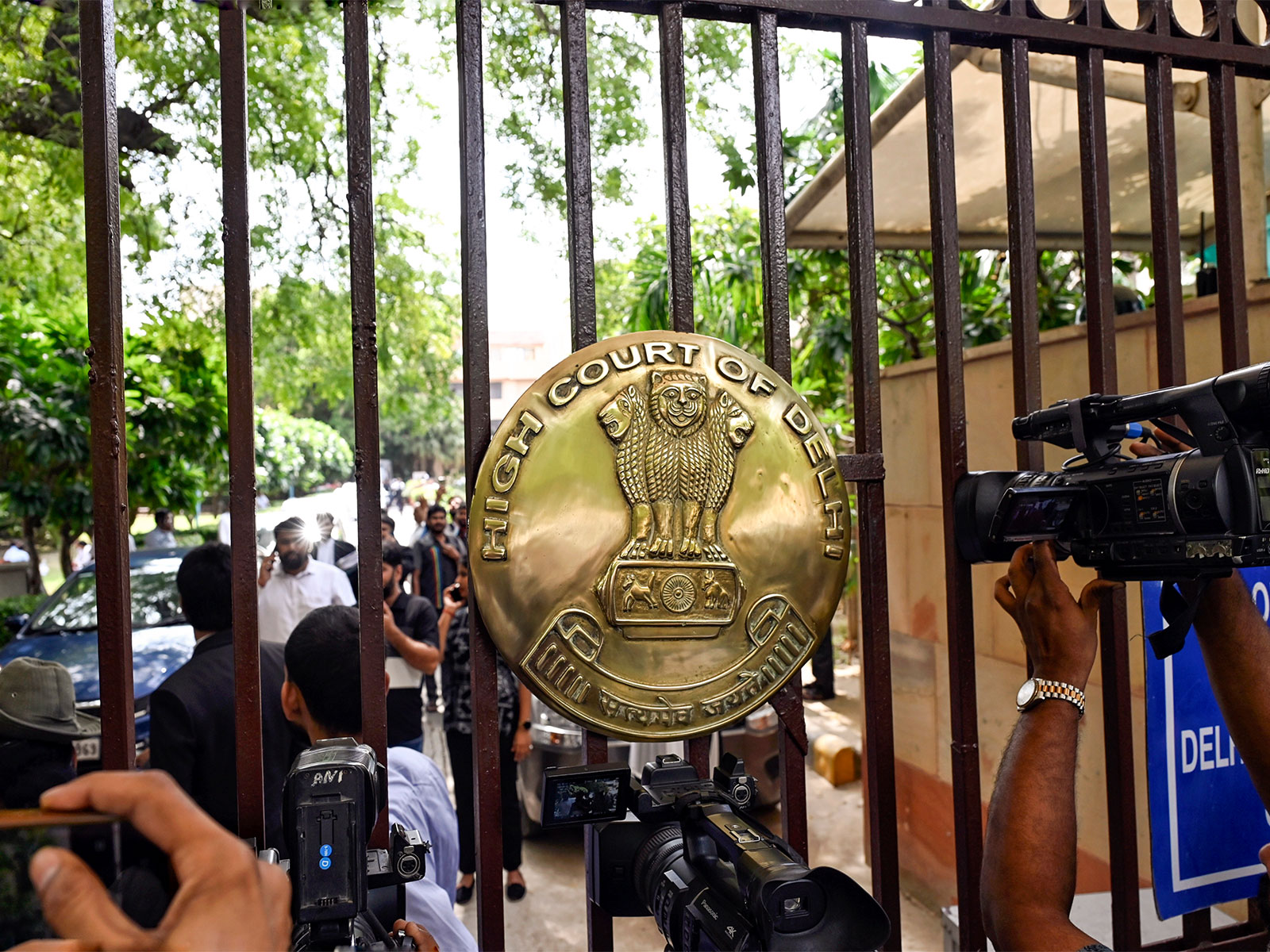
The scheme has also faced legal challenges. Petitioners have claimed that the original Cabinet decision did not provide for a mandatory MP/MLA endorsement and have challenged the requirement as part of the registration process.
They have also challenged other conditions, including 10 years of continuous residence in Delhi, restrictions based on the number of children in a family, electricity consumption, limiting the benefit to the eldest eligible woman in a household and disqualification based on criminal antecedents.
The petitioners have claimed that the mandatory endorsement requirement is causing difficulties for women seeking to register for the scheme. (ANI)
Related reading