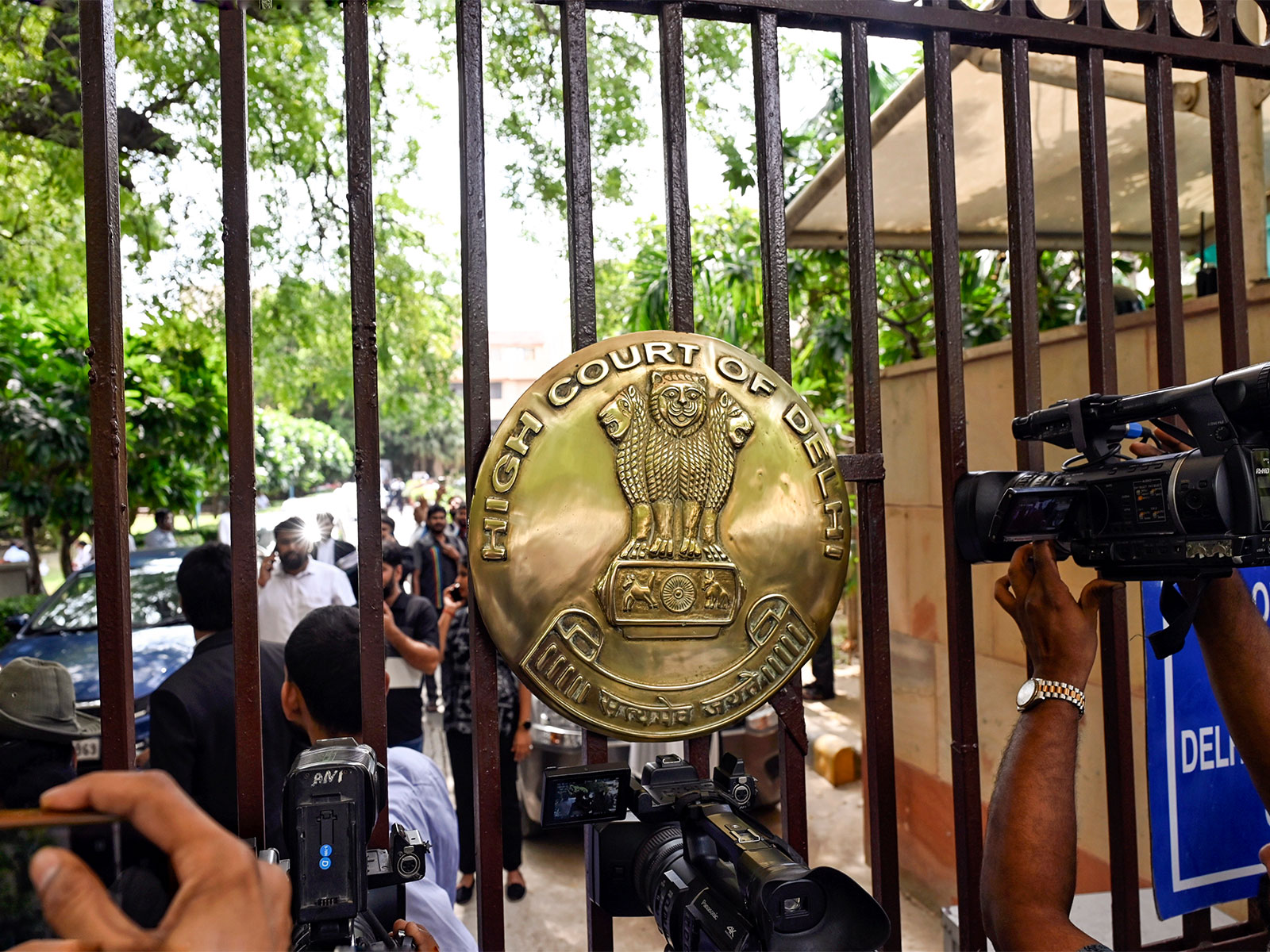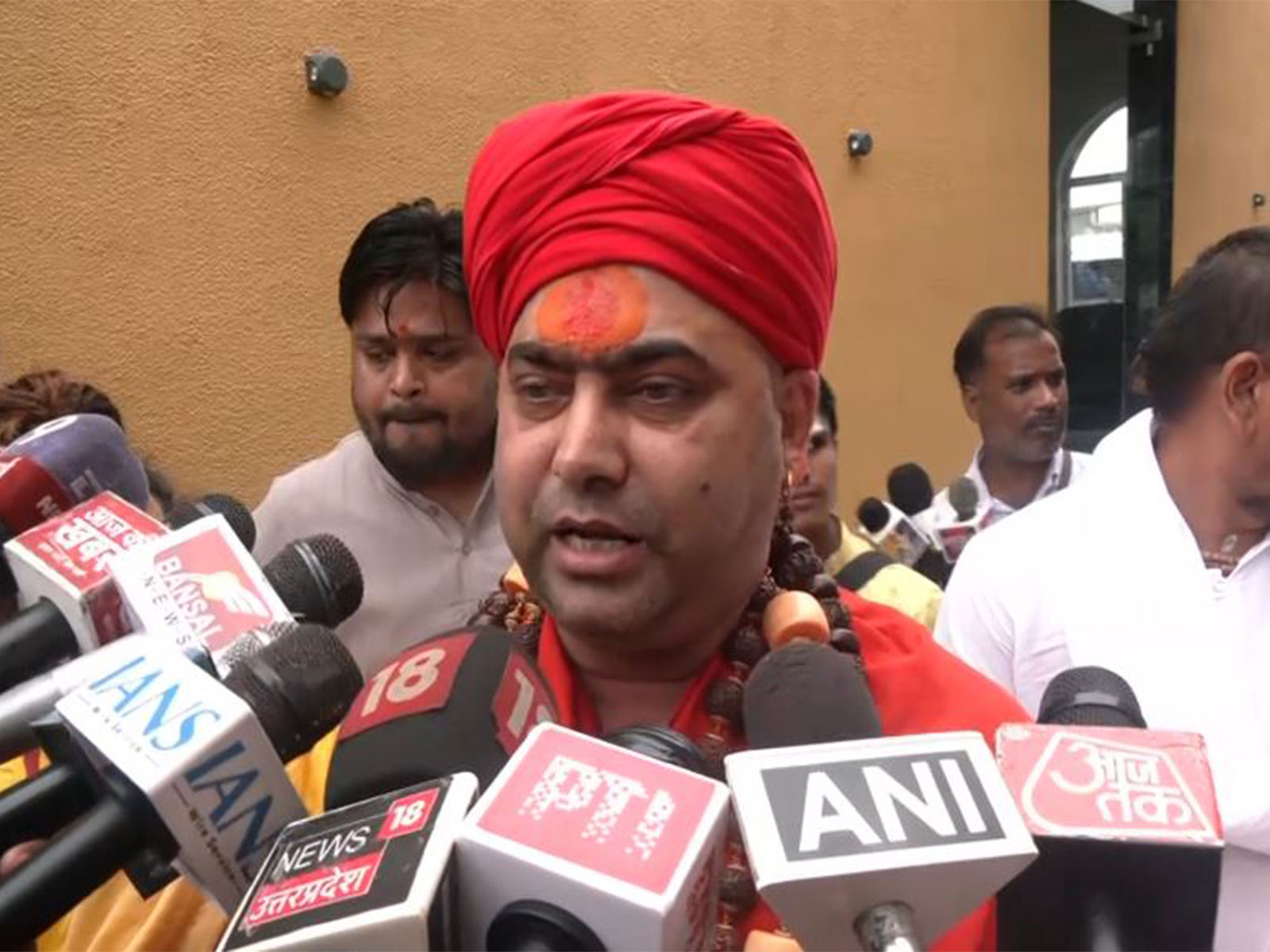
New Delhi [India], August 25 (ANI): The Delhi High Court will hear on Monday a habeas corpus plea filed by Kshatriya Karni Sena president Raj Shekhawat, alleging that he was picked up by Delhi Police while preparing to join a protest against the University Grants Commission’s (UGC) equity regulations and was subsequently confined to a friend’s residence without any written detention order.
The plea was mentioned before a Division Bench of Chief Justice Devendra Kumar Upadhyaya and Justice Tejas Karia by advocate Lokesh Bhardwaj, who told the court that Shekhawat was allegedly taken into custody by police on August 23 while he was proceeding to participate in the protest. The Bench agreed to hear the plea today.
According to the petition, Shekhawat had been leading a campaign since January 2026 seeking withdrawal of the UGC (Promotion of Equity in Higher Education Institutions) Regulations, 2026. It states that he had given prior written intimation to the Station House Officer, Police Station Civil Lines, regarding a programme proposed for August 23, including its venue, timing and an expected gathering of around 450-500 people.
The plea says the police took Shekhawat into custody at around 5.30 pm on August 23 and kept him until around midnight, before releasing him without an arrest memo, endorsement or explanation. From the morning of August 24, police personnel were allegedly deployed outside his friend’s residence in Neb Sarai, and he was not permitted to leave.
The petitioner claims that no prohibitory order had been served on him and that there was no arrest memo, remand order, preventive detention order or written order under the Bharatiya Nagarik Suraksha Sanhita, 2023 or any other law authorising his confinement.
The plea also relies on the Supreme Court’s January 29 order in Mritunjay Tiwari v. Union of India & Anr., concerning the UGC equity regulations. The Supreme Court had prima facie observed that some provisions of the 2026 regulations suffered from ambiguities and that the possibility of their misuse could not be ruled out. It subsequently directed that the regulations be kept in abeyance and that the 2012 regulations continue in force.
The petition contends that Shekhawat’s alleged confinement violates his fundamental rights under Articles 14, 19, 21 and 22 of the Constitution, arguing that his personal liberty cannot be curtailed without authority of law.
Shekhawat has sought a writ of habeas corpus directing the authorities to produce him before the High Court and, if they fail to establish lawful authority for his confinement, release him forthwith. He has also sought preservation and production of records relating to his alleged restraint and directions preventing the authorities from repeating such action except in accordance with law. (ANI)
Related reading