
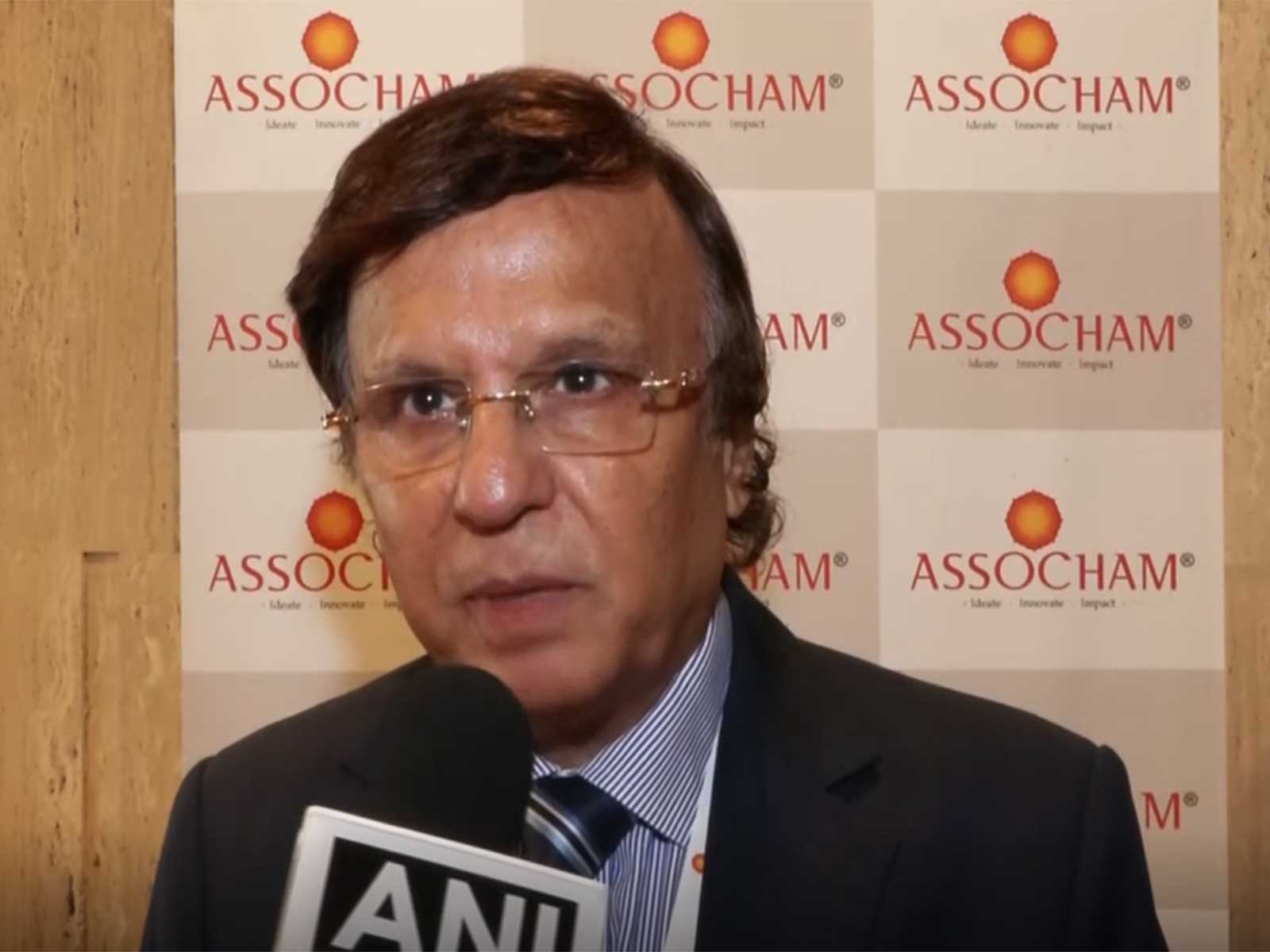
New Delhi [India], August 19 (ANI): India’s international taxation framework is likely to undergo further transformation as evolving court judgments, artificial intelligence and global digitalisation reshape the way taxes are assessed and collected, tax experts Rakesh Nangia, Prashanth Agarwal and G.S. Pannu said in separate interactions with ANI on the sidelines of the 23rd International Taxation Conference organised by ASSOCHAM.
Rakesh Nangia, Chairman of the Task Force on International Taxation at ASSOCHAM, said the Supreme Court’s Tiger Global case has significantly changed the global taxation landscape and businesses should prepare for a new regime of tax enforcement. He cautioned against aggressive tax positions, saying taxpayers and advisors should remain within the boundaries established by judicial precedents.
“Be prepared. There will be a new regime of how the taxes will be levied,” Nangia said, adding that businesses should carefully assess the risks before taking aggressive positions.
He also described AI as a potential game-changer for tax administration, saying technology could transform how tax authorities collect information, identify leakages and improve revenue collection. At the same time, he said India’s tax framework would remain dynamic, with laws and judicial interpretations continuing to evolve.
On digital taxation, Nangia said the rapid expansion of the digital economy requires tax systems to evolve at a similar pace. He noted that India needs to remain ahead of technological changes to effectively tax an increasingly digital global economy.
Prashanth Agarwal, Partner-Tax Technology at PwC, said companies are increasingly examining AI and big-data technologies to transform tax functions, including compliance, business planning and litigation. However, he stressed that adoption would require reskilling, clear use cases, cost-benefit assessment and strong governance frameworks.
G.S. Pannu, former President of the Income Tax Appellate Tribunal, highlighted the importance of faster and clearer resolution of tax disputes for maintaining investor confidence. He said India needs greater uniformity in the application of tax laws and better administrative clarity, while specialised tax institutions could benefit from improved infrastructure and greater use of AI tools.
Experts said tax certainty will increasingly depend on clear policy guidelines, consistent implementation and the ability of the tax administration to keep pace with evolving global business models. (ANI)
Related reading