New York [US], August 18 (ANI): The Rajasthan government has allotted flats to 473 families from nomadic, semi-nomadic and denotified communities in a state-backed housing initiative aimed at providing permanent shelter to families that have historically faced difficulties accessing basic services due to the absence of fixed addresses.
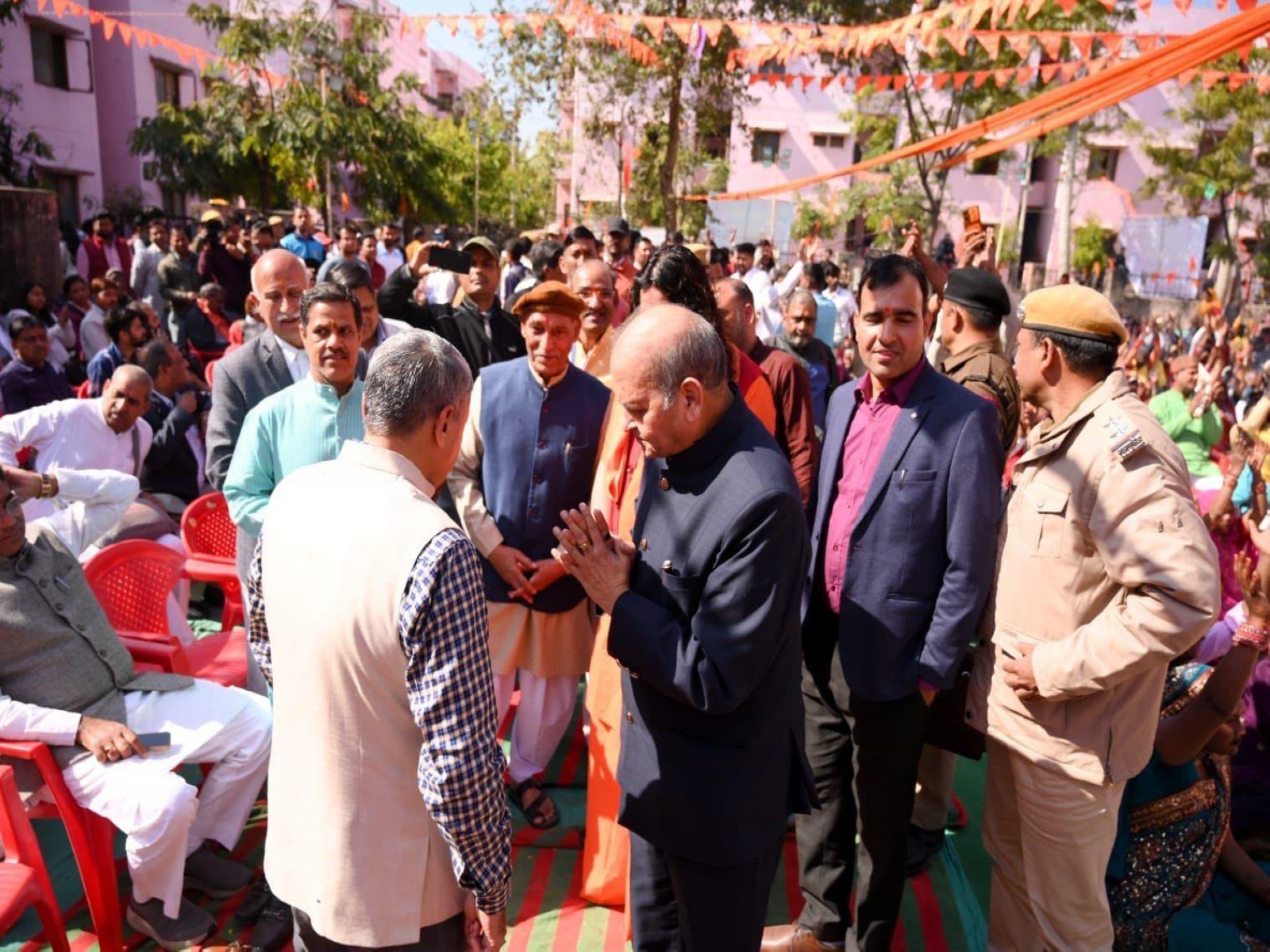
Chief Minister Bhajan Lal Sharma handed over the housing allotments on August 13, providing permanent homes to families from communities that have long faced social and economic marginalisation.
The development comes amid years of grassroots welfare efforts in Rajasthan, including initiatives supported by Indian-American philanthropists and community organisations working on sanitation, livelihoods and education.
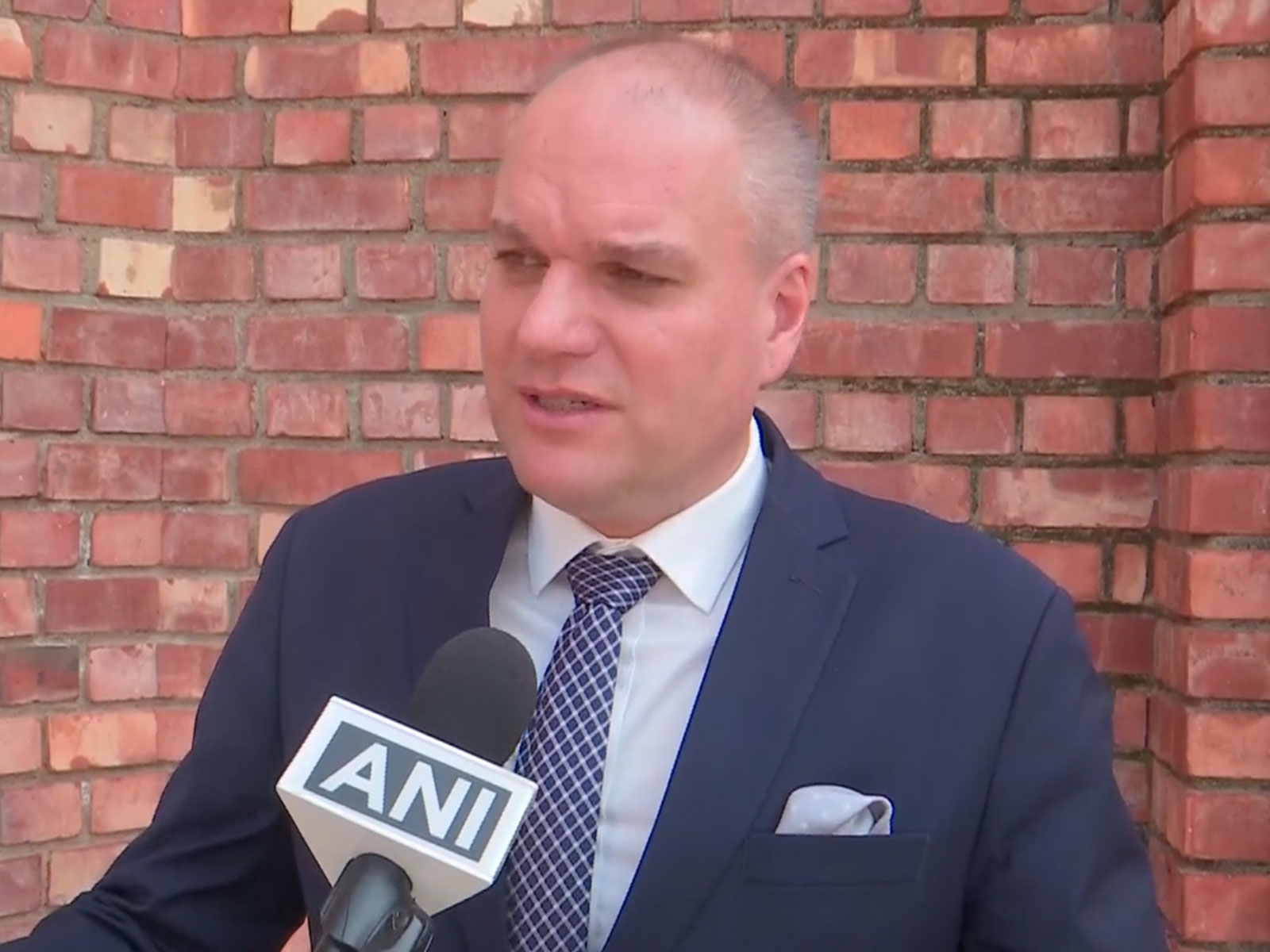
Prem Bhandari, president of the New York-based organisation Rajasthan Association of North America (RANA) and Chairman of the Advisory Board of the Chandra-KK Mehta Family Foundation, welcomed the government’s move and highlighted the contribution of grassroots workers, particularly Durgadas Ji, National Head of the Ghumantu Jati Utthan Nyas.
Bhandari said Durgadas Ji has spent more than a decade working for the welfare and upliftment of nomadic, semi-nomadic and denotified communities, describing his sustained grassroots engagement as a driving force behind efforts to integrate these communities into the social and economic mainstream.
Nomadic and denotified communities were historically classified as “criminal tribes” under a British-era law, which was repealed in 1952. However, community advocates say the stigma and socio-economic disadvantages associated with the classification have persisted, with many families continuing to lack permanent homes and access to formal documentation and government welfare schemes.
Several community initiatives have been undertaken in Rajasthan in recent years.
In January 2025, a two-day gathering was organised at Chetna Basti in Jaysinghpura Khor to promote social and spiritual awareness among members of the communities.
This was followed by an employment fair on November 29, 2025, where Rajasthan Deputy Chief Minister Diya Kumari distributed livelihood resources to hundreds of families. The event was personally sponsored by Bhandari on behalf of RANA and the Chandra-KK Mehta Family Foundation. RANA Secretary Ravi Jargarh also attended the programme, according to organisers.
The organisations have also supported a cleanliness incentive initiative modelled on the objectives of the government’s Swachh Bharat Mission, which organisers said helped improve sanitation conditions in the settlements.
Bhandari said the focus should now shift towards ensuring educational opportunities for children from these communities.
“I want to see children from these families become doctors, engineers and civil servants,” Bhandari said. “From the very beginning, RANA and the Chandra-KK Mehta Family Foundation will identify deserving children and bear the expenses of their education.”
He said the commitment had been made to Durgadas Ji and would form part of a long-term effort to empower the communities through education and economic opportunities.
The initiative reflects a broader trend of Indian diaspora groups and philanthropists supporting grassroots welfare programmes in India, particularly in areas where smaller community-led interventions can precede or complement larger government schemes.
While such diaspora-backed initiatives remain modest compared with government spending, community organisers say they can help establish local programmes and create momentum for broader state intervention.
The Rajasthan government has not yet disclosed the overall cost of the 473-flat housing initiative or detailed the criteria used to select the beneficiary families. (ANI)
Related reading