New Delhi [India], August 18 (ANI): The Federation of Indian Pilots (FIP) on Tuesday submitted a formal representation to the Director General of Civil Aviation (DGCA) regarding the potential introduction of oral-fluid testing as a complementary method under the existing psychoactive-substance testing framework for pilots.
In a letter, the FIP stated that the increasing scale of Indian aviation operations warrants additional testing methodologies to increase capacity and reduce operational disruption.
Currently, the DGCA framework under Civil Aviation Requirement (CAR) Section 5 requires random urine-based testing with at least 10% annual coverage for applicable personnel.
As per the letter, while the urine-testing system is established, oral fluid collection offers substantial advantages as it is simpler, directly observable, and can be conducted at or near the workplace.
The FIP highlighted that, based on illustrative planning assumptions, oral-fluid collection takes approximately 15 minutes compared to 45 minutes for urine collection, representing a theoretical 66.7% reduction in collection workload.
The federation is proposing a “risk-based hybrid model”.
Under this proposal, oral fluid testing would be used for high-volume, random, and airport-based screenings, while urine testing would be retained for circumstances requiring longer detection windows or specific medical requirements.
A significant recommendation in the document is for the DGCA to consider increasing the minimum annual random testing coverage from the current 10% to at least 25% of pilots to provide meaningful deterrence.
The FIP emphasized that oral-fluid testing should complement, not automatically replace, the existing system.
A critical safeguard mentioned in the letter is that the detection of a substance is not, by itself, proof of impairment.
Therefore, the FIP insists that any revised framework must maintain the procedural sequence of screening, followed by confirmatory laboratory testing, medical review, and a final regulatory determination.
To ensure the suitability of this method, the FIP requested that the DGCA commission a 12-month controlled pilot programme.
Additionally, the federation recommended the establishment of a mandatory “Pilot Psychoactive-Substance and Medication Awareness Programme”.
This includes the “Check Before You Take” principle to educate pilots on how prescription, over-the-counter, and herbal medicines may affect flight safety or test results.
The FIP noted that there is significant international precedent for this approach, citing frameworks from Australia’s CASA (Civil Aviation Safety Authority), the US Department of Transportation (DOT), and the UAE’s GCAA (General Civil Aviation Authority).
The letter also stated that these improvements would make the safety regime more efficient and scalable without compromising the integrity of the existing safety framework.
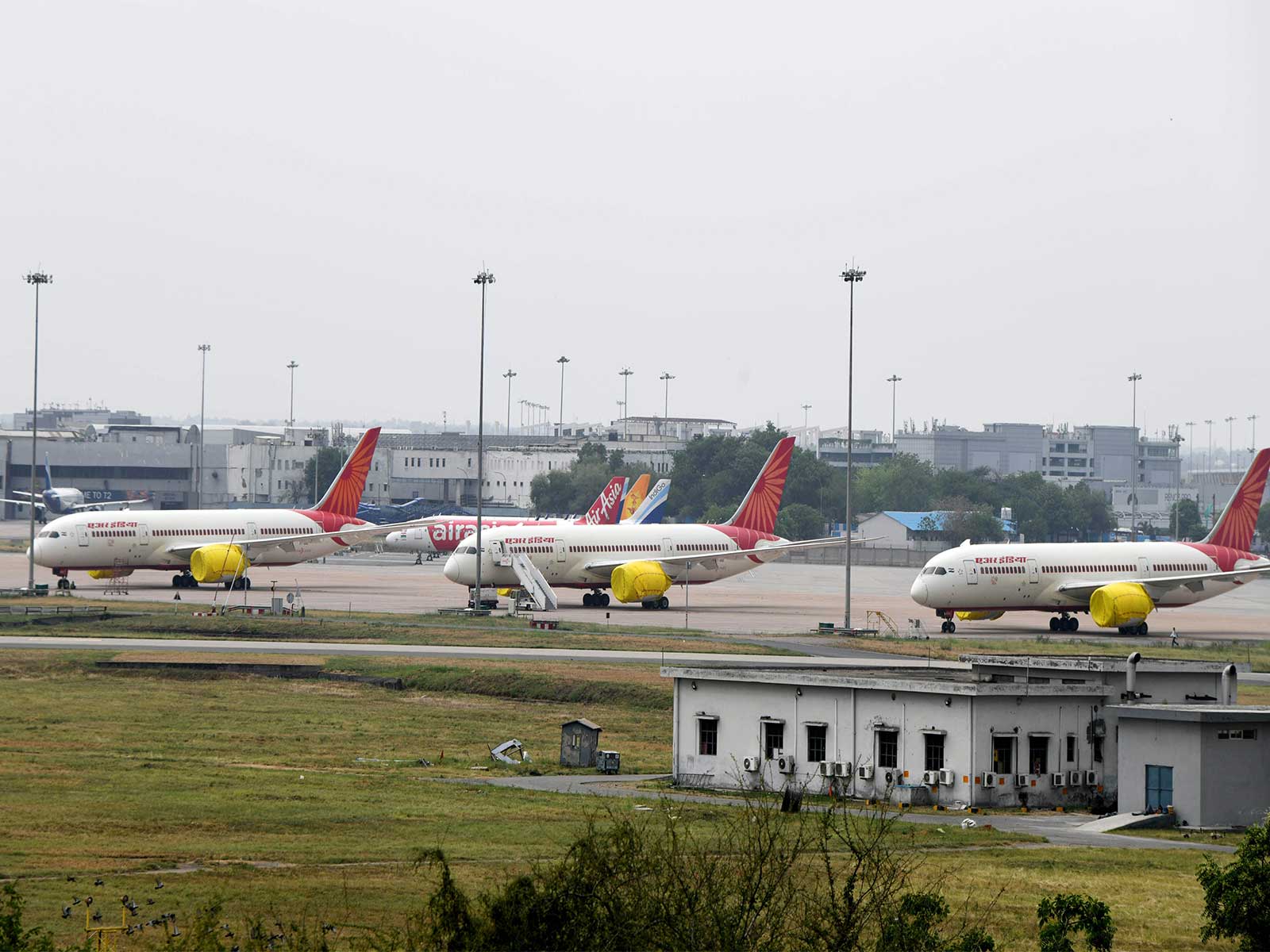
The FIP recommendation comes in wake of the incident in Air India Phuket-Delhi flight AI2379, experienced a sudden 300-foot altitude drop over Odisha, leaving 20 passengers and four cabin crew members injured.
Air India has initiated mandatory screening of all group pilots for unauthorised substances and medications
Aircraft technical fault involving a triple hydraulic failure is under scrutiny by Directorate General of Civil Aviation (DGCA) and the Aircraft Accident Investigation Bureau (AAIB). (ANI)
Related reading