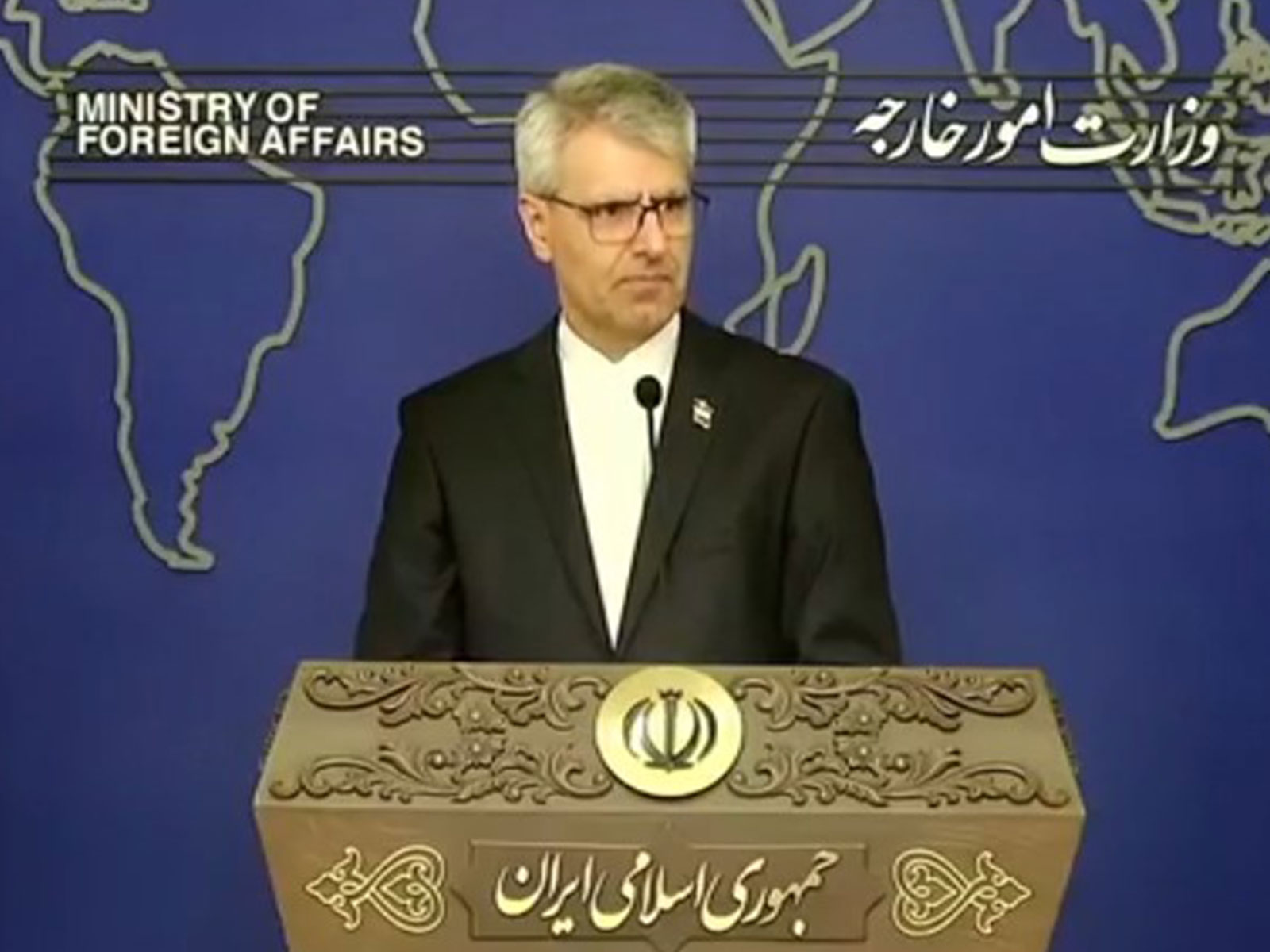
Tehran [Iran], August 17 (ANI): Iranian Foreign Ministry spokesperson Esmail Baghaei on Monday said the 60-day period referred to in the 14-point MoU is “no longer relevant”, accusing the United States of committing “gross and widespread violations” of the understanding shortly after it was signed.
Baghaei made the remarks in response to a question on the expiry of the 60 day-period, Iran’s plans to address security threats and diplomatic efforts to strengthen ties with neighbouring countries, according to Iranian news agency ISNA.
Baghaei stressed that “we do not have a 60-day deadline in the text of the understanding”, adding that Iran does not formulate its policies based on external pressure or deadlines.
“It has been proven many times that the Islamic Republic of Iran is not a party that adjusts its policies under pressure, ultimatums, and deadlines, and we make decisions based on national interests and our assessments of what provides and guarantees national interests and security,” he said.
According to Baghaei, the 14-point MoU provided for discussions over 60 days on two issues: “lifting sanctions” and “the nuclear issue”, with the period to be extended if no conclusion was reached.
“What was stated in the Islamabad understanding, which is currently in a state of non-implementation due to the gross violations of the United States, was that discussions would be held over a period of 60 days on the two issues of ‘lifting sanctions’ and ‘the nuclear issue,’ and if we did not reach a conclusion within these 60 days, it would be extended,” he said.
Baghaei said negotiations did not begin because Washington allegedly violated the understanding within weeks of its signing on June 18.
“Basically, no negotiations began because the United States committed gross and widespread violations of its text just a few weeks after signing the memorandum of understanding on June 18, and therefore the 60-day discussion is no longer relevant,” he said.
He added that Tehran was focused on managing the country’s affairs while its armed forces remained alert to security developments.
“We are focused on running the country’s affairs, and our armed forces are watching every movement with open eyes and full vigilance,” Baghaei said.
On Iran’s diplomatic engagement with neighbouring countries, Baghaei said strengthening relations with other states remained part of the Foreign Ministry’s responsibilities.
“Strengthening relations with different countries is part of the duties of the Ministry of Foreign Affairs; we have this issue on our agenda, we are in contact with all countries in the region and other relevant parties, and we are carrying out our daily duties,” he said.
The statement comes as Iranian Parliament Speaker Mohammad Ghalibaf on Sunday said that Tehran emerged victorious both militarily and politically from what he described as an “unjust war” led by the United States and Israel, state broadcaster Press TV reported.
In a post on Telegram, Press TV shared his remarks, in which the Iranian official said that the country stood firm against the “unjust war” led by the US and Israel.
In his remarks, Ghalibaf further noted, “I can say with complete conviction that we truly emerged victorious in this war, both militarily and politically.”
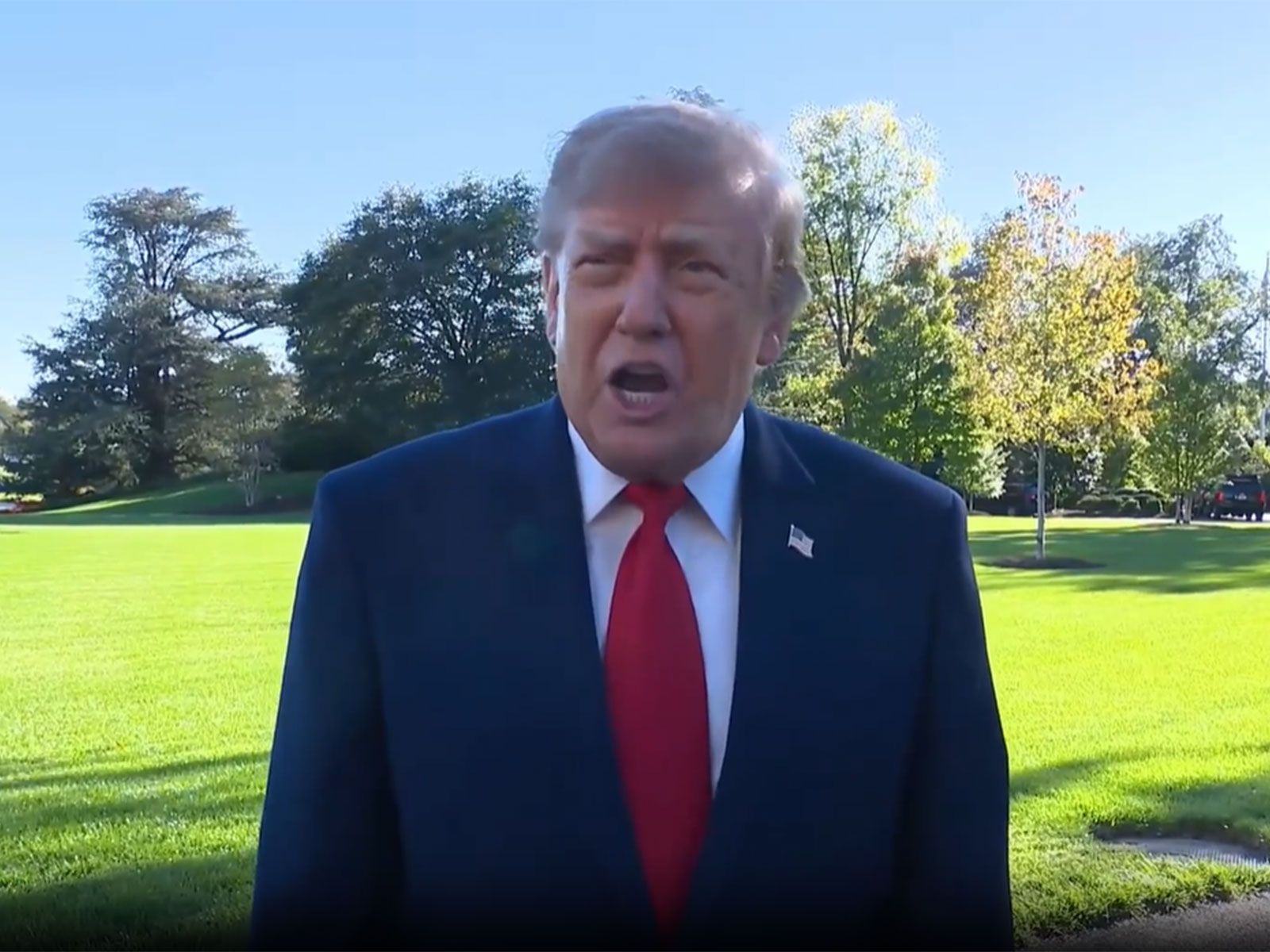
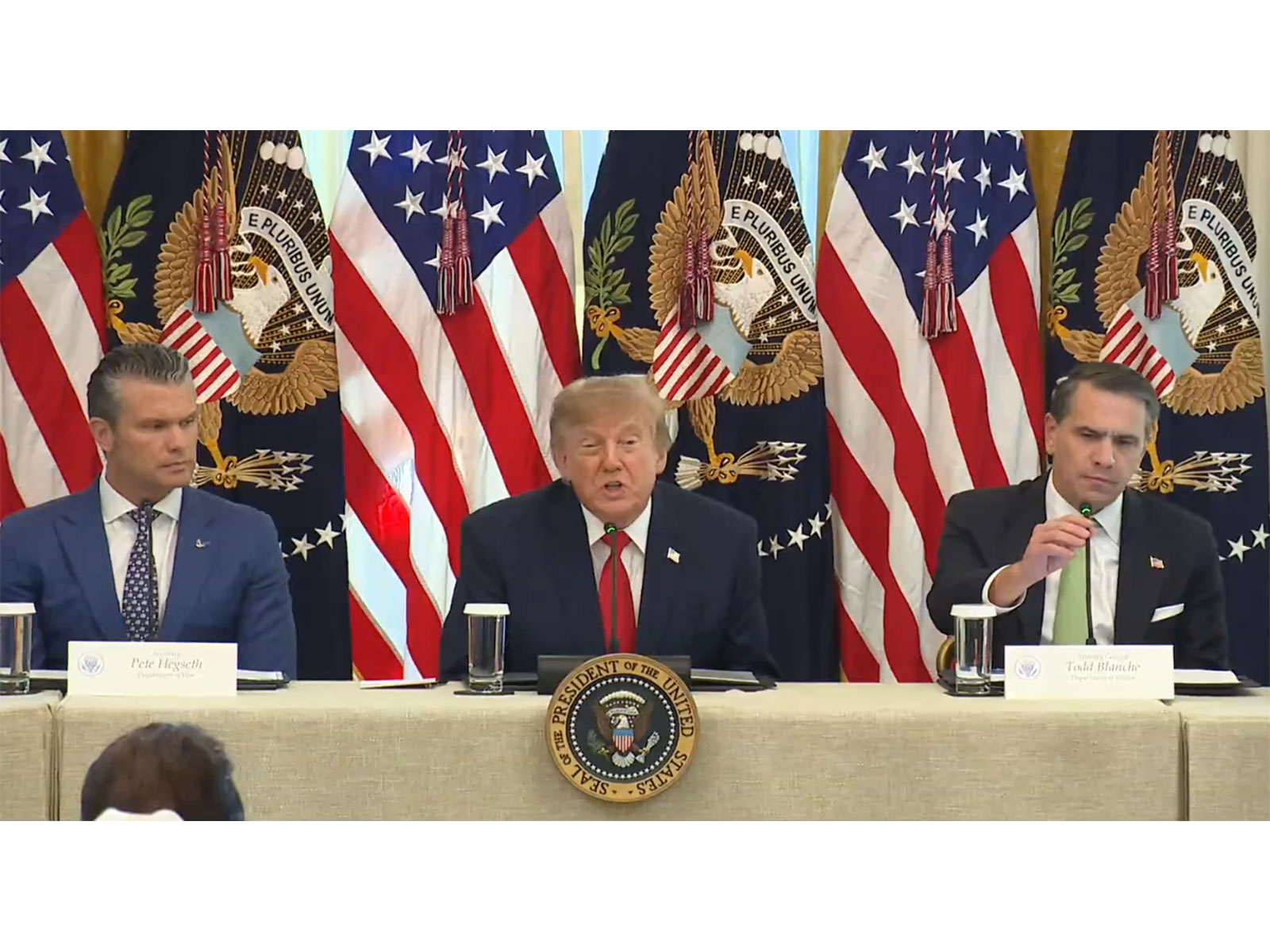
His remarks came as US President Donald Trump has consistently claimed of destruction of Iran’s military infrastructure.
As per Press TV, Ghalibaf also described the Memorandum of Understanding (MoU) between Iran and the United States as a source of “pride and victory”, saying it would help consolidate Iran’s success on the diplomatic front.
“The MoU between Iran and the US is a source of pride and victory, helping to consolidate our success on the diplomatic front.” (ANI)
Related reading