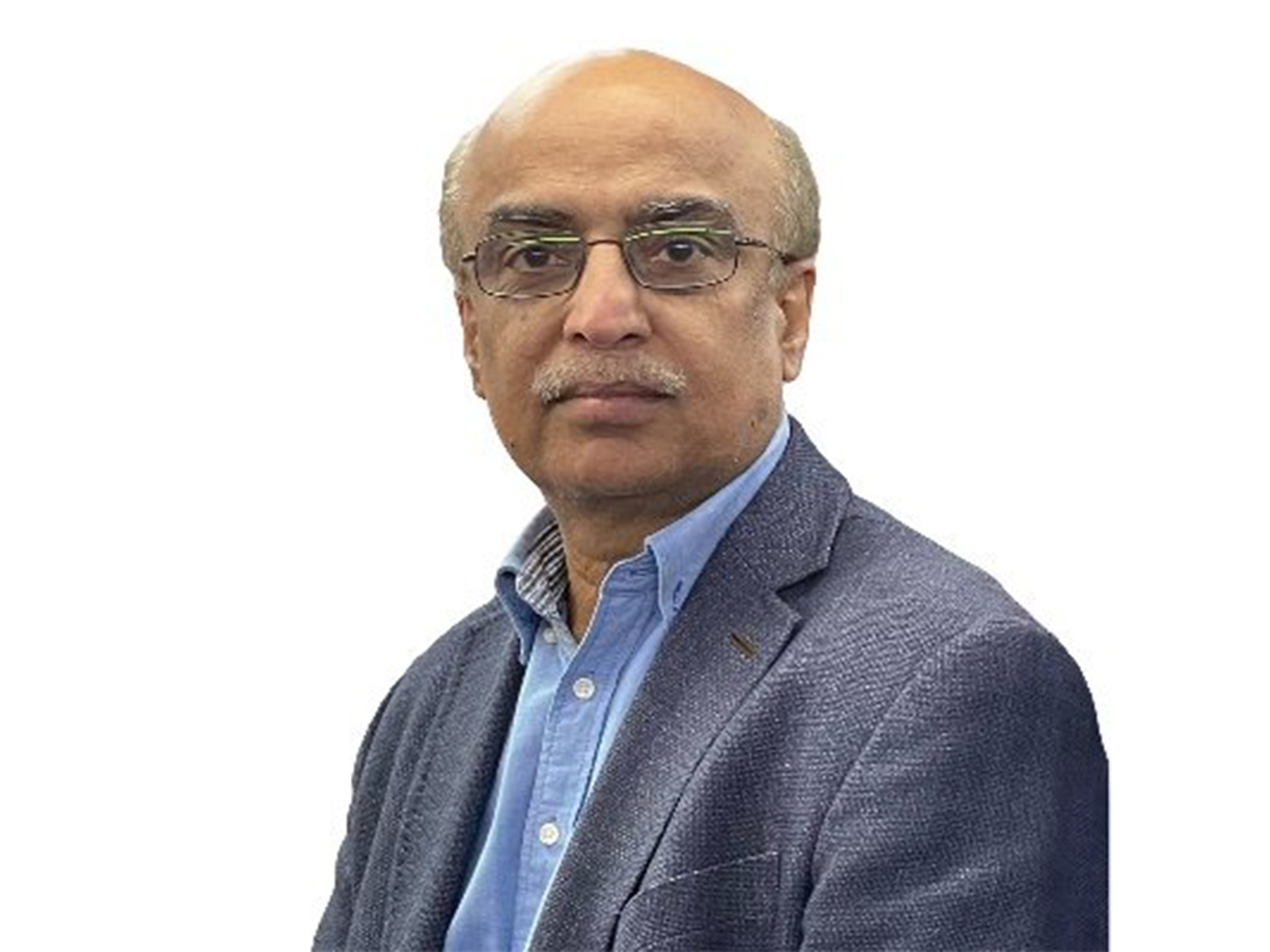
Frankfurt [Germany], August 16 (ANI): Jeay Sindh Muttahida Mahaz (JSMM) Chairman Shafi Burfat has extended greetings to the people of India on the occasion of the country’s Independence Day, describing August 15 as a historic day that commemorates generations of struggle, sacrifice, and determination against colonial rule.
In a message issued on behalf of the Sindhi nation, Burfat conveyed his “warmest congratulations, profound respect and sincere good wishes” to the people of India and paid tribute to those who sacrificed their lives and freedom during the Indian independence movement.
Beginning his message with “Vande Mataram”, Burfat said the expression holds a historic place in India’s freedom struggle and represents patriotism, devotion to the motherland, sacrifice and national dignity.
He said India’s independence was not the achievement of any single individual, political party, religion or ideological tradition, but the result of a broad-based movement involving people from different regions, communities, faiths and political backgrounds.
Burfat paid tribute to several prominent figures of India’s freedom struggle, including Mahatma Gandhi for his philosophy of non-violence and mass mobilisation, Netaji Subhas Chandra Bose for his revolutionary struggle and leadership of the Indian National Army, Jawaharlal Nehru for his vision of a modern and democratic India, and Sardar Vallabhbhai Patel for his political and organisational leadership.
He also remembered revolutionary martyrs Bhagat Singh, Rajguru and Sukhdev, describing their sacrifices as enduring symbols of resistance to colonial rule.
The JSMM chairman also acknowledged Dr B. R. Ambedkar’s contributions to constitutional democracy, equality, social justice, and human dignity, calling them fundamental to the democratic foundations of modern India.
He said the participation of Hindus, Muslims, Sikhs, Christians, Parsis and members of other communities remained one of the most significant aspects of India’s freedom struggle.
Emphasising the importance of constitutionalism and pluralism, Burfat said democracy, secularism, the rule of law, freedom of expression, religious liberty, equality before law and protection of minorities were essential for peace and social stability in South Asia.
He also highlighted the historical and cultural links between Sindh and India, saying the relationship extends beyond the political boundaries created during the 20th century.
According to Burfat, the civilisation of the Indus Valley, along with centuries of literature, language, music, spiritual traditions, commerce and cultural interaction, represents a shared civilisational heritage connecting the peoples of the region.
Burfat also praised the Sindhi community in India for rebuilding its life after the displacement and hardships of Partition. He said Indian Sindhis had made significant contributions to commerce, education, literature, culture, science, public life and social development while continuing efforts to preserve the Sindhi language and cultural heritage.
On the occasion, he extended special greetings to the Sindhi community across India.
Looking towards South Asia’s future, Burfat called for a region free from war, religious extremism, hatred and domination, and advocated democracy, secularism, human freedom, national rights, mutual respect, peaceful coexistence and regional cooperation.
He said respect for the identity, language, culture, dignity and democratic aspirations of historic peoples was essential for achieving lasting peace and stability in South Asia.
Drawing a parallel with the Sindhi national movement, he expressed hope that India’s present and future political leadership would recognise and understand what he described as the “democratic national aspirations of the Sindhi people”, including the Sindhi national movement’s aspiration for Sindhudesh.
Concluding his message, the JSMM chairman congratulated the people of India, the families and descendants of those who fought for freedom, the Sindhi community in India and what he described as democratic, secular and pluralistic forces committed to liberty and human dignity.
He wished India continued progress in democracy, knowledge, prosperity, social justice and human development, while expressing hope that the peoples of South Asia would move towards a future based on freedom, dignity, equality, mutual respect and lasting peace.
“Vande Mataram,” Burfat said, describing it as a historic expression of devotion to the motherland, national dignity and the spirit of freedom. (ANI)
Related reading