New Delhi [India], August 15 (ANI): The dawn barely breaks over the city, but the house is already buzzing with a familiar, frantic energy. Reyansh’s mother wakes up long before the sun, her hands swiftly ironing the crisp white uniform that hangs on the bedroom door.
Today is not just another school day; it is the Independence Day function. As she carefully pins a tiny paper Tricolour to his shirt pocket, a wave of nostalgia washes over her.
She remembers her own school days: the stiff white canvas shoes coated in fresh chalk, the early morning flag hoisting, the patriotic songs sung with full-throated passion, and that eager, agonising wait for the single, sweet boondi laddoo distributed at the very end.
Decades may have passed, but the anticipation surrounding Independence Day in a student’s heart remains much the same. What has changed, however, is the way schools are marking the occasion.
Across schools, Independence Day celebrations are increasingly moving beyond conventional ceremonies and cultural programmes.
While the flag hoisting, patriotic songs and sweets remain central to the occasion, schools are now using the celebrations to introduce students to civic responsibility, cultural heritage, leadership, creativity and contemporary ideas of nation-building.
At ASN Senior Secondary School, where Reyansh studies, this shift is reflected in a week-long festival themed ‘Har Ghar Tiranga- Celebrating Freedom, Culture and Responsible Citizenship’.
Dr Renuka Rawat, In-charge of Lower Primary, told ANI that the school curates a seamless learning continuum across all grades to foster patriotism, Sanskriti, Sanskar and Kaushal.
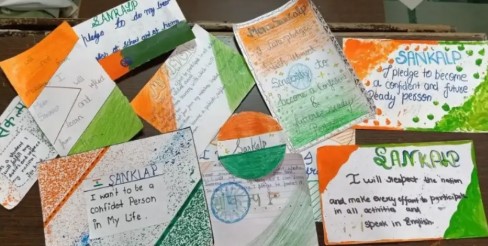
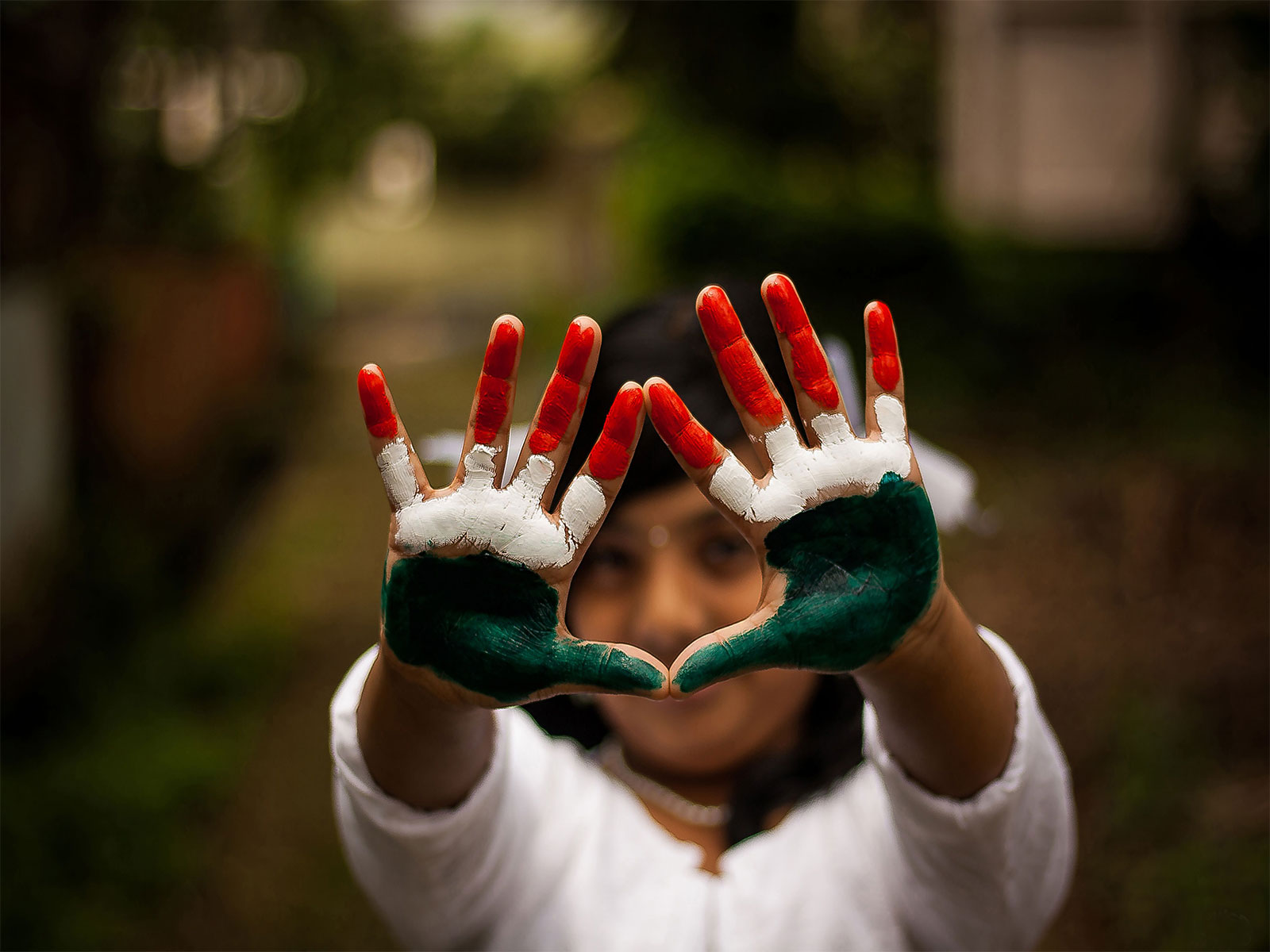
For the tiny tots in Pre-Nursery, the day is a canvas of sensory joy; tricolour handprints, vibrant balloons, and flag parades introduce them to national symbols.
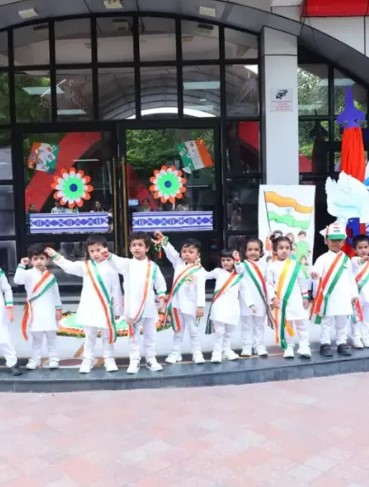
As students grow, so does the depth of their engagement. In the Foundational and Preparatory years, children build ‘Rockets to Freedom’ and participate in ‘Project Clean Up’, connecting the idea of freedom with civic responsibility and care for their surroundings.
By the time they reach the Middle and Senior years, the narrative shifts to critical thinking.
Students record ‘Echoes of Freedom Fighters’ podcasts, stage Nukkad Nataks such as ‘Sanskriti Hamari Pehchan’ and ‘Naya Daur- Soch Badlo’, and explore questions linked to contemporary India and nation-building.
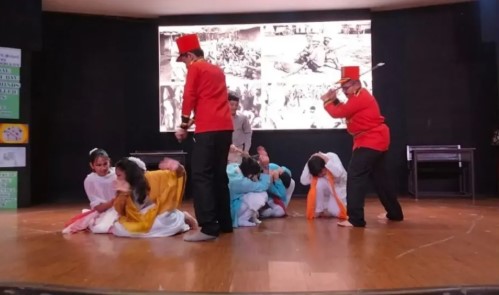
The emphasis, therefore, is not only on remembering the past but also on encouraging students to think about the India they will shape in the future.
This approach comes together at the school’s amphitheatre during the ‘Bharat @80: Sankalp Se Siddhi’ event.
The venue hosts cultural performances honouring the sacrifices of the nation’s martyrs. A musical performance by personnel of the Sashastra Seema Bal (SSB) is among the highlights of the programme, bringing members of the armed forces directly into the school’s Independence Day celebrations.
The presence of esteemed dignitaries adds profound weight to the occasion. Chief Guest Commandant Yogesh Singh of the SSB commends the students’ disciplined showcase, reminding young minds that true patriotism lies in selfless service and unwavering devotion to the motherland.
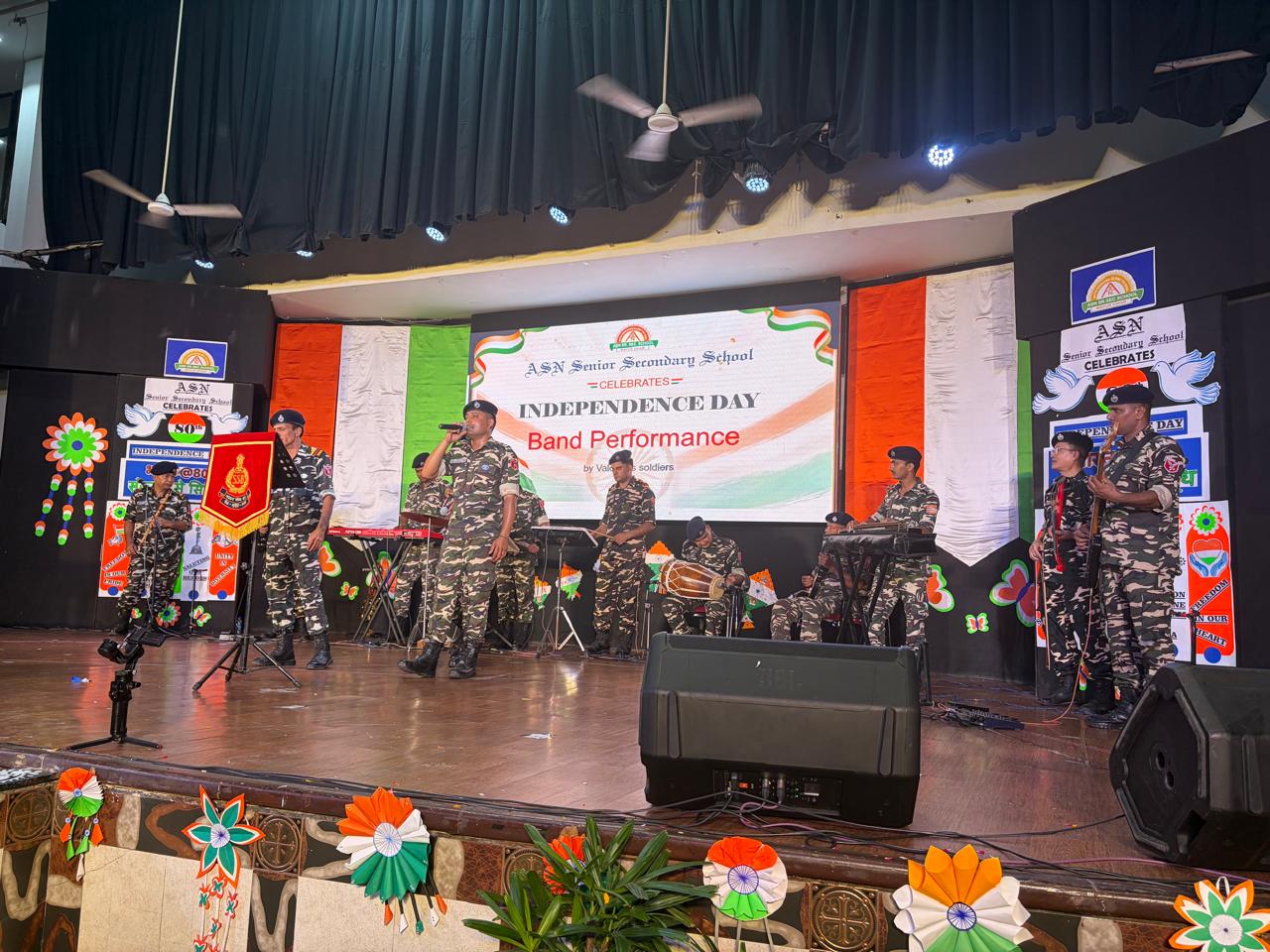
Principal Ms Swarnima Luthra also expressed profound gratitude to the armed forces and encapsulated the modern educational ethos perfectly.
Speaking to ANI about her thoughts on modern-day Independence Day celebrations, she said, “Independence is not just a one-day celebration,” adding, “It is a glorious 80-year journey from struggle to achievement. From the Green Revolution to Chandrayaan, and from UPI to Artificial Intelligence, India has carved out a distinct identity in every field. Today’s students will build a developed India in 2047. Positive use of mobile phones, environmental conservation, honesty, and a spirit of service- this is true patriotism today.”
The emphasis on student participation and contemporary themes is not limited to one campus.
Delhi Public School, Mathura Road, also commemorated India’s 80th Independence Day with vibrant patriotic fervour across all academic wings.
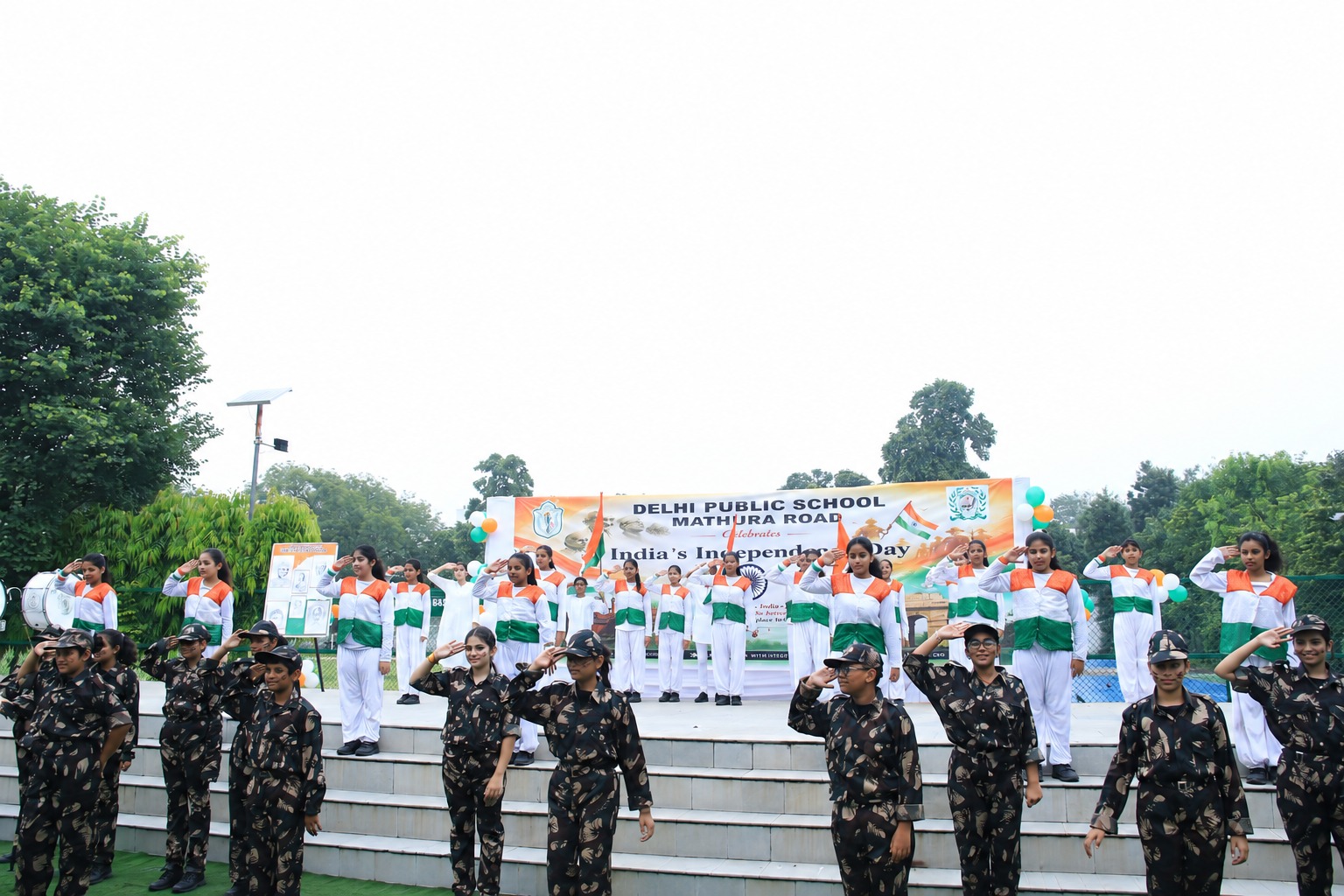
Speaking to ANI, Dr Ram Singh, Principal of Delhi Public School, Mathura Road, said, “The Pre-Primary and Primary cohorts captivated audiences through melodious patriotic songs, energetic dances, and delightful enactments, spreading messages of peace and unity.”
He added, “Concurrently, Senior School students presented the musical ‘Swarnim’ alongside ‘Operation Sindoor’, a powerful dance tribute to courage and resilience. The celebrations concluded with the National Anthem, followed by a ceremonial tricolour balloon release.”
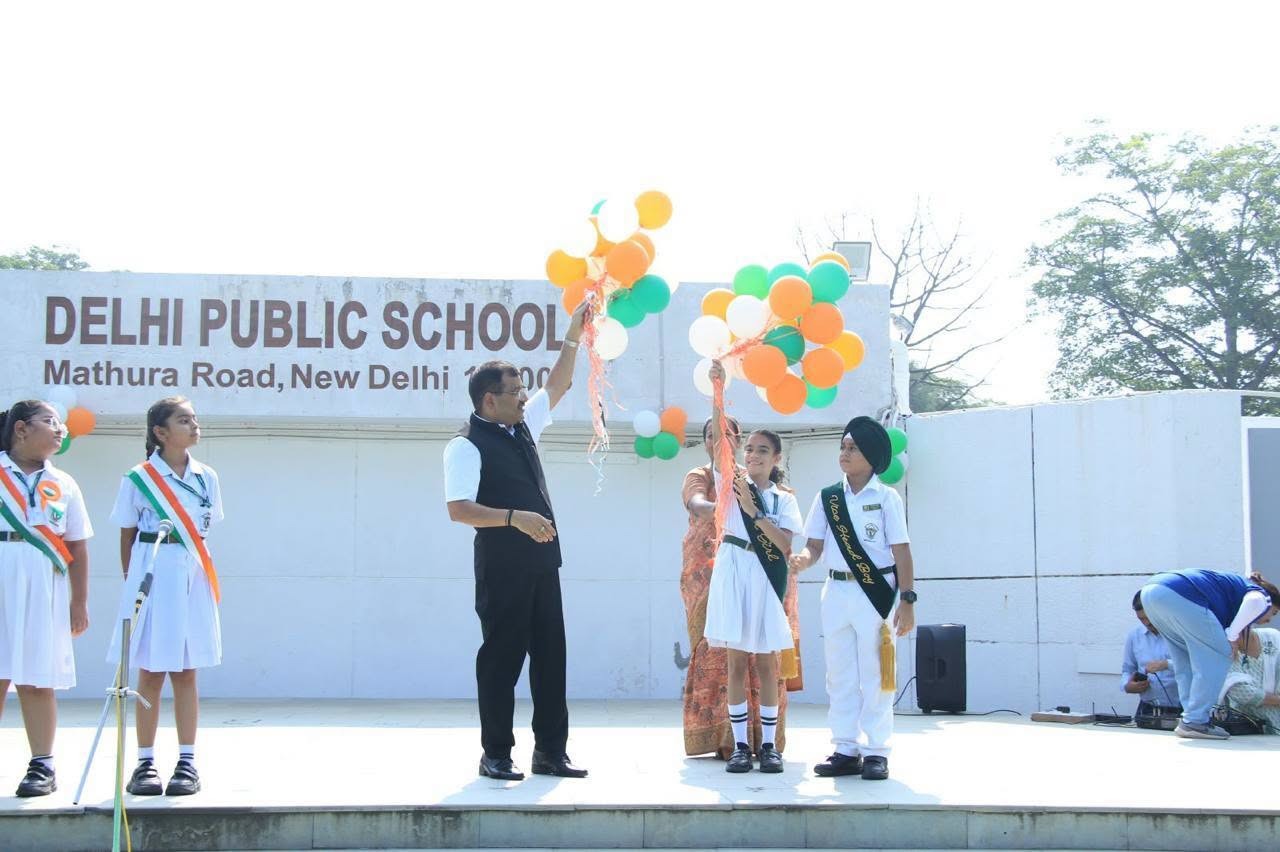
At GD Goenka, the focus is on another aspect of the changing celebration: giving students greater ownership of the programme.
Dr Neha Sharma, Principal of GD Goenka, told ANI, “At our school, the Independence Day programme is led by the Prefectorial Board. The Head Boy and Head Girl, along with the other prefects, have planned this year’s programme. It includes Indian folk dances, patriotic songs, an inspirational speech on a freedom fighter, and a self-composed poem.”
“The students prepare with great enthusiasm and patriotic fervour,” Dr Sharma said, adding, “They rehearse their songs and dances and work tirelessly on their presentations. It is lovely to see them take ownership of the programme. The excitement, the rehearsals, and even the last-minute changes are all part of the celebration.”
Student leadership, therefore, becomes another way in which the traditional school function is being transformed into a learning experience.
Some traditions, however, remain unchanged.
The unfurling of the Tricolour takes place on the morning of August 15, followed by patriotic songs and cultural performances.
And, for many students, the distribution of boondi laddoos and samosas remains an important part of the celebration.
These familiar rituals serve as a link between generations, bringing back memories for parents and teachers while creating new memories for today’s students.
“For us, Independence Day is more than a school function,” Dr Sharma reflected, adding, “It is a time for students and teachers to come together, celebrate our country, and remember the sacrifices of our freedom fighters.”
As the celebrations draw to a close, the school corridors gradually fall silent. The flags remain fluttering above the campus, while students head home carrying badges, memories and the lingering excitement of the day.
For one generation, Independence Day may be remembered through black-and-white photographs, morning assemblies and a single boondi laddoo. For another, it is podcasts, student-led programmes, cultural performances and conversations about India’s future.
The celebrations may continue to evolve with every passing year, but the essence remains the same: remembering the freedom that was won, understanding the responsibility that comes with it, and inspiring the generation that will carry the country forward. (ANI)
Related reading