New Delhi [India], August 14 (ANI): Tailored strategies and support mechanisms are needed to create new opportunities for Indian talent in Japan, particularly in sectors facing workforce shortages, Japanese Ambassador to India Keiichi Ono on Friday said, highlighting the need for a more targeted and segmented approach to strengthening bilateral human resource cooperation.
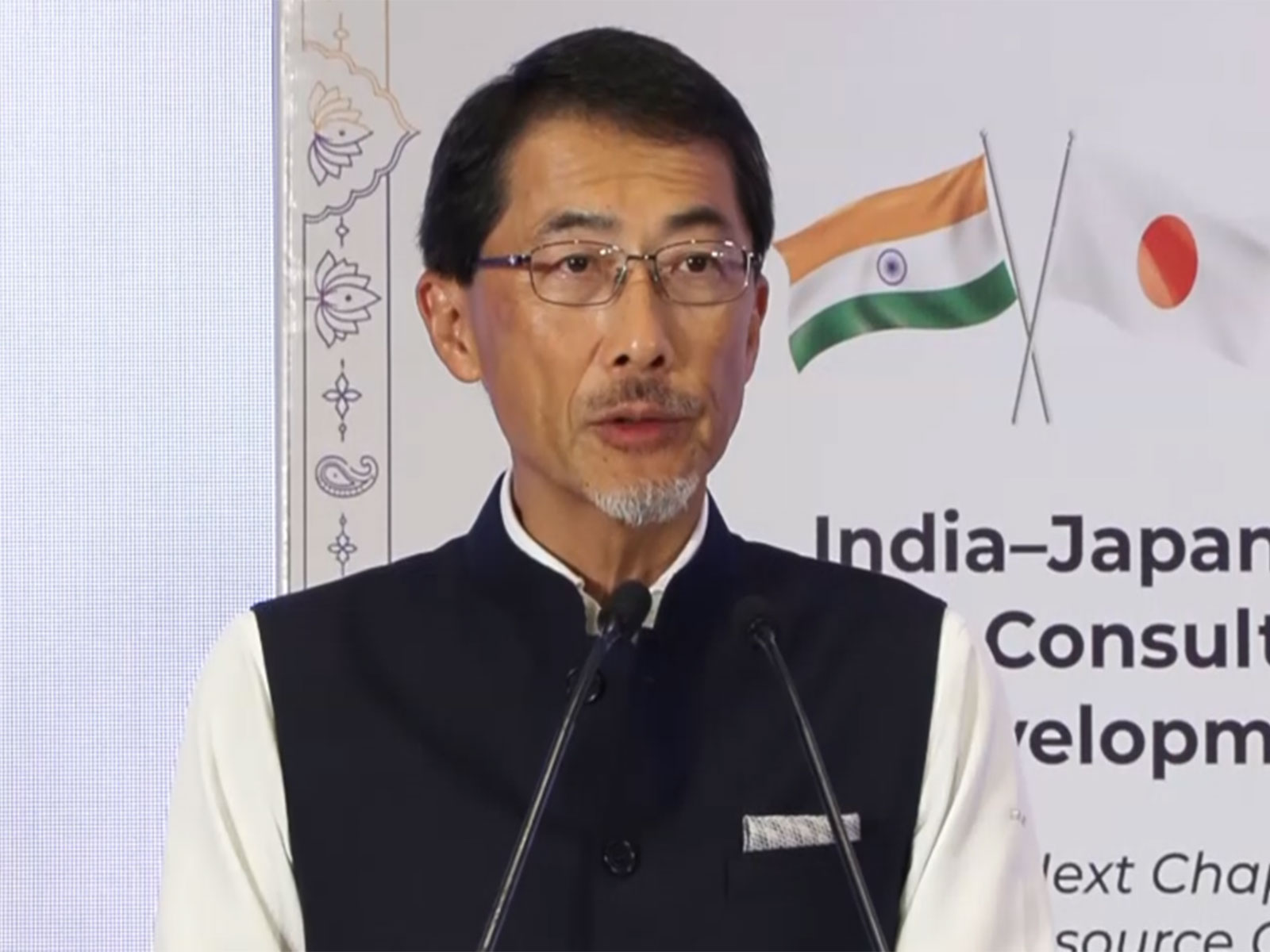
Speaking at the India-Japan Stakeholder Consultation on Skill Development: Shaping the Next Chapter of Bilateral Human Resource Cooperation here, Ono said India and Japan must deepen people-to-people exchanges to sustain mutual trust and achieve its ambitious target for two-way movement of personnel between the two countries.
“To sustain and cultivate mutual trust, it is essential to foster deeper interaction between the Indian and Japanese people. As we also already saw in the video, during the annual summit last year, the two leaders set an ambitious target – a two-way exchange of more than 500,000 personnel over the next five years. And this includes 50,000 skilled personnel and high-potential talent from India to Japan,” he said.
Ono stressed that achieving the target would require a departure from a uniform approach, with different categories of workers and professionals requiring specific support.
“To successfully achieve this target, we must recognise that a one-size-fits-all approach will not suffice. Each talent segment requires tailored strategies and support mechanisms,” he said.
He identified skilled personnel, industrial talent and skill development as key areas for deeper cooperation between India and Japan.
During the India-Japan Annual Summit in 2025, Prime Ministers of the two countries agreed on the need to deepen people-to-people exchanges and explore new avenues for their human resources to jointly create value and address national priorities.
Under the framework, India and Japan have set an ambitious target of two-way exchange of 500,000 personnel over five years, including 50,000 skilled personnel and high-potential talent from India to Japan.
Ono noted that highly skilled Indian professionals, particularly IT engineers, currently constitute the majority of Indian workers in Japan, while participation under the Technical Intern Training Program (TITP) and Specified Skilled Worker (SSW) frameworks remains relatively limited.
“These frameworks provide opportunities for Indian talents to work in Japan in many industries, including nursing care, construction, and agriculture, where Japan is facing the labour shortage problem,” he added.
Ono said there are currently only about 2,000 Indians participating under the two frameworks but expressed confidence that the number would increase through joint efforts by India and Japan.
“This number must and will increase by our efforts,” he said.
Highlighting emerging success stories, the Japanese envoy said several Japanese companies and startups have begun efforts to match demand and supply between the two countries, creating pathways for Indian talent to enter Japan’s workforce.
Ono also underlined the role of Japanese businesses in strengthening India’s skill-development ecosystem and creating an industry-ready workforce.
“I would also like to stress the contributions made by Japanese businesses. By leveraging Japan’s strengths and expertise, we will assist in enhancing skill levels in India and in cultivating an industry-ready workforce,” he said.
He cited the semiconductor sector as one example of growing cooperation.
According to Ono, the Japan International Cooperation Agency (JICA) intends to establish a human-resources development programme in the semiconductor sector by utilising Japan’s Official Development Assistance (ODA).
He further said Japanese semiconductor companies are expected to send hundreds of technicians to Dholera in Gujarat once production begins.
“This will create a flow of skilled personnel between Japan and India, creating a win-win outcome,” Ono said.
The ambassador emphasised that India-Japan human resource cooperation should not be viewed simply as a one-way movement of Indian workers to Japan or Japanese expertise to India.
“This is circulation, not just a one-way path from India to Japan or Japan to India. This will create a good circulation for our two countries,” he said.
Ono’s remarks come as India and Japan seek to deepen cooperation in skill development, advanced manufacturing and emerging industries while addressing workforce requirements in both countries.
The focus on tailored talent strategies, expanded skill-development programmes and two-way movement of professionals is expected to form an important component of the next phase of India-Japan human resource cooperation. (ANI)
Related reading