Washington DC [US], August 11 (ANI): US Senior Counsellor for Trade and Manufacturing Peter Navarro has said that President Trump and Prime Minister Narendra Modi have a “very good working relationship” and would resolve issues concerning the Russian-oil-related tariff issue.
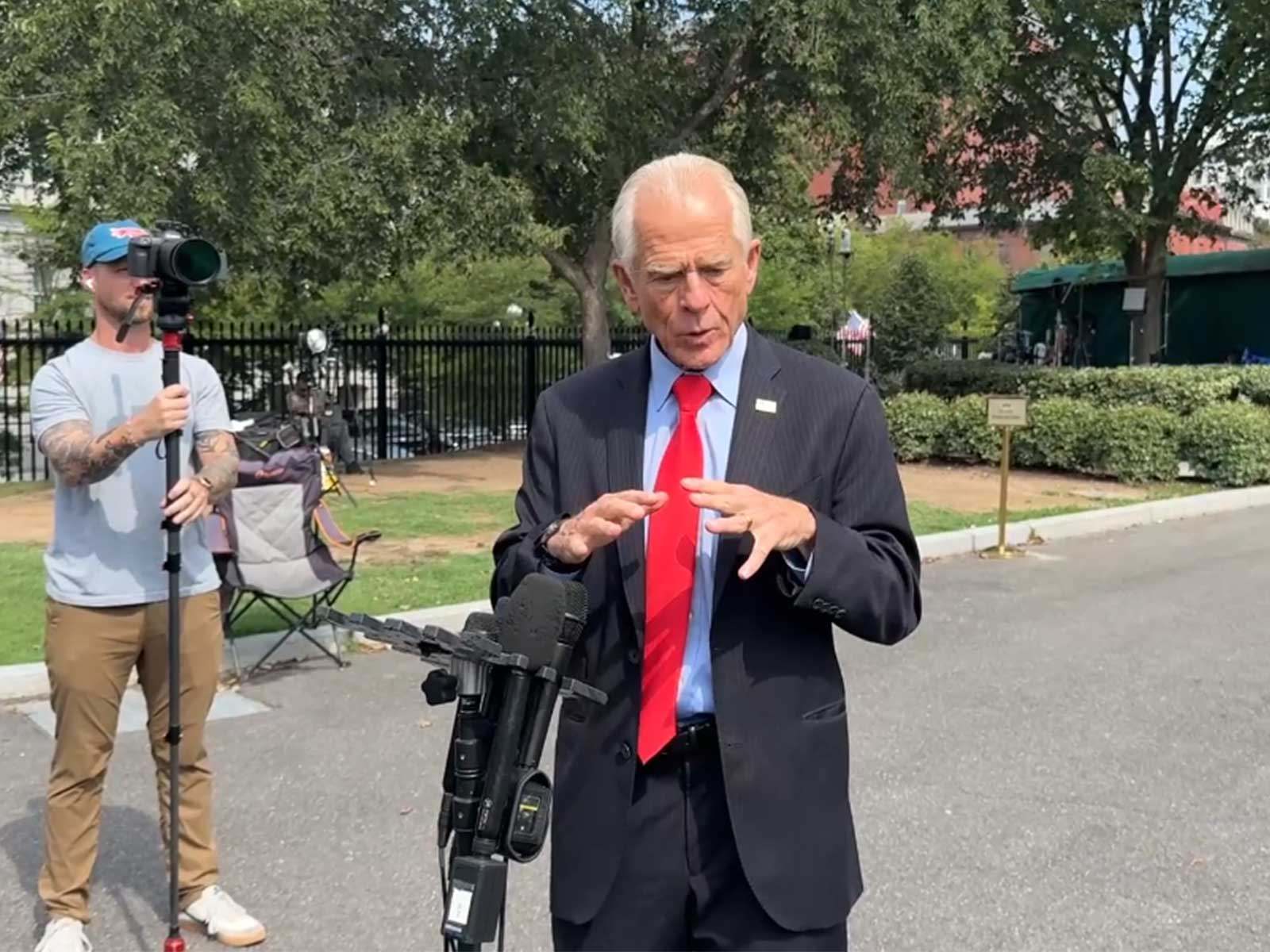
“During the Ukraine-Russia war, 6-8 months ago, I think I wrote wrote an op-ed in the Financial Times, which absolutely factually correctly pointed out that prior to the Russian invasion of Ukraine, India was not involved in the oil trade with Russia, but afterwards it got heavily involved and was selling a lot of refined products on behalf of Russia, which helped feed the war machine. And that issue has been resolved. Maybe I had a little bit to do with that with that op-ed, but I can tell you, I got actually firebombed by the Indian continent on the internet. All I would say to you, don’t do that,” Navarro said in response to an ANI question.
“That’s not how we resolve problems here in America. With respect to your question, the President and your Prime Minister have a very good working relationship. They are going to work that out amongst themselves, and it’s not for me or any gaggle to get between that,” he added.
Earlier on August 7, the US Senate passed a bipartisan bill that could authorise President Donald Trump to levy tariffs of up to 100% on goods from countries, including India and China, that continue importing Russian oil and gas, maintaining that such trade helps sustain Moscow’s economy and fund its military operations in Ukraine.
The Senate approved the Lindsey O Graham Sanctioning Russia and Iran Act of 2026 by an overwhelming 86-11 vote. Named after the late Republican Senator Lindsey Graham, one of its principal architects, the legislation aims to escalate economic pressure on Russia and Iran while targeting nations that maintain major energy trade ties with Moscow.
Under the provisions, the US president would be granted discretionary authority to impose tariffs of up to 100% on imports from the world’s top five buyers of Russian crude oil or natural gas.
Beyond targeting foreign energy buyers, the legislation outlines fresh sanctions against Russian President Vladimir Putin, senior political and military officials, financial institutions, energy developments and connected entities linked to Russia’s war effort.
It further extends US sanctions to older and reflagged oil tankers allegedly utilised by Russia to circumvent global restrictions and maintain energy export revenues. The broader objective is to restrict the financial flows supporting Russia’s economy and military campaign.
The legislation empowers the US president to enforce tariffs of up to 100% on goods imported from the top five purchasers of Russian oil or natural gas. India remains one of the largest buyers of Russian crude globally, alongside China.
The measure seeks to present energy-importing nations with a choice between continuing to purchase discounted Russian energy or retaining access to the lucrative US market.
India expanded its procurement of discounted Russian crude following the outbreak of the Russia-Ukraine conflict in 2022 to secure national energy requirements during global market turmoil.
While Russia was historically not a traditional primary supplier for India, the availability of discounted crude allowed Indian refiners to optimise raw material costs and ensure uninterrupted domestic supplies, particularly amid transit disruptions in the Strait of Hormuz. (ANI)
Related reading