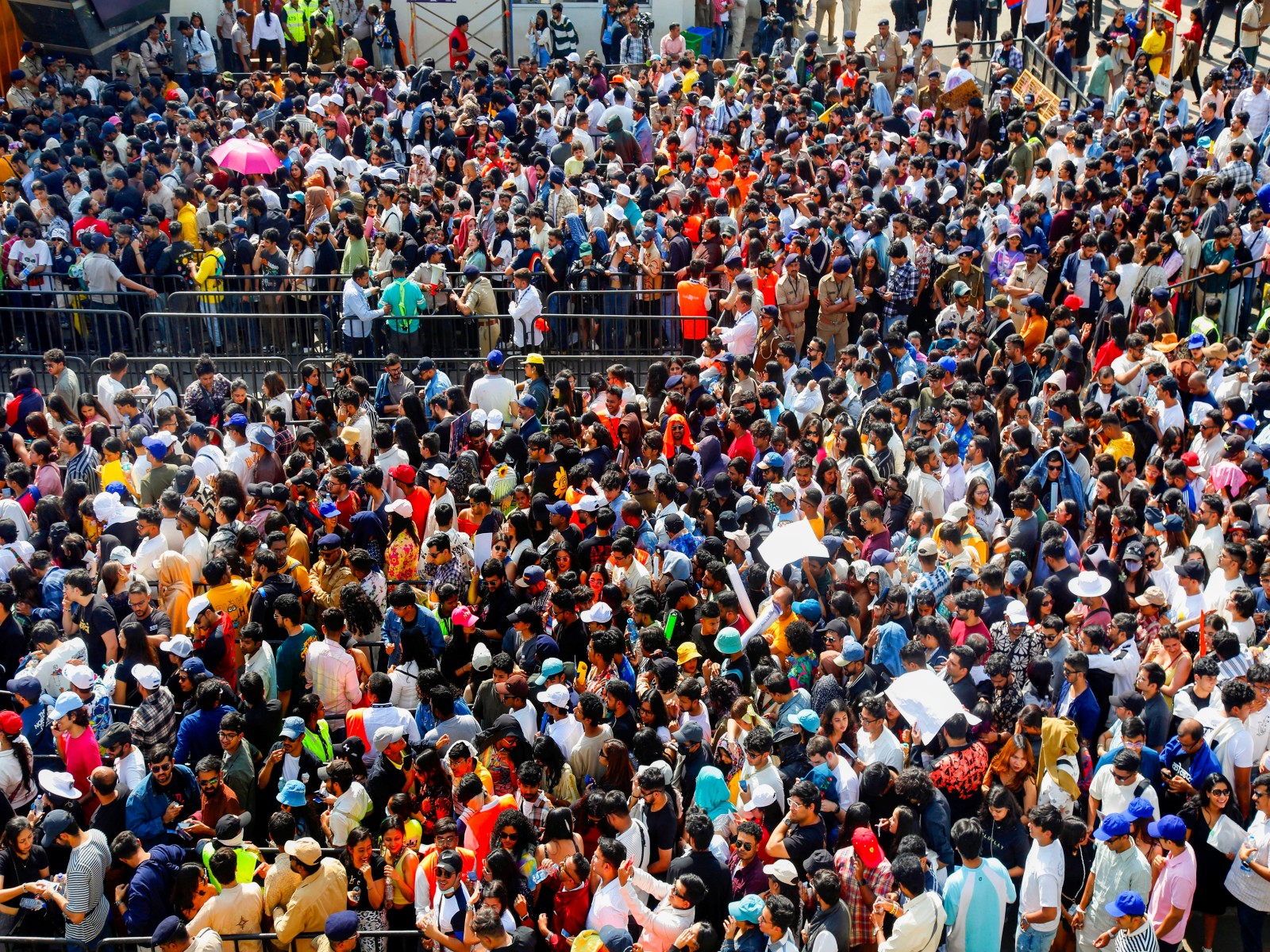
New Delhi [India], August 10 (ANI): Outstation travel and targeted discretionary spending emerged as the primary forces shaping event attendance in India, with more than half of attendees traveling outside their home cities to participate in events.
According to a recent KPMG-EEMA report, 54.4 per cent of surveyed visitors traveled from outside their city of residence to attend their most recent event, establishing long-distance movement as a baseline standard for the sector.
The study highlighted significant geographic differences in attendee mobility, revealing that outstation travel was markedly higher among respondents from non-metro locations.
“Outstation travel was higher among respondents from Tier-2 cities, with 74.2 per cent travelling outside their city to attend events, compared with 45.7 per cent of respondents from Tier-1 cities,” the report said.
The findings showed that travel distances remained sharply divided. While 33 per cent of participants traveled more than 500 km, another 33 per cent traveled entirely within their own city. Personal vehicles served as the primary mode of transport for 31.1 per cent of attendees, while domestic flights accounted for 23.3 per cent.
Accommodation and expenditure patterns reflected dedicated financial commitment from attendees. Overnight stays at or near venue locations were recorded by 52.4 per cent of respondents, with three-to-four-star hotels serving as the preferred choice for 22.3 per cent of the total sample.
“For 51.5 per cent of respondents, the event was the sole purpose of their trip, and 53.4 per cent attributed 100 per cent of their total trip cost to the event,” the report noted.
Annual expenditure on event-related activities remained under Rs 30,000 for 68.9 per cent of respondents, while a high-spending segment exceeding Rs 1 lakh represented 5.8 per cent of the sample. Meanwhile, entry fees were free for 45.6 per cent of participants.
Demographically, the visitor base comprised predominantly young working professionals. Salaried employees formed 57.3 per cent of the sample, while students accounted for 21.4 per cent. Individuals aged between 25 and 34 represented 47.8 per cent of respondents, and those aged 18 to 24 made up 24 per cent.
Annual household incomes for the largest share of working respondents fell between Rs 6 lakh and Rs 15 lakh.
Professional networking stood out as the leading driver for attendance, chosen by 65 per cent of respondents among their top three reasons, outranking general entertainment at 50.5 per cent.
On the demand side, work and time constraints proved to be the primary barrier to attendance for 34 per cent of respondents, followed by ticket prices at 29 per cent. (ANI)
Related reading