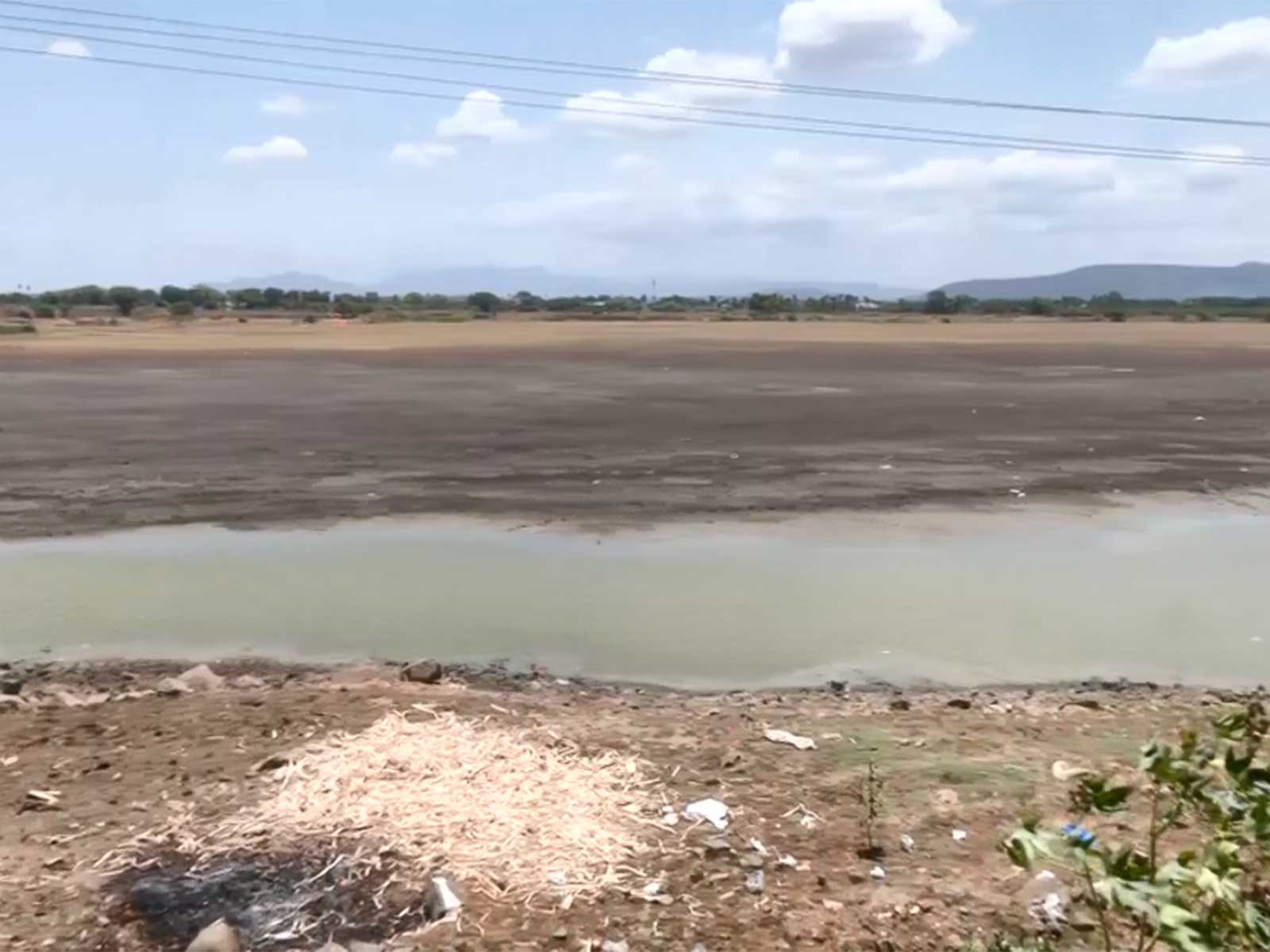
Madurai (Tamil Nadu) [India], August 6 (ANI): A severe water shortage has left the Vellaripatti irrigation tank in Tamil Nadu’s Madurai district completely dry, dealing a major blow to agriculture and livelihoods in the region as farmers struggle with one of the worst drought-like situations in recent years.
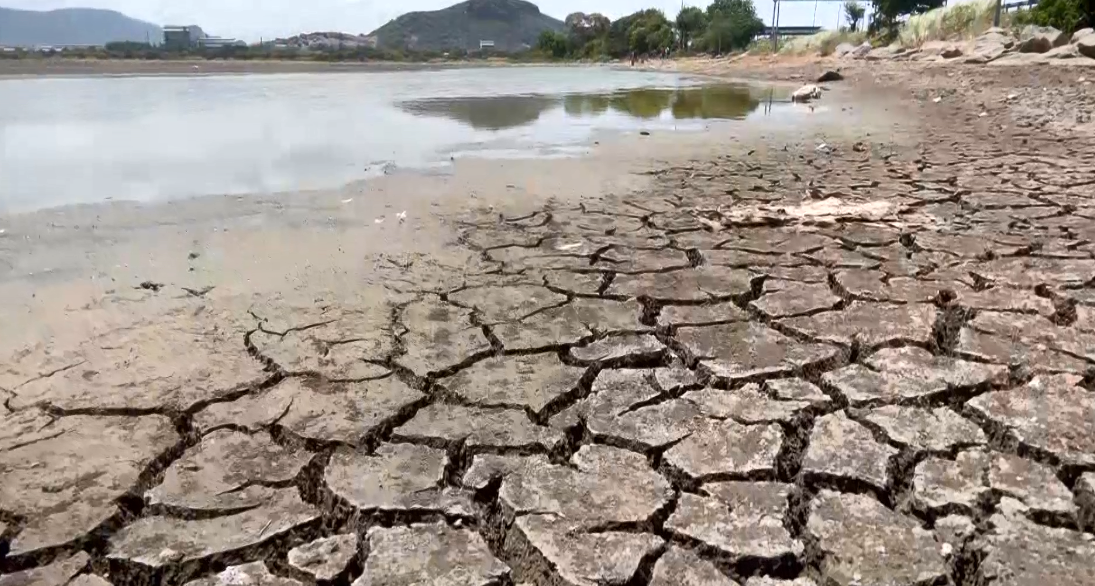
The Vellaripatti Kanmai (irrigation tank), which serves as a primary water source for agriculture in several surrounding villages, has turned into a vast stretch of cracked earth after months of inadequate rainfall and prolonged extreme heat. The dried-up tank bed, marked by deep fissures, reflects the growing water crisis confronting farmers in the region.
Residents said the irrigation tank has traditionally sustained farming activities throughout the year and also supported fishing, providing livelihoods to hundreds of families. However, with the complete depletion of water this season, both occupations have come to a standstill.
The absence of adequate rainfall in the catchment areas has prevented the tank from receiving sufficient inflows, leaving farmers unable to irrigate their fields during the current cultivation season.
Speaking to ANI, local farmer Ayyappan said the region usually witnesses two crop cycles every year, both of which depend heavily on the availability of water in the Vellaripatti tank.
“This region traditionally depends on two crop seasons every year. Apart from farming, many people also depend on fishing in the Vellaripatti irrigation tank for their livelihood. However, whenever we try to cultivate the tank bed, people with political backing threaten us. Even when it rains, the water does not remain in the tank due to the intense heat. If there had been adequate rainfall in the catchment areas, we could have cultivated our fields around the tank,” he said.
Another farmer, Mahalakshmi, described the irrigation tank as the backbone of the local agrarian economy and said the ongoing drought had pushed farming families into uncertainty.
“Earlier, we used to cultivate two crops a year with water from this tank. During periods of drought and water scarcity, the Vellaripatti irrigation tank was our lifeline. But this year, there has been no rain, and we don’t know how we will survive. The drought is the worst we have experienced in recent years. Without water, there is no agriculture. We are not educated, and farming is the only livelihood we know. Along with agriculture, fishing is the only other occupation we depend on. Due to poor rainfall, there is no work, and we are struggling every day to make ends meet,” she said.
Tamil Nadu has witnessed uneven rainfall in several districts over recent months, affecting water storage in irrigation tanks, reservoirs and village ponds. While parts of the state have received intermittent showers, several interior regions continue to face rainfall deficits, impacting agricultural activities and groundwater recharge.
Madurai district, where agriculture remains a major source of livelihood, relies on a network of tanks, canals and seasonal rainfall for irrigation. Traditional irrigation tanks such as Vellaripatti play a crucial role in storing monsoon water, supporting cultivation during dry months and replenishing groundwater. When these tanks fail to fill, both farming and allied activities such as inland fishing suffer significantly.
Agriculture experts have repeatedly stressed the need for timely desilting of irrigation tanks, improved water conservation measures and better management of catchment areas to enhance storage capacity during the monsoon season.
With no significant rainfall in sight, farmers fear that the prolonged dry spell could lead to further crop losses, declining incomes and increased migration in search of alternative employment. Many have urged the government to provide drought relief, employment support and measures to improve water availability before the next cultivation season.
The cracked bed of the Vellaripatti irrigation tank now stands as a stark reminder of the worsening impact of erratic rainfall and rising temperatures on rural livelihoods in Tamil Nadu. (ANI)
Related reading