Washington DC [US], August 3 (ANI): Growing impatience has mounted across Gulf nations regarding the apparent lack of a coherent US strategy as hostilities with Iran persist, according to a report by The Wall Street Journal.
The prolonged conflict has left regional Gulf partners vulnerable to recurring Iranian strikes while intensifying broader security apprehensions across the Middle East.
According to the report, regional allies have recently approached Washington requesting supplementary air-defence interceptors, alongside explicit guarantees that American forces will maintain their protective umbrella if the military stand-off drags on.
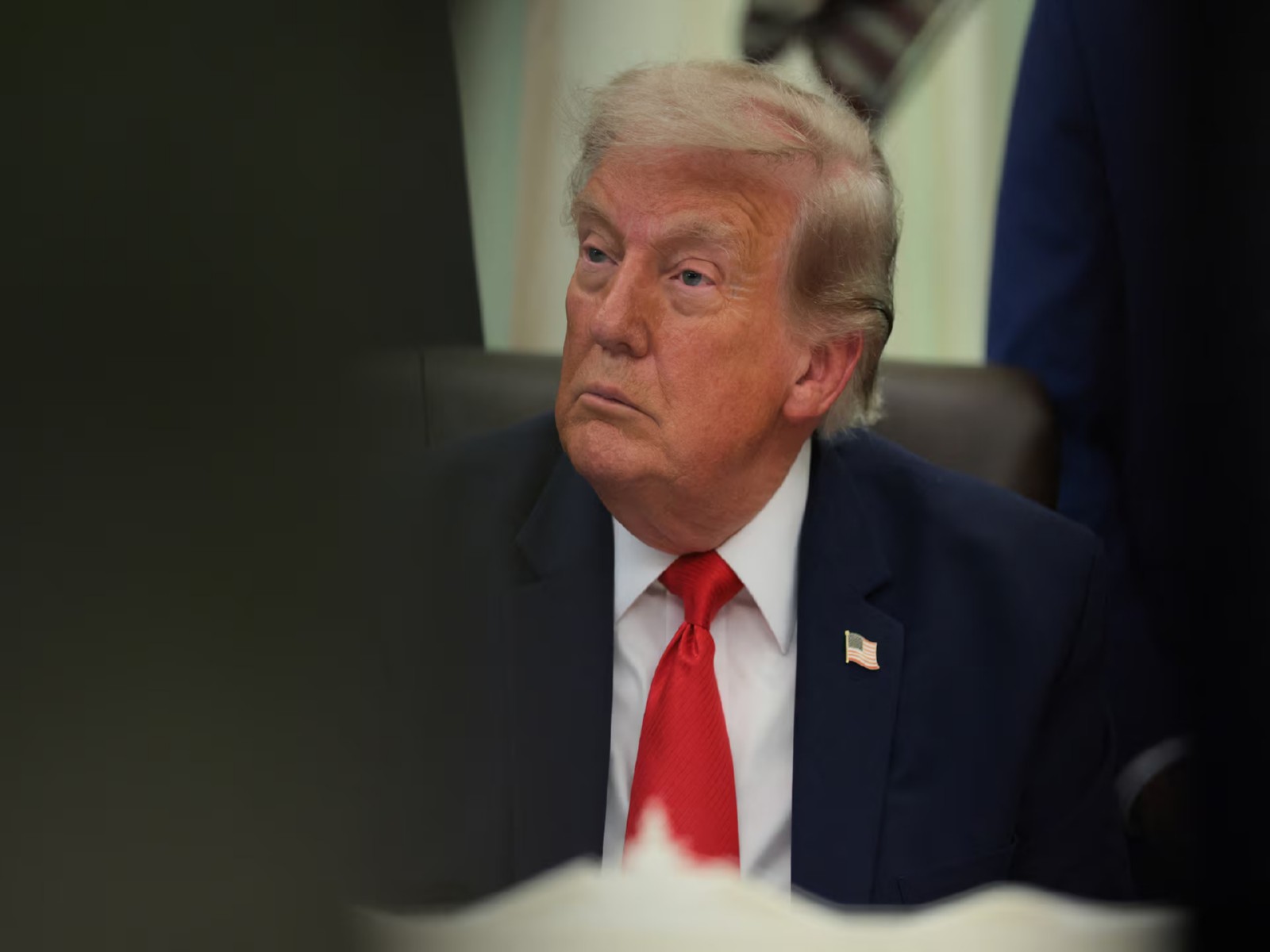
US President Donald Trump had initially announced plans on Friday to launch fresh strikes against Iranian targets. However, he subsequently chose to defer the offensive after diplomatic intermediaries recorded progress on a framework to unblock the Strait of Hormuz, coupled with appeals from several Gulf capitals urging continued engagement with Tehran, sources familiar with the developments told The Wall Street Journal.
Trump’s social media statement early Sunday temporarily de-escalated tensions between Washington and Tehran.
The report noted that the decision highlighted a familiar pattern in the US President’s approach, characterised by shifts between stern military threats and optimistic assessments regarding a potential peace deal.
Simultaneously, regional negotiators have been pushing to broker a fresh ceasefire between Washington and Tehran.
According to the report, Qatari mediators submitted a revised draft to Iran on Saturday with the objective of restoring traffic through the Strait of Hormuz. Iranian diplomats reportedly responded positively, fuelling expectations of a potential breakthrough.
An Iranian diplomat confirmed that Tehran demonstrated a willingness to evaluate the draft, though it remained uncertain whether the Iranian leadership would ultimately endorse the terms.
The proposal outlines revised maritime routes through the vital Strait of Hormuz, situated between Iran and Oman, which accounts for roughly 20 per cent of global oil shipments.
However, the report highlighted that it remains unclear how the draft addresses Tehran’s demand to levy transit fees on vessels navigating the waterway, a condition strongly resisted by the United States.
Regional officials were quoted as saying that Iranian representatives also tabled fresh proposals on Friday focused on reopening the maritime corridor and easing sanctions targeting Iranian petroleum exports.
Shortly before Trump’s public statement, Saudi Crown Prince Mohammed bin Salman spoke with the US President, advocating diplomatic dialogue to calm regional tensions, according to Saudi state media and official sources.
The Saudi administration stated that diplomatic avenues remain critical to preserving regional stability and preventing a wider military escalation.
The report added that the Crown Prince sought detailed clarity regarding Washington’s long-term strategy towards Iran and the proposed air strikes. Behind closed doors, Gulf nations remain deeply dissatisfied with what they perceive as an absent US vision while they bear the brunt of Iranian retaliation.
Divergences have also surfaced among Gulf states regarding the appropriate course of action. According to senior regional officials, the United Arab Emirates has urged Trump in recent days to apply decisive military force against Tehran.
These officials argued that Iran’s Islamic Revolutionary Guard Corps (IRGC) would refrain from making concessions unless Washington intensified military pressure, secured physical control of the Strait of Hormuz and considered ground options.
Conversely, Saudi Arabia has consistently championed de-escalation. Riyadh had earlier resisted a US military proposal aimed at forcibly unblocking the Strait of Hormuz, sparking temporary friction with Washington before the kingdom eventually aligned with the effort.
According to the report, Israeli officials currently assess that Trump prefers securing a diplomatic agreement over returning to full-scale warfare, which would exact heavy economic and security costs across the Middle East.
Public opinion data cited in the report further indicated that the conflict with Iran has grown increasingly unpopular among the American public, posing potential political risks for Republicans ahead of the November midterm elections.
The report stated that Iranian officials are cognisant of Trump’s domestic political considerations and could attempt to leverage them if diplomatic efforts fail. An Iranian diplomat warned that the IRGC was deliberating pre-emptive strikes even if the United States refrained from launching fresh attacks.
Evaluating the shifting dynamics, former Israeli military intelligence official Danny Citrinowicz told The Wall Street Journal that Gulf nations currently hold greater sway over Trump than Israeli Prime Minister Benjamin Netanyahu.
“They basically prefer stability over everything else,” Citrinowicz said, adding that regional Gulf leaders fear any direct strike on Iranian infrastructure would prompt immediate retaliatory attacks on their own critical energy facilities. (ANI)
Related reading