Munich [Germany], August 1 (ANI): The World Uyghur Congress (WUC) has intensified its criticism of China, alleging that Beijing’s policies targeting Uyghurs and other Turkic communities are extending beyond East Turkistan and influencing actions taken in other countries.
In its latest press release, the WUC condemned Morocco’s detention and deportation of Dolkun Isa, President of the Uyghur Democratic Movement and former WUC President. Isa was detained for nearly 15 hours after arriving in Casablanca on July 20 to attend the International Religious Freedom Summit and was later deported to Germany.
The WUC claimed the incident reflected a broader pattern of alleged transnational repression and demanded that Morocco clarify whether external pressure, including from China, played a role in the decision.
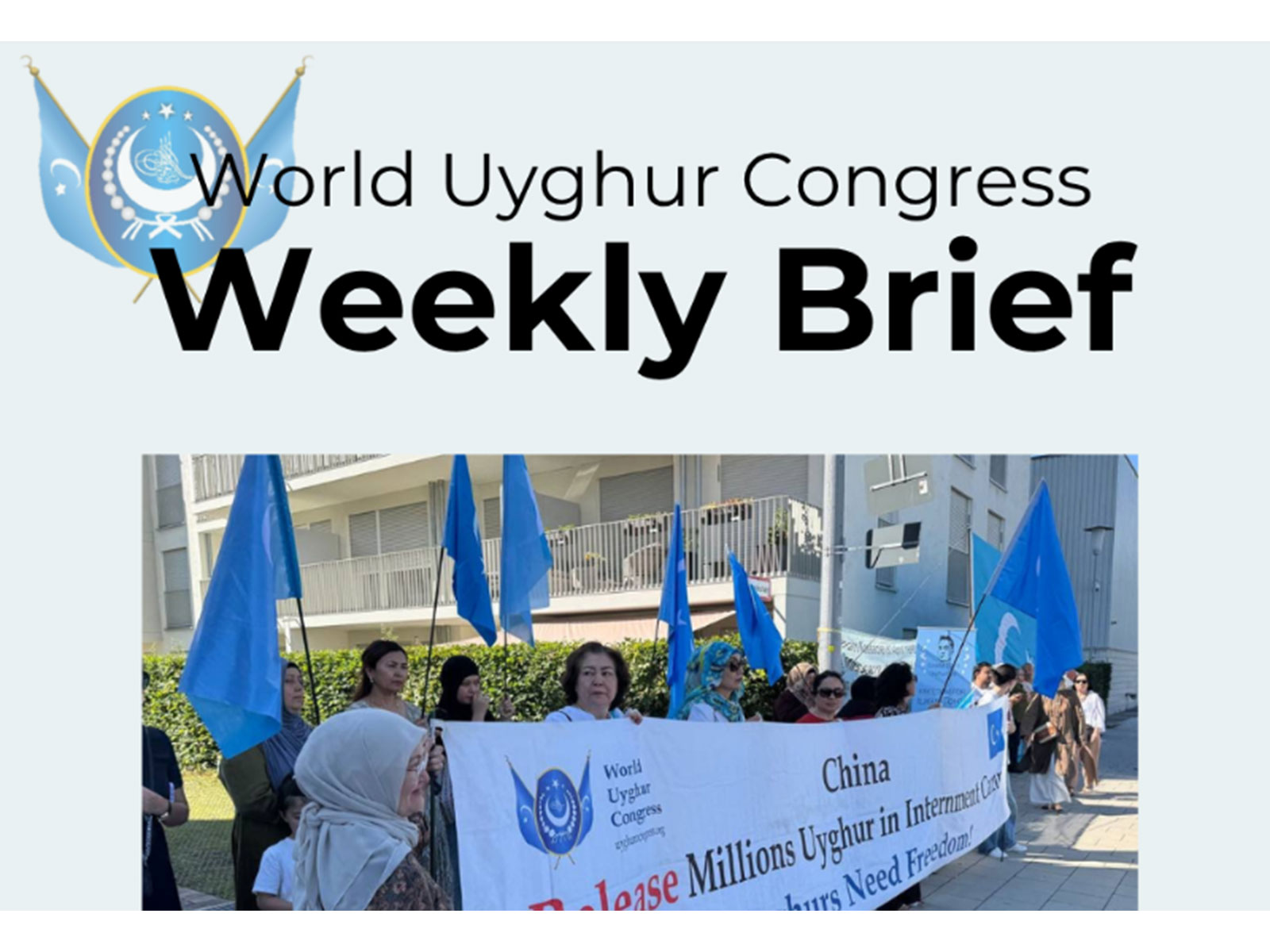
The organisation also marked the 12th anniversary of the Yarkand Massacre, holding a protest outside the Chinese Consulate in Munich. The WUC accused Chinese security forces of carrying out a deadly crackdown on Uyghur civilians following protests in Yarkand County in July 2014. It called on Beijing to reveal details about those killed or missing and urged the international community to support an independent investigation.
The WUC further highlighted the testimony of former Chinese police officer Zhang Yabo, whose account was reported by The New York Times. Zhang, who worked for nearly a decade in East Turkistan and is now seeking asylum in Germany, reportedly described his involvement in home raids, detention transfers, surveillance operations, and forced labour supervision. The WUC said the testimony offered insight into the functioning of China’s security system in the region.
Meanwhile, concerns have emerged in Kazakhstan over China’s new Ethnic Unity Law, which came into force on July 1. Critics fear the law could be used to pressure Uyghur, Kazakh, and other Turkic activists living abroad. WUC Vice President Zumretay Arkin alleged that China’s increasing confidence in expanding repression internationally has been encouraged by what she described as a lack of strong global action.
The Chinese government has repeatedly rejected allegations of human rights abuses in Xinjiang, stating that its policies are aimed at countering terrorism, promoting stability, and improving economic development. (ANI)
Related reading