PNN
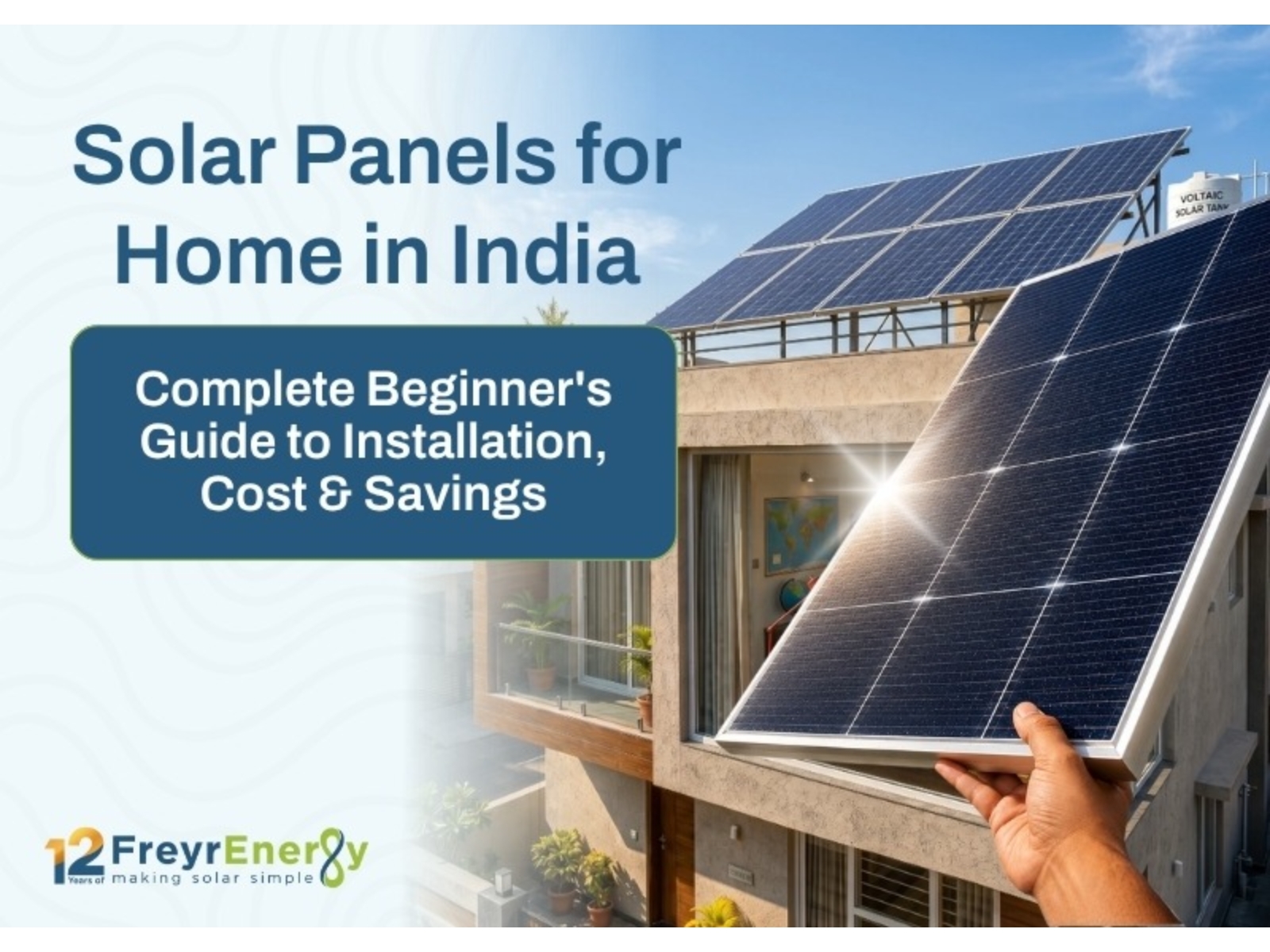
Surat (Gujarat) [India], July 30: Rising electricity costs and growing awareness of clean energy are encouraging more Indian homeowners to invest in rooftop solar systems. With improving technology, attractive government incentives under the PM Surya Ghar Yojana, and falling installation costs, solar panels for home have become a practical long-term investment for households looking to reduce electricity bills and generate their own clean energy.
Whether you’re planning your first solar panel installation or exploring how rooftop solar works, this guide explains everything you need to know, from choosing the right home solar system and understanding solar panel prices to government subsidies, expected savings, and the key factors to consider before making the switch.
Why Homeowners in India Are Switching to Solar Panels
More homeowners are choosing solar panels for their homes as a practical way to reduce electricity costs and gain greater control over their energy consumption.
With electricity demand increasing and power tariffs rising, generating your own electricity has become a smart long-term investment.
Modern residential solar panels are more efficient, durable, and affordable than ever before. Government subsidies, net metering, and improved financing options have also made home solar power accessible to a wider range of households.
Beyond the financial benefits, switching to solar energy helps reduce dependence on conventional electricity while contributing to a cleaner and more sustainable future. For many homeowners, investing in rooftop solar is not just about lowering monthly bills; it’s about securing long-term energy savings and increasing energy independence.
Before exploring solar panel installation costs, government subsidies, and potential savings, it’s important to understand how a home solar system works and the components that make it possible.
What Is a Home Solar System?
A home solar system is a setup that converts sunlight into electricity to power your household. It typically consists of rooftop solar panels, a solar inverter, a mounting structure, electrical protection devices, and other essential components that work together to generate usable electricity.
During the day, the solar PV system produces electricity that powers lights, fans, refrigerators, air conditioners, and other household appliances.
Depending on the type of system installed, excess electricity can either be exported to the grid through net metering or stored in batteries for later use.
A well-designed residential rooftop solar system helps reduce electricity bills, improves energy independence, and provides a reliable source of clean energy for many years.
How Do Solar Panels Work?
Solar panels convert sunlight into electricity through photovoltaic (PV) cells. While the technology behind them is advanced, the way they work is surprisingly simple.
The PV cells capture sunlight and convert it into direct current (DC) electricity.
Since household appliances operate on alternating current (AC), a solar inverter converts the DC electricity into usable AC power for your home.
This electricity powers your lights, fans, appliances, and other household devices.
If your home solar system generates more electricity than your household consumes, the excess power can be exported to the electricity grid through net metering in an on-grid solar system.
When solar generation is lower, such as during the night or on heavily overcast days, your home automatically draws electricity from the grid, ensuring an uninterrupted power supply.
The result is a reliable and efficient way to generate solar energy while reducing your dependence on conventional electricity.
Once you understand how solar panels generate electricity, the next step is choosing the type of home solar system that best suits your energy requirements.
Types of Home Solar Systems
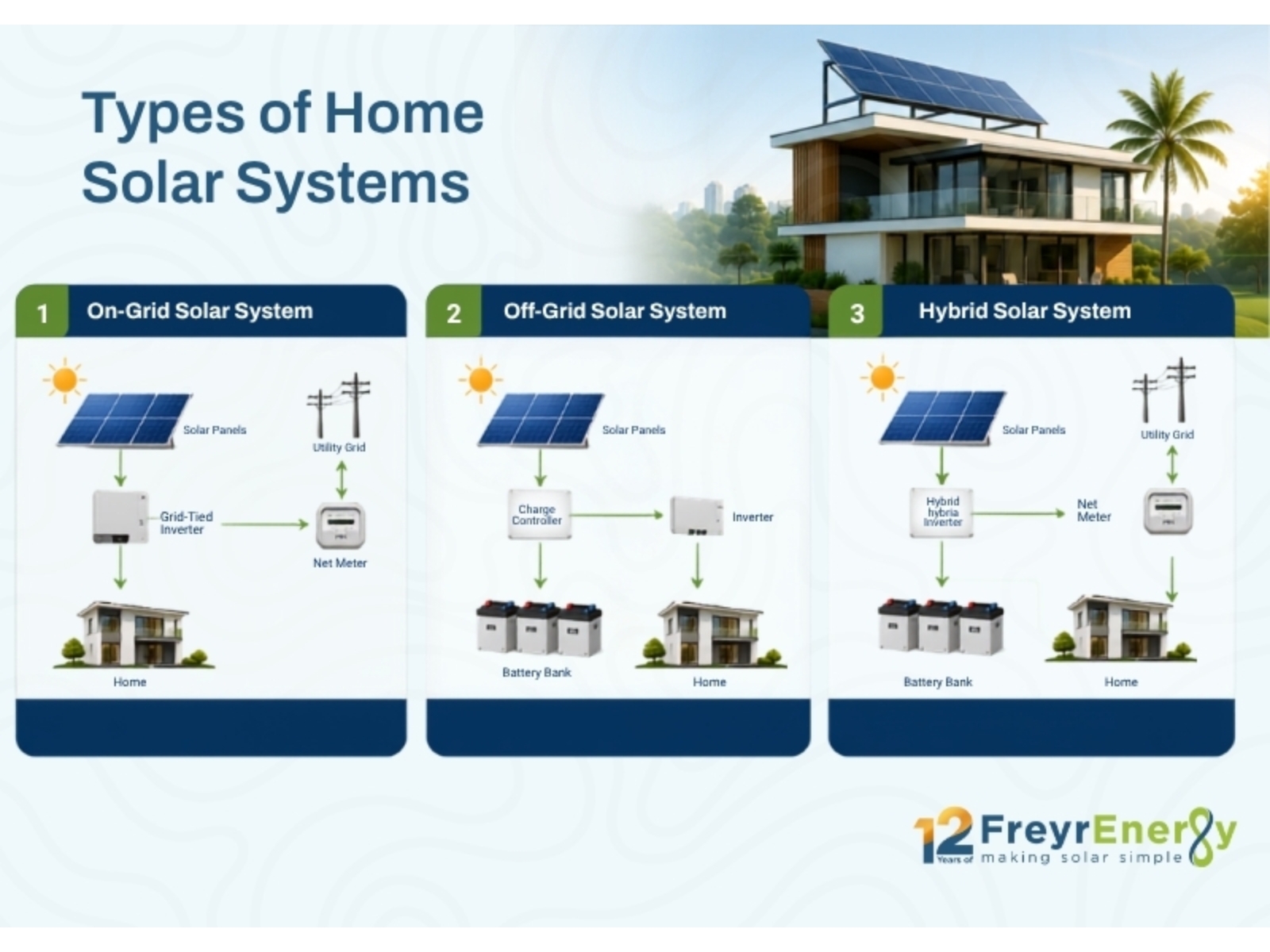
Not every home solar system works the same way. The right option depends on your electricity consumption, budget, and whether you require backup power during outages.
On-Grid Solar System
An on-grid solar system is the most popular choice for homes in India. It remains connected to the electricity grid, allowing homeowners to use solar power during the day while drawing electricity from the grid whenever required.
If the system generates more electricity than your home consumes, the surplus power is exported through net metering, helping reduce electricity bills.
For most urban households, an on-grid system offers the best balance between affordability and long-term savings.
Off-Grid Solar System
An off-grid solar system operates independently without relying on the electricity grid.
Instead of exporting surplus electricity, it stores excess power in batteries, making it suitable for remote locations where grid electricity is unavailable or unreliable.
However, the off-grid solar system price is generally higher because battery storage significantly increases the overall project cost.
Hybrid Solar System
A hybrid solar system combines the advantages of both on-grid and off-grid systems. It remains connected to the grid while also using battery storage, allowing homeowners to use solar energy during the day and stored electricity during power cuts or at night.
These systems use a hybrid solar inverter, which intelligently manages electricity from solar panels, batteries, and the utility grid.
Although hybrid systems involve a higher upfront investment, they offer greater energy security and flexibility.
For most urban homeowners, an on-grid solar system offers the best balance of affordability and long-term savings, while hybrid systems are ideal for households that require backup power during outages.
Which Solar Panel Is Best for Indian Homes?
There isn’t a single solar panel that’s best for every home. The right choice depends on your roof space, budget, electricity consumption, and long-term energy goals.
Most residential installations in India today use monocrystalline solar panels because they generate more electricity in limited roof space. However, the right choice ultimately depends on your specific energy needs, roof size, and budget.
If you have limited roof space and want maximum electricity generation, monocrystalline panels are usually the preferred option because of their higher efficiency.
If you have a larger roof and are looking for a more affordable solution, polycrystalline panels can still deliver reliable performance.
Regardless of the panel type, always choose products from reputable manufacturers that offer certified quality, comprehensive warranties, and reliable after-sales support.
How Much Solar Capacity Does Your Home Need?
The ideal solar system size depends on your monthly electricity consumption rather than the size of your house.
The table below provides a general recommendation based on monthly electricity usage.
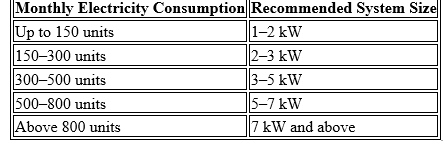
If you’re unsure which system size is right for your home, a professional site assessment can provide the most accurate recommendation based on your electricity usage, available roof space, and future energy requirements.
Besides electricity consumption, factors such as roof orientation, shading, appliance usage, and future electricity demand also influence the final system size.
Solar Panels Price for Homes in India
The solar panel price for residential installations depends on several factors, including the system size, panel technology, solar inverter type, roof design, and installation complexity. While larger systems require a higher initial investment, they generally deliver better value over time through lower electricity bills and greater long-term savings.
Besides the overall solar panel price, homeowners should also consider the quality of components, product warranties, installation expertise, and after-sales support, as these factors significantly influence the system’s long-term performance and reliability.
The table below provides the approximate solar panel installation cost for residential rooftop systems before applicable subsidies and taxes.
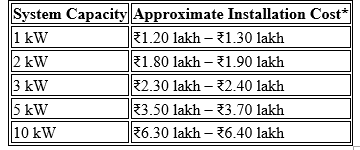
*Indicative prices for residential rooftop solar systems. Actual costs may vary depending on site conditions, component selection, installation requirements, and applicable taxes.
If you’re eligible under the PM Surya Ghar Yojana, the available solar panel subsidy can significantly reduce the upfront installation cost, making rooftop solar more affordable for homeowners.
Government Subsidy for Residential Solar in India
To encourage the adoption of rooftop solar, the Government of India launched the PM Surya Ghar: Muft Bijli Yojana, offering financial assistance to eligible homeowners installing approved residential solar systems.
The current central government subsidy is:
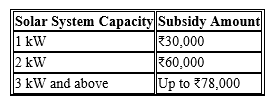
To claim the solar panel subsidy, homeowners must:
– Install the system through an empanelled vendor.
– Use approved solar components.
– Complete the required inspection and documentation process.
– Meet the eligibility requirements under the PM Surya Ghar Yojana.
Once the installation is verified, the subsidy amount is transferred directly to the beneficiary’s bank account according to the scheme guidelines.
As government policies may change over time, homeowners should verify the latest eligibility criteria before applying.
Electricity Bill Savings with Solar Panels
One of the biggest reasons homeowners choose solar panels for their home is the opportunity to significantly reduce monthly electricity bills.
During the day, a rooftop solar system generates electricity that powers household appliances, reducing the amount of electricity purchased from the grid.
In an on-grid solar system, any surplus electricity generated can be exported through net metering, helping offset future electricity bills.
When the system is properly sized to match your household’s electricity consumption, homeowners can reduce their electricity bills by up to 90%.
For example, if your monthly electricity bill is around ₹5,000, a well-designed rooftop solar system could reduce it to ₹500 or less, resulting in annual savings of approximately ₹54,000.
Actual savings depend on several factors, including:
– Monthly electricity consumption
– System capacity
– Local electricity tariff
– Sunlight availability
– Roof orientation
– State net metering regulations
Over the typical lifespan of more than 25 years, these savings can amount to several lakhs of rupees, making solar energy one of the most rewarding long-term investments for homeowners.
Solar Panel Return on Investment (ROI)
Installing a residential solar system requires an upfront investment, but it is also one of the few home improvements that continues generating financial returns year after year.
Unlike many household upgrades that depreciate over time, rooftop solar helps reduce electricity costs for more than 25 years.
According to information published under the Government of India’s rooftop solar initiatives, residential solar systems typically deliver an annual return on investment (ROI) of 18% to 25%, with most homeowners recovering their installation cost within 3 to 5 years, depending on the system size, electricity tariff, energy consumption, and available government subsidies.
Homes with higher monthly electricity bills generally recover their investment faster because they save more on every unit of electricity generated.
After the payback period, the electricity generated by your solar system continues to reduce household energy costs for many years, making rooftop solar a practical long-term investment.
What Influences Your Long-Term Solar Savings?
While the solar panel price is an important consideration, the overall value of your investment depends on several factors beyond the initial installation cost.
These include:
– Choosing the right system size
– Using high-quality solar panels and a reliable solar inverter
– Proper system design
– Professional solar panel installation
– Regular maintenance
– Your household’s daytime electricity consumption
A well-designed system not only maximizes electricity generation but also delivers higher long-term savings and a faster return on investment.
Solar Panel Installation Process: Step-by-Step Guide
A successful solar panel installation involves more than simply placing panels on a rooftop. Every home has different electricity requirements, roof conditions, and energy needs, so proper planning and professional installation are essential for achieving the best performance.
A typical residential solar power installation involves the following steps:
Step 1: Evaluate Electricity Consumption
The first step is understanding your household’s electricity usage. Reviewing your monthly electricity bills helps determine the right system size and estimate potential savings.
Step 2: Conduct a Site Survey
Before installation, professionals assess your property to check:
– Available roof space
– Roof strength and structure
– Sunlight availability
– Shading from nearby buildings or trees
– Suitable panel placement
This ensures the rooftop solar system is designed for maximum electricity generation.
Step 3: Select the Right Solar System Components
Based on your electricity requirements and roof conditions, you can choose the right combination of:
– Solar panels
– Solar inverter
– Mounting structure
– Safety equipment
– Battery storage (for hybrid or off-grid systems)
Choosing quality components plays an important role in improving system efficiency and long-term reliability.
Step 4: Installation and Grid Connection
During installation, the team mounts the solar panels, installs the inverter, completes electrical connections, and performs safety checks.
For an on-grid solar system, the installer also helps complete the required approvals and net metering process.
Step 5: Testing and Commissioning
After installation, the system is tested to ensure:
– Proper inverter operation
– Safe electrical connections
– Correct energy generation
– Monitoring system functionality
Once commissioned, your home starts generating clean solar energy.
Roof Requirements for Installing Solar Panels
Most Indian homes can support solar panel installation, but roof suitability plays an important role in system performance.
Before installing solar panels for home, consider the following factors:
Adequate Sunlight Exposure
– Solar panels need sufficient sunlight throughout the day to generate electricity efficiently.
– Shadows from trees, nearby buildings, or other structures can reduce energy generation.
Available Roof Space
The required roof area depends on your system size. Homes with limited space can benefit from high-efficiency monocrystalline solar panels, which generate more electricity from a smaller area.
Roof Strength
Concrete and metal roofs are generally suitable for residential solar installations, provided they can safely support the mounting structure and panels.
Roof Direction and Orientation
A properly positioned rooftop solar system can improve electricity generation. While south-facing roofs are generally preferred in India, east- and west-facing roofs can also provide good performance when designed correctly.
Solar Panel Maintenance Guide for Homes
One of the biggest advantages of residential solar systems is that they require minimal maintenance.
Unlike many traditional power systems, solar panels have no major moving parts, making them easy to maintain.
To keep your system performing efficiently:
– Clean panels periodically to remove dust and debris.
– Check for new shading caused by trees or nearby construction.
– Monitor electricity generation through the solar monitoring application.
– Schedule periodic inspections of electrical connections and the solar inverter.
With proper care, high-quality residential solar panels can continue generating electricity efficiently for 25 years or more.
(ADVERTORIAL DISCLAIMER: The above press release has been provided by PNN. ANI will not be responsible in any way for the content of the same.)
Related reading