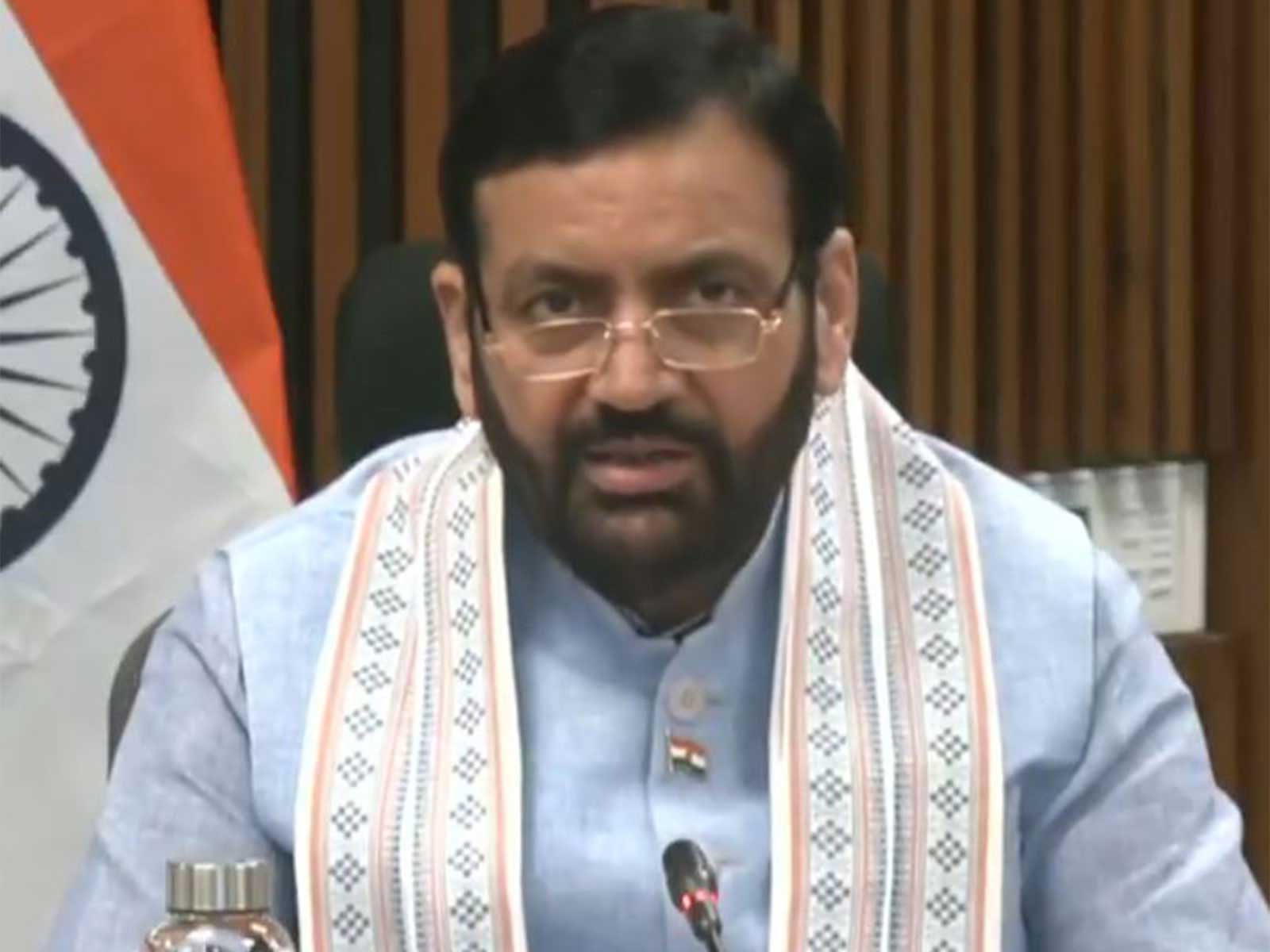
New Delhi [India], July 28 (ANI): The Haryana Cabinet, which met under the chairmanship of the Chief Minister Nayab Singh Saini, on Tuesday, accorded in-principle approval to a new, simplified and transparent methodology for levy of property tax on buildings and lands within the limits of Municipal Corporations, Municipal Councils and Municipal Committees across the State.
The new methodology, notified separately for Municipal Corporations under the Haryana Municipal Corporation Act, 1994 and for Municipal Councils and Committees under the Haryana Municipal Act, 1973, supersedes the property tax notifications of 2013 and introduces a uniform, formula-based system of assessment across all Urban Local Bodies (ULBs) in the State, a release said.
It said the new system does away with discretionary and complex assessment procedures and replaces them with a clear, formula-driven method of calculating Capital Value based on Plot Area or Carpet Area, the applicable Collector Rate, and a Floor Factor.
Cities have been classified into four categories, which are A1 and A2 for Municipal Corporations, and B and C for Municipal Councils and Committees, with floor and ceiling tax rates prescribed for each category. This will bring greater predictability and transparency for property owners, while allowing municipalities the flexibility to fix rates within the prescribed limits based on local needs.
A usage-based Multiplication Factor has also been introduced, linking the tax liability to the size and nature of use of a property residential, commercial, industrial, institutional or special category ensuring that the tax burden is equitable and proportionate. To protect property owners from sudden increases, the rise in tax liability under the new system has been capped and will be phased in gradually until the fully revised assessed value is reached.
In the larger public interest, the new policy introduces wide-ranging exemptions from property tax, notably granting a 100% exemption to religious properties such as temples, churches, gurudwaras, and mosques that offer public services free of charge.
Additional exemptions cover municipal properties not leased or rented, orphanages, almshouses, cremation and burial grounds, dharamshalas, government educational institutions and hospitals, properties used exclusively for agriculture, and all Gaushalas, provided any commercial use is restricted to the sale of milk, dairy products, organic fertilisers, Bio-CNG/Biogas, cow dung, and cow urine.
Furthermore, self-occupied residential houses up to 250 square meters belonging to serving or ex-servicemen, paramilitary personnel, and families of deceased soldiers are also exempt. (ANI)
Related reading