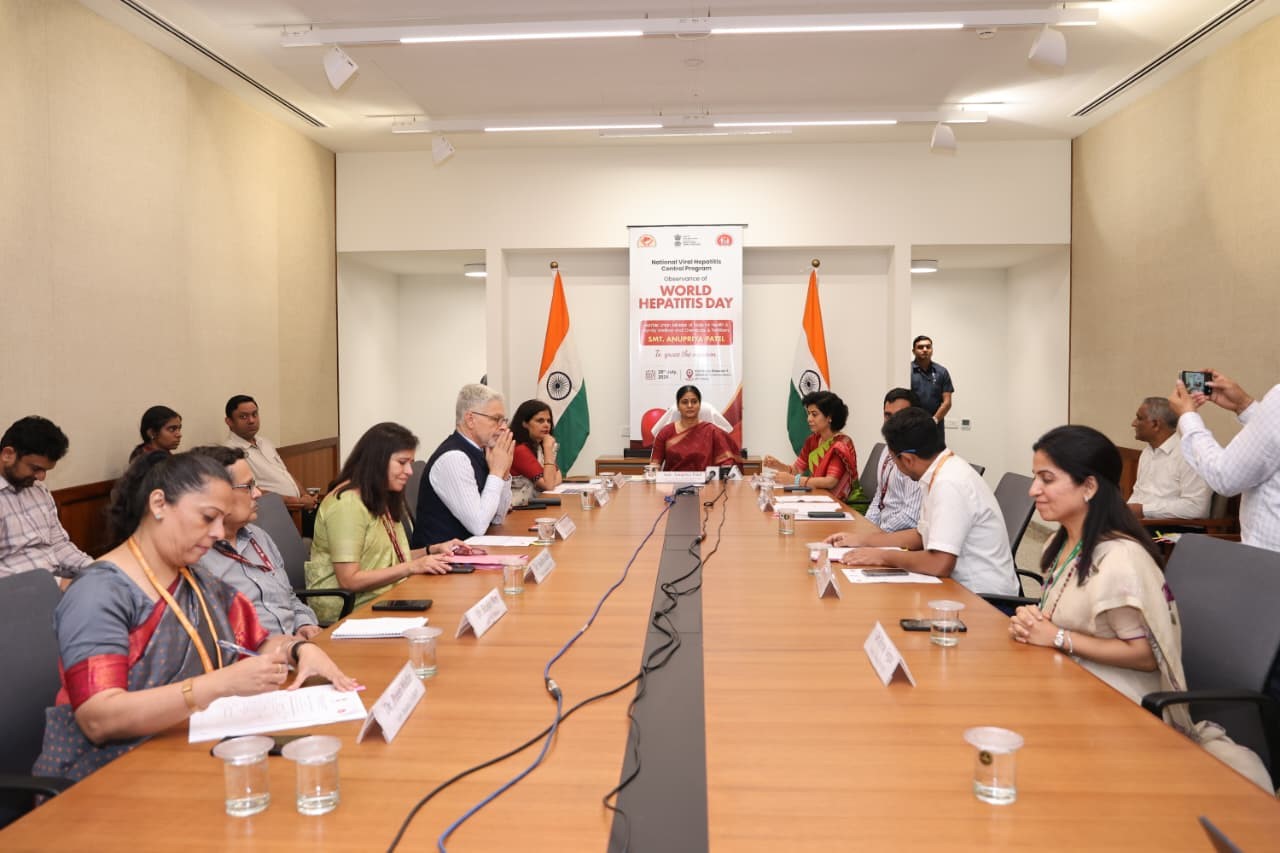
New Delhi [India], July 28 (ANI): The Union Ministry of Health and Family Welfare on Tuesday observed World Hepatitis Day 2026 under the global theme “Hepatitis: Let’s Break It Down”, marking eight years of the National Viral Hepatitis Control Programme (NVHCP), an official press release said.
Launched on World Hepatitis Day in 2018 under the National Health Mission, Ministry of Health and Family Welfare, the programme reflects India’s commitment to eliminating viral hepatitis as a public health threat by 2030, in line with Sustainable Development Goal (SDG) Target 3.3.
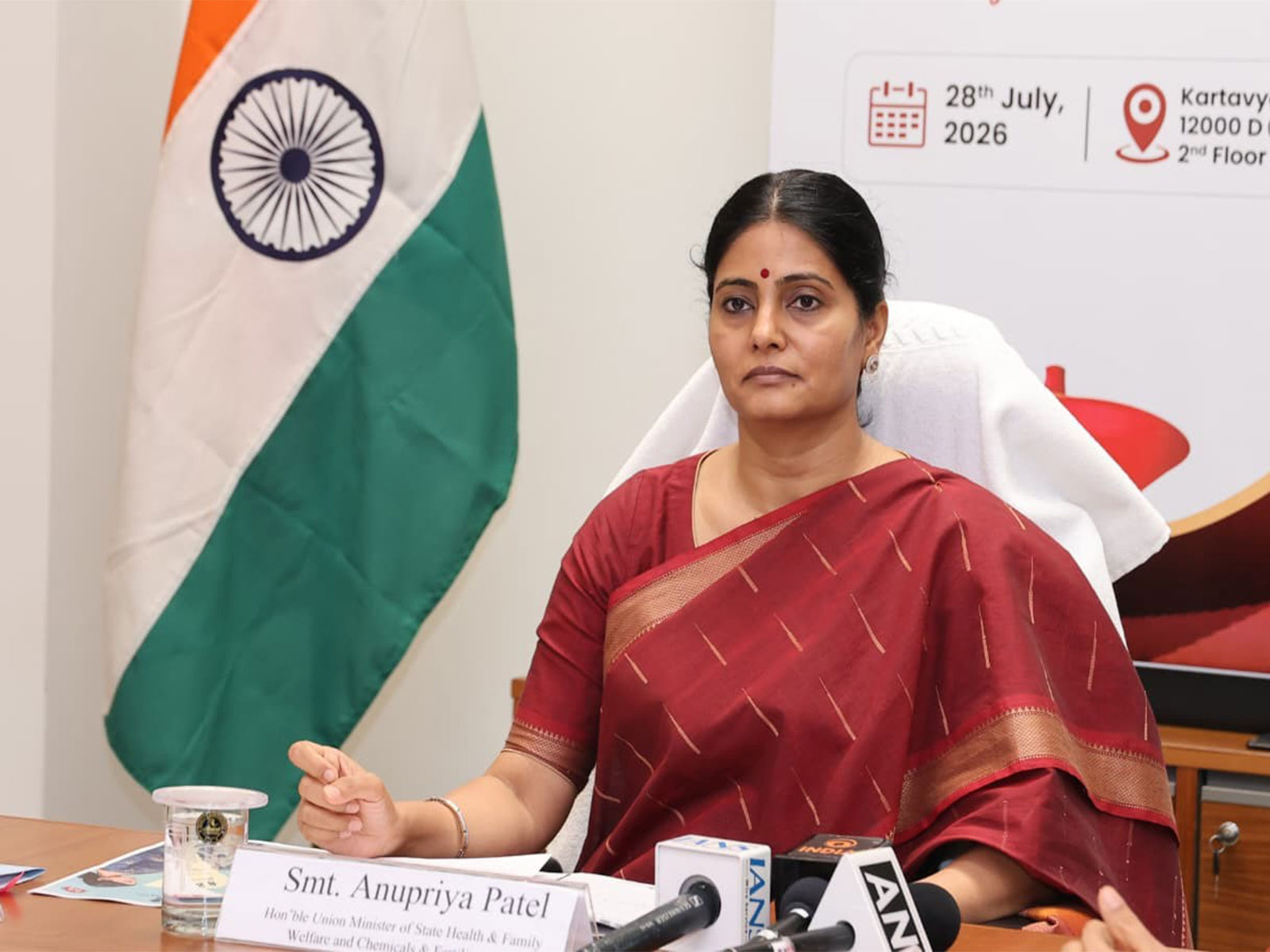
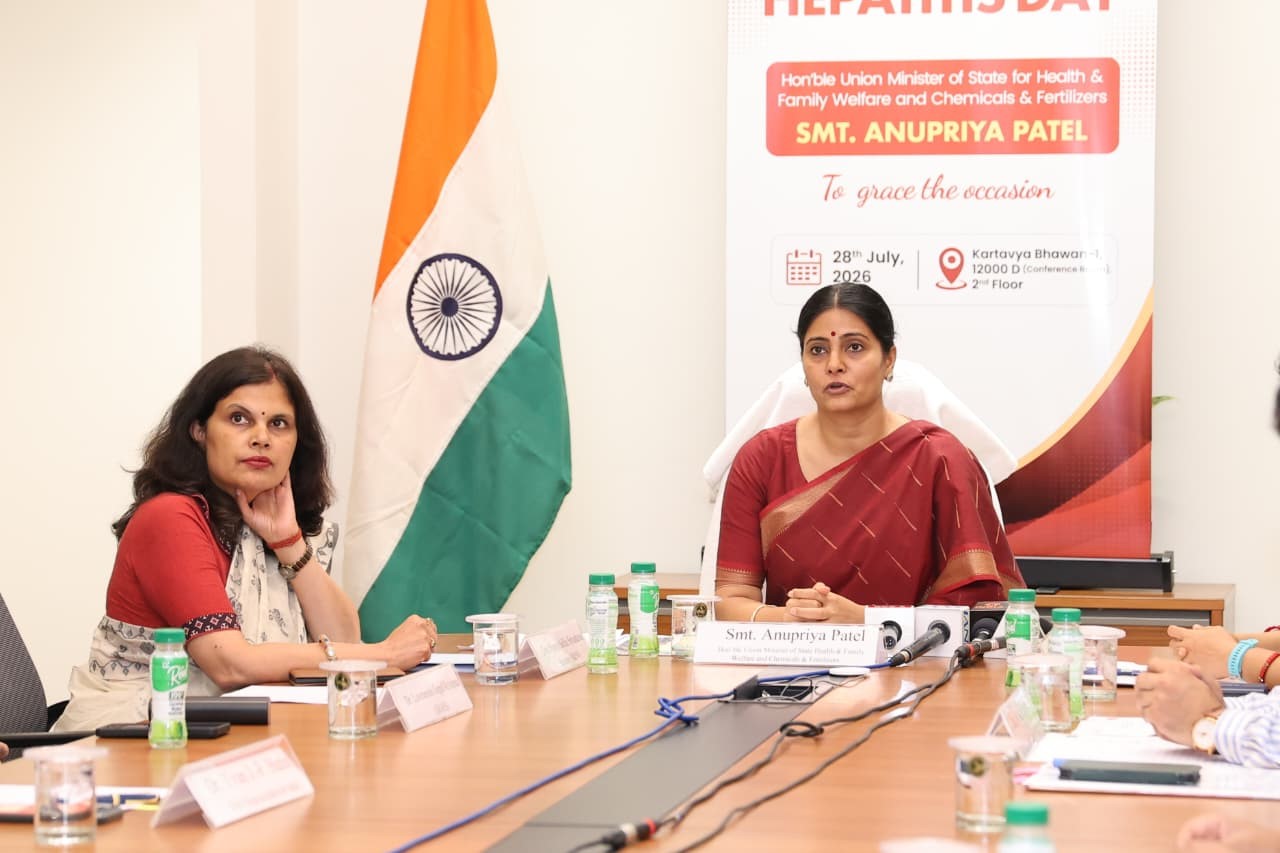
Union Minister of State for Health and Family Welfare & Chemicals and Fertilisers, Anupriya Patel, delivered the keynote address, reaffirmed the Government of India’s commitment to a Hepatitis-Mukt Bharat, and called for intensified efforts by the Government, States and all stakeholders to achieve the goal.
Delivering the keynote address, Anupriya Patel stated that “India is marking eight years of the National Viral Hepatitis Control Programme, during which substantial progress has been made in prevention, screening, diagnosis, treatment and follow-up.” She noted that “India is among the few countries providing free-of-cost treatment for Hepatitis C and management of Hepatitis B, while continuing to improve access and affordability of services.”
She further highlighted that “the cost of medicines has been reduced to less than one dollar, while quality diagnostics are being made increasingly accessible to facilitate early identification and timely treatment.”
The Minister said that the programme has been expanded in a phased manner. Initially, treatment services for uncomplicated cases were strengthened at district health facilities, while selected institutions were strengthened to provide referral services for complicated cases. Thereafter, screening and treatment services were expanded to the country’s network of more than 1.85 lakh Ayushman Arogya Mandirs, thereby expanding access to hepatitis services at the primary healthcare level.
Highlighting preventive interventions, Patel noted that “the Hepatitis B vaccine, introduced under the Universal Immunisation Programme in 2011, has achieved more than 92 per cent birth-dose coverage.”
She emphasised that “while around 65 per cent of pregnant women are currently being screened for Hepatitis B, States and Union Territories should work towards 100 percent screening to ensure timely administration of the Hepatitis B birth dose for all eligible newborns and Hepatitis B Immunoglobulin (HBIG) within 24 hours for newborns of Hepatitis B-positive mothers.”
The Minister also stressed the importance of vaccinating healthcare workers to prevent occupational transmission and called for focused interventions among high-risk populations to protect vulnerable groups from chronic liver disease and liver cancer.
Describing Hepatitis B and Hepatitis C as “silent killers”, she underlined the need to generate greater public awareness and urged States and Union Territories to educate communities that testing and treatment services are available at government health facilities.
Reaffirming that “health is a shared goal”, Patel said that “the Government of India, State Governments and all stakeholders must continue working together with renewed commitment to achieve the goal of eliminating viral hepatitis as a public health threat by 2030.” Expressing confidence in the country’s collective efforts, she stated that “sustained and intensified efforts would help realise the vision of a Hepatitis-Mukt Bharat.”
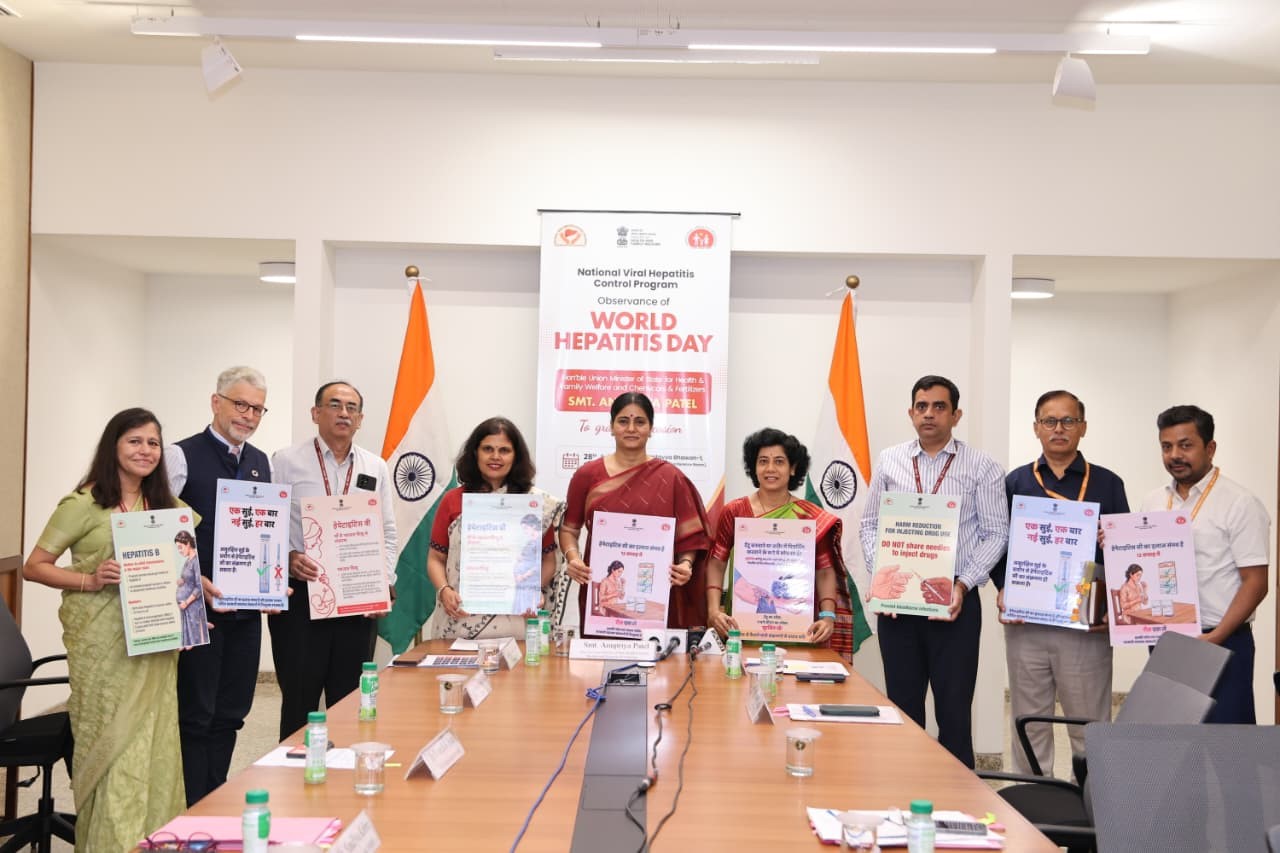
On the occasion, Patel also released Information, Education and Communication (IEC) materials, including posters on Hepatitis B and Hepatitis C, highlighting modes of transmission and services available under the National Viral Hepatitis Control Programme (NVHCP) for dissemination across States and Union Territories.
Addressing the gathering, Union Health Secretary, Punya Salila Srivastava, highlighted the significant progress achieved under the National Viral Hepatitis Control Programme. She informed that more than 21 crore beneficiaries have been screened, while over 6 lakh patients have received free treatment under the programme.
The Union Health Secretary highlighted that “the programme has surpassed its target of establishing one treatment centre in every district. With the support of States and Union Territories, the country now has 1,153 treatment centres, including more than 70 specialised treatment sites providing advanced care.” She also emphasised that “these achievements have been possible through a whole-of-government, whole-of-ministry and whole-of-society approach.”
Emphasising the programme’s convergence-based implementation, Srivastava underlined that the National AIDS Control Programme supports outreach to high-risk populations, while the Universal Immunisation Programme provides the Hepatitis B birth dose as well as vaccination of healthcare workers. She further highlighted that maternal health programmes prevent mother-to-child transmission through antenatal screening of pregnant women and administration of HBIG to newborns of Hepatitis B-positive mothers.
She informed that as a result of these coordinated efforts, more than 7.64 crore pregnant women have been screened, while 2.24 lakh newborns born to Hepatitis B-positive mothers have received HBIG. Stressing the need for intensified efforts, she called for identification and linkage to care of every infected individual and emphasised effective utilisation of the NVHCP Case-Based Management Information System (CPMIS), integrated with the Ayushman Bharat Digital Mission (ABDM), to strengthen patient tracking, treatment and follow-up, thereby helping prevent further transmission of the disease.
Speaking on the occasion, Additional Secretary and Mission Director, NHM, Aradhana Patnaik, highlighted that the National Viral Hepatitis Control Programme focuses on Hepatitis B and Hepatitis C, with interventions aimed at preventing mother-to-child transmission of Hepatitis B through antenatal screening and HBIG administration to newborns of infected mothers, and ensuring early detection and treatment of Hepatitis C, particularly among high-risk groups, including Injecting Drug Users (IDUs).
She further noted that the programme is being implemented through convergence with the Reproductive and Child Health (RCH) Programme and the National AIDS Control Programme, while expanding its convergence towards achieving the Sustainable Development Goals (SDGs). She also added that the IEC materials released during the event would strengthen awareness and outreach efforts across States and Union Territories.
The Director General of Health Services (DGHS), Lavneet Gopal Krishna; Joint Secretary, National Viral Hepatitis Control Programme (NVHCP), Nikhil Gajraj; WHO Representative to India, Yvan J.-F. Hutin; Deputy Commissioner, NVHCP, Sandhya Kabra; Additional Chief Secretaries (Health) and senior officers of the Ministry were also present on the occasion.
The event was also attended virtually by Principal Secretaries (Health), Mission Directors from States and Union Territories, programme officers, experts and other stakeholders. (ANI)
Related reading