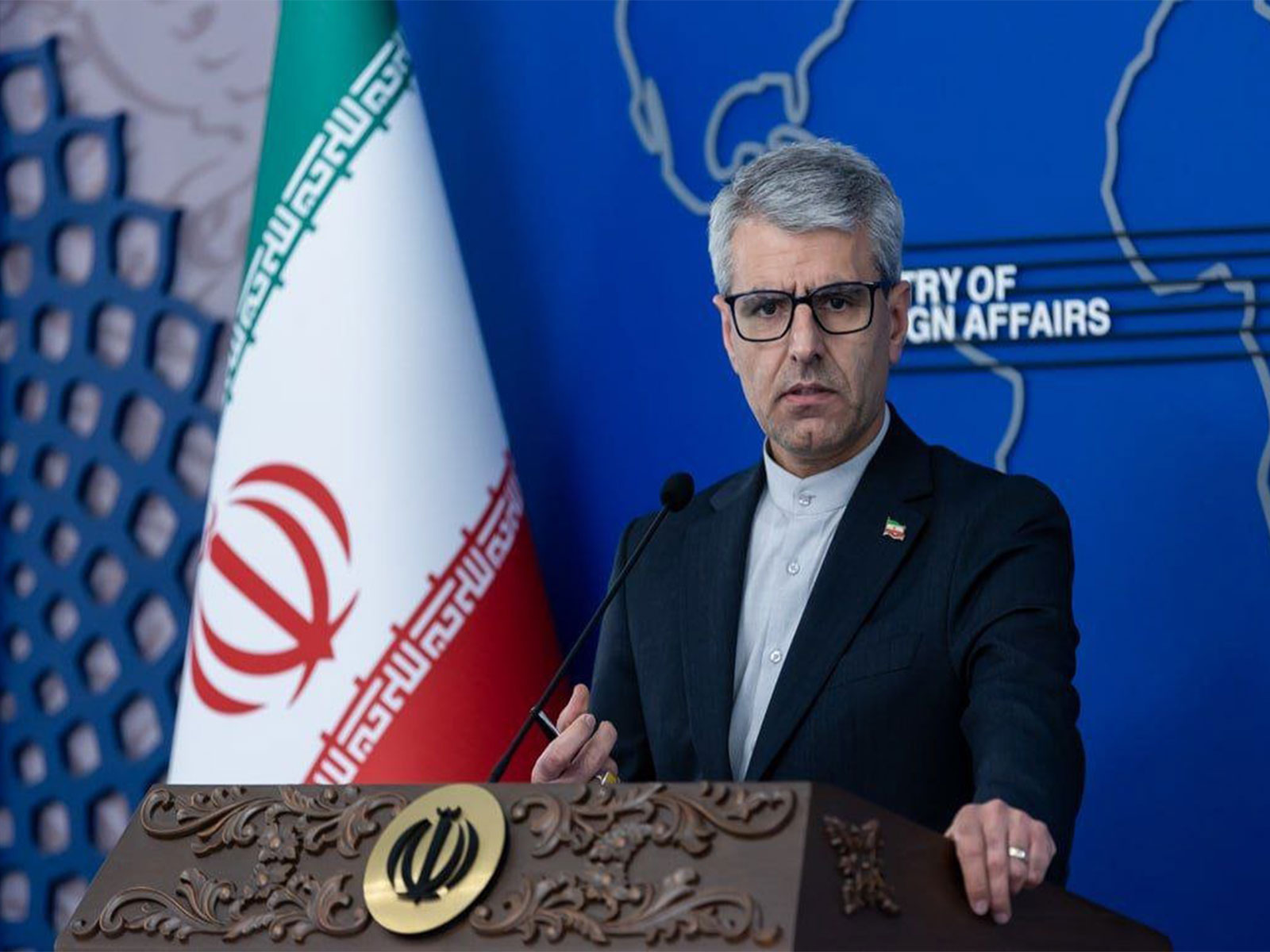
Tehran [Iran], July 23 (ANI): Iranian Foreign Ministry spokesman Esmaeil Baghaei launched a scathing attack on the United States, accusing the American administration of intending to “sacrifice whatever remains of international humanitarian law and the foundations of human ethics and civilisation to its insatiable appetite for war and slaughter”.
Criticising Washington’s aggressive posture, Baghaei claimed that the US leadership is actively pursuing “a policy that calls for the destruction of bridges and power plants, which is manifestly unlawful and criminal”.
Denouncing the strategy in sharp terms, the Iranian official stated that targeting civilian infrastructure amounts to grave violations under legal principles. “It constitutes reprisal and collective punishment, both of which are explicitly prohibited as war crimes under international humanitarian law,” he added.
In a direct appeal to American military personnel, Baghaei urged troops to refuse unlawful orders, while firmly reiterating Tehran’s stance that Iran would remain resolute “against lawlessness”.
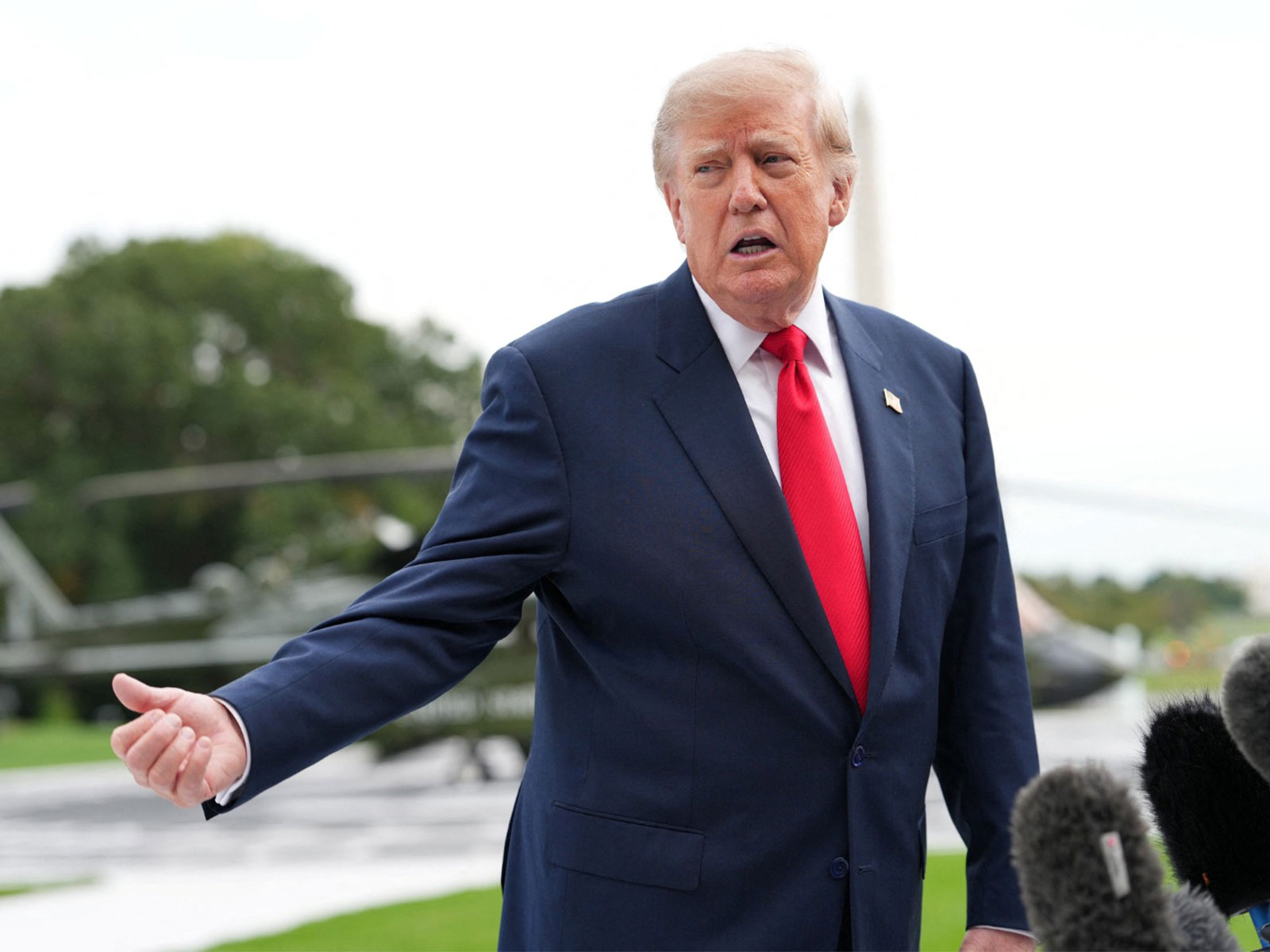
The spokesman’s remarks come as the standoff between Washington and Tehran escalates sharply over the Strait of Hormuz. US President Donald Trump sparked the fresh row after posting on social media that Washington would “bomb and destroy one bridge or power plant” each time Iranian forces target a vessel navigating the vital waterway.
Responding to Trump’s declaration, a senior Iranian official warned through Iran’s semi-official Tasnim News Agency that any American strikes on domestic assets would trigger immediate regional retaliation.
“If the Americans target an Iranian bridge or power plant, Iran will respond by striking infrastructure and bridges across the region, including energy facilities in which the United States has interests,” the senior official was quoted as saying.
Asserting that Washington should already recognise Tehran’s operational reach, the official added: “The Americans should by now, after these past 10 days, be fully convinced that Iran strikes wherever it decides to strike. Therefore, any such gamble by Trump will once again end in his embarrassment.”
Reaffirming Tehran’s posture over the critical energy transit corridor, the official maintained that Iran would continue to “exercise its sovereignty over the Strait of Hormuz” and “will not relinquish (its) firm resolve to control the Strait.”
Reflecting the government’s overarching stance, Iranian Foreign Minister Seyed Abbas Araghchi reiterated Tehran’s “eye for an eye” doctrine, posting on X that “any aggression against Iran, including our infrastructure, will compel a powerful and decisive response”.
This high-stakes rhetorical exchange unfolds against a backdrop of continuous military action on the ground. The US military confirmed executing its 12th consecutive night of aerial strikes inside Iran, stating that operations are targeted at degrading Tehran’s capability to threaten commercial shipping.
Meanwhile, Iranian state media reported that recent American missile strikes hit several locations in western Iran, including Ahvaz, Ramshir and Andimeshk. In Khuzestan, local officials confirmed that emergency response teams are maintaining relief operations following a missile strike on the Shalamcheh border crossing, where outlets Rasd Akhbar Shehaba and IRIB News reported an initial death toll of three.
Concurrently, maritime friction continues to build in the waterway itself. Iran’s Revolutionary Guard Corps claimed to have intercepted three oil tankers attempting to navigate the Strait of Hormuz, alleging that one vessel exploded and caught fire while the other two altered course, a claim that remains independently unverified. (ANI)
Related reading