New Delhi [India], July 17 (ANI): India’s housing segment is estimated to remain major growth driver for India’s cement industry over FY26E-FY30E, supported by factors including rising rural incomes and favourable affordability, as per a report by Nirmal Bang.
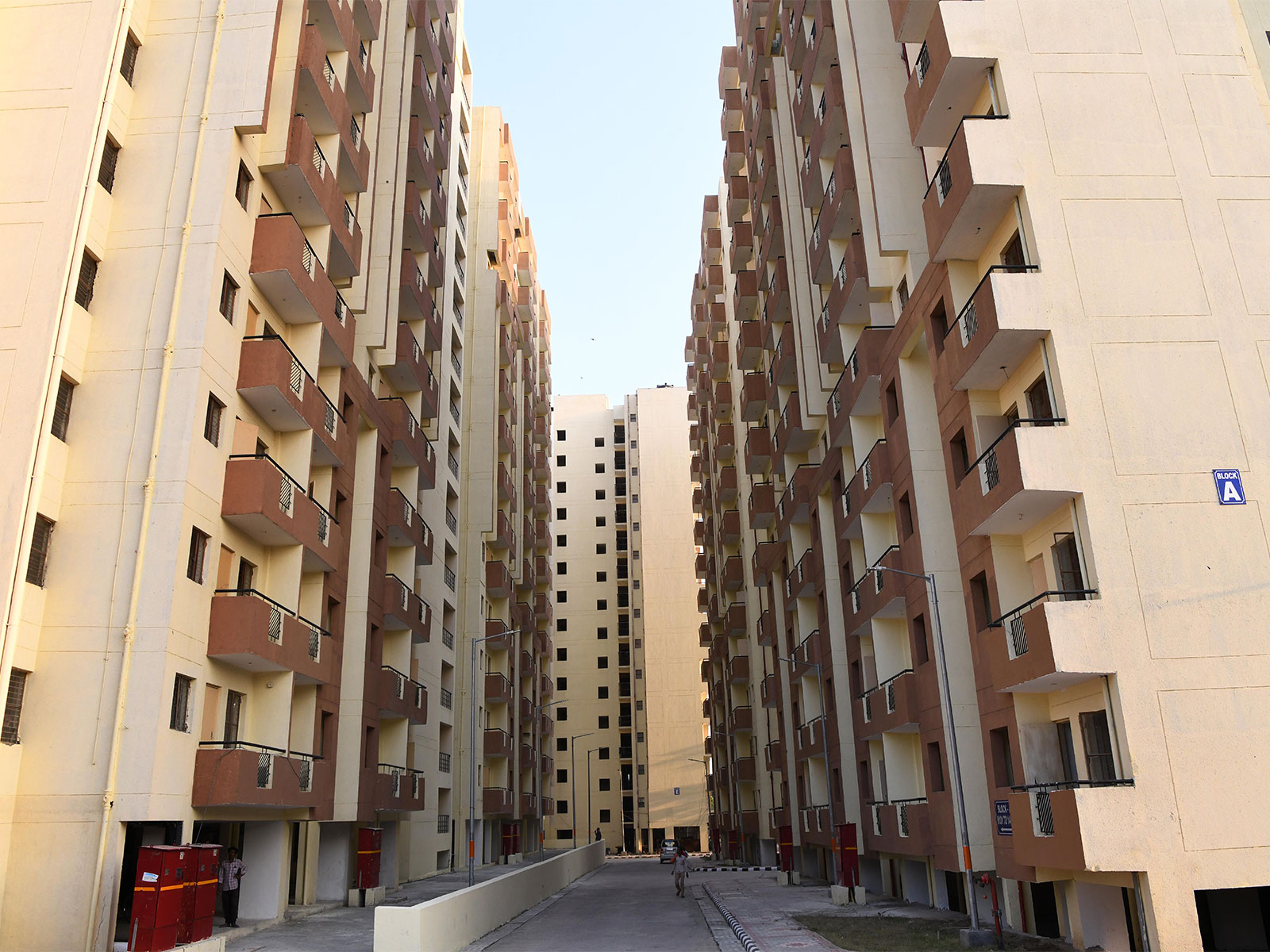
According to the report, the housing sector continues to be the largest demand driver for India’s cement industry, accounting for around 69 per cent of total cement consumption, followed by infrastructure at about 21 per cent, with the remaining demand coming from the industrial and commercial segments.
“We expect the housing segment to remain the primary growth engine over FY26E-FY30E, supported by rising rural incomes, favourable affordability, and continued government focus on affordable housing under the ‘Housing for All’ initiative.”
The report said the housing sector is supported by PMAY-U 2.0, improving affordability, lower interest rates, resilient rural demand and a recovery in urban residential activity. As per the report, the rising rural incomes, urbanisation and higher per capita income will likely provide sustained support to housing demand, while India’s low per capita cement consumption offers significant long-term growth potential.
Additionally, within the housing segment, rural demand, which accounts for around 36 per cent of total cement consumption, has remained resilient since CY17, supported by improving farm incomes and government welfare schemes.
Urban housing — contributing about 33 per cent of total consumption — has seen a strong post-pandemic recovery, driven by lower inventory levels, robust residential launches and sustained demand across major cities.
Nirmal Bang forecasts housing-led cement demand to grow at a CAGR of ~7% over FY26E-FY30E.
Noting Indian cement industry is entering a sustained investment cycle, with organic expansion emerging as the preferred growth strategy over acquisitions, Nirmal Bang said, “We expect India’s cement demand to grow at a healthy ~7-8 per cent CAGR over FY27E-FY30E, driven by a sustained recovery in housing, infrastructure, and private capex,” it said. (ANI)
Related reading