
New Delhi [India], July 14 (ANI): India’s consumer price inflation (CPI) is likely to average around 5 per cent in FY27, with the Reserve Bank of India (RBI) expected to maintain a prolonged pause in interest rates as a stable rupee and improving foreign inflows help keep broader price pressures under control, according to an SBI Research report.
The report said inflation is expected to remain elevated during the middle of the fiscal year before easing later in the year. It projected CPI inflation at 5.1 per cent in the second quarter, 5.7 per cent in the third quarter and 5.1 per cent in the fourth quarter, resulting in an annual average of 5 per cent for FY27.
Highlighting the importance of external factors, the report said, “Understanding the imported inflation component and calibrating it against the exchange rate dynamics thus assumes significance,” while adding that it expects “a prolonged pause in rates in FY27.”
The report also noted that while the RBI’s outstanding net forward position increased to USD 106.6 billion in May 2026 from USD 95.3 billion in April, higher demand in both the spot and forward merchant markets also kept pressure on the currency, explaining why the rupee has not strengthened despite strong inflows.
The report came after headline CPI inflation rose to 4.38 per cent year-on-year in June 2026 from 3.93 per cent in May. The increase was driven mainly by food prices, transport costs and services inflation. Core inflation, as per the new classification, also rose to 4.21 per cent.
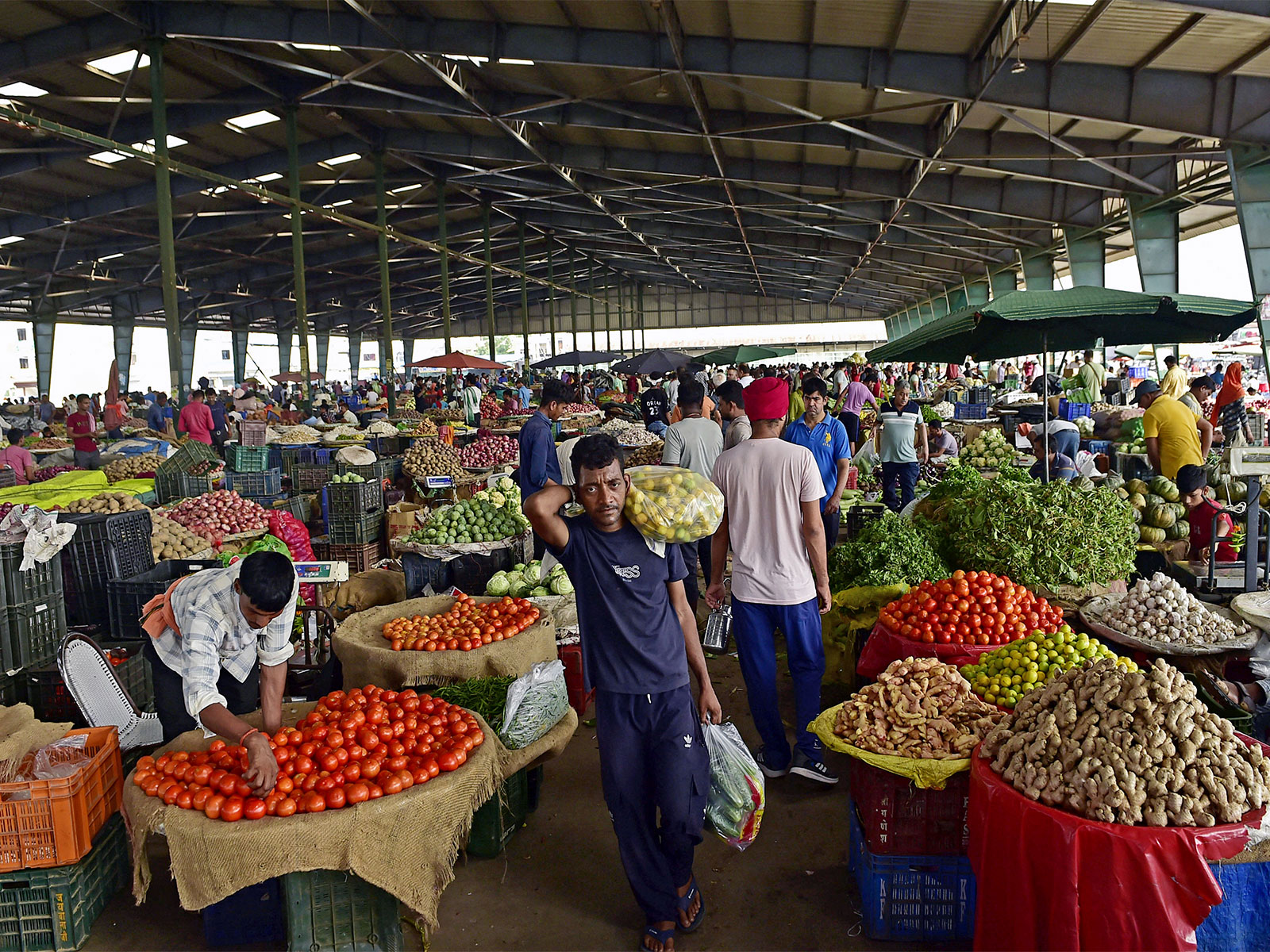
Transport inflation recorded the sharpest increase, rising to 4.3 per cent in June from 1.8 per cent in May, while restaurants and accommodation inflation increased to 6.9 per cent. Food and beverages inflation also moved higher to 5.1 per cent, making them a key contributor to the increase in headline inflation.
The report added that inflation increased in both rural and urban India, with rural CPI rising to 4.74 per cent and urban inflation to 3.92 per cent in June. It said the inflation outlook will depend not only on domestic food prices but also on global commodity trends and exchange rate movements, with the strength of the rupee expected to remain an important cushion against imported inflation risks. (ANI)
Related reading