Auckland [New Zealand], July 11 (ANI): Highlighting a unified front against global security threats, the Ministry of External Affairs (MEA) on Saturday stated that India and New Zealand are entirely like-minded partners in tackling terrorism and violent extremism, adding that their newly established Joint Working Group on Counter-Terrorism will facilitate seamless intelligence sharing.
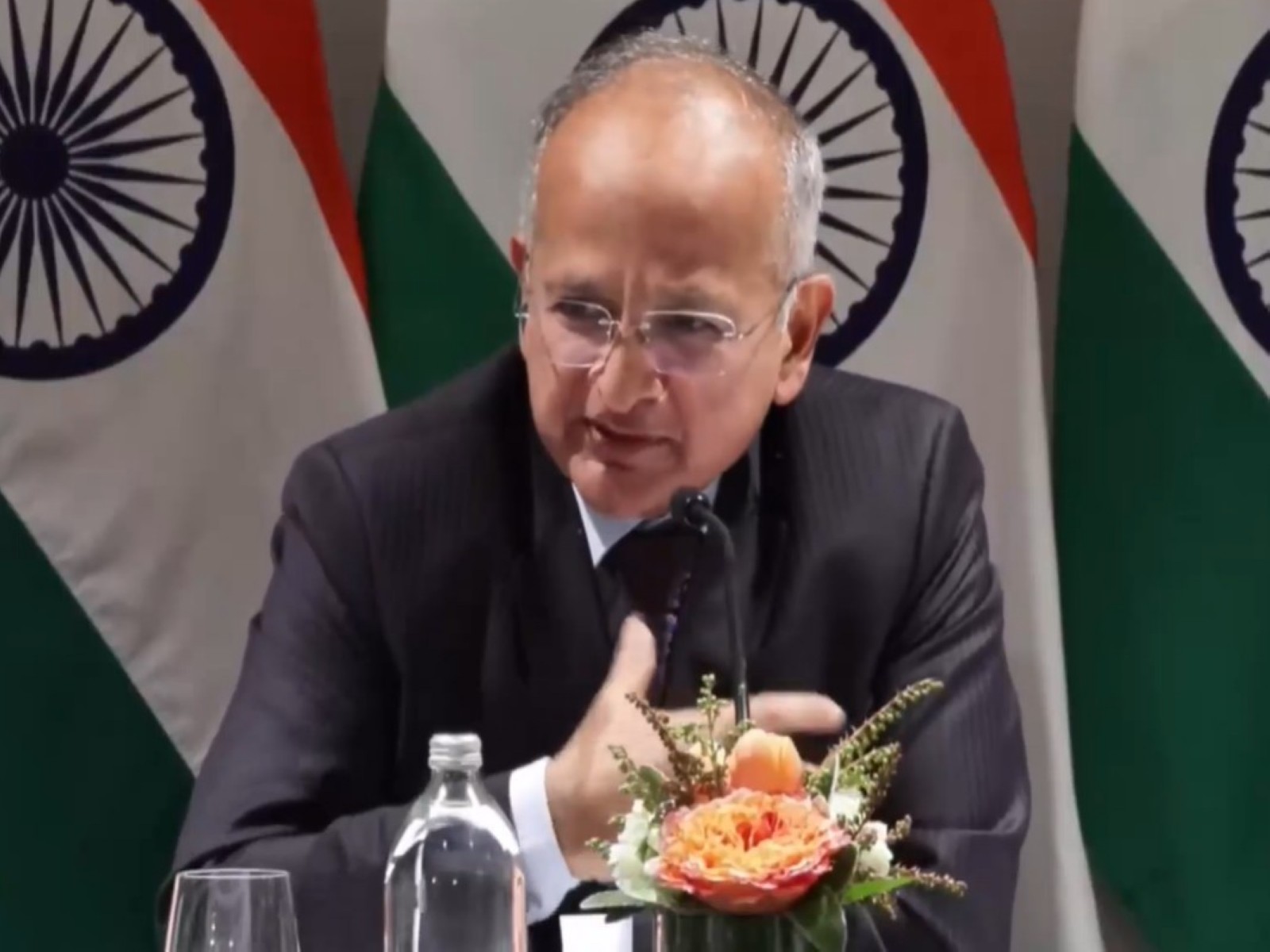
Addressing a special media briefing during Prime Minister Narendra Modi’s official visit to New Zealand, Secretary (East) in the MEA, Rudrendra Tandon, emphasised that this new institutional mechanism reflects a deep shared commitment to neutralising terror infrastructure.
“India’s position on terrorism and violent extremism is very well known. We will constantly remind the international community and our partners that this poses a significant threat to peace and security all over the world. We work with partners to tackle this scourge,” Tandon said.
Responding to queries regarding the strategic significance of the Joint Working Group–particularly in light of India’s concerns over anti-India activities, including the extremist Khalistan referendum held in New Zealand in 2024–Tandon stated that the framework is part of a broader, systemic push to isolate terror networks.
“The Joint Working Group that we are establishing with New Zealand is just one of the many steps. But New Zealand and India are fairly like-minded and tough on this entire issue of terrorism and violent extremism and the need to ensure the closest collaboration to defeat this threat,” he said.
Underlining India’s long-standing position on global security architecture, Tandon added, “We also know that there can be no double standard when you are tackling such a grave threat.”
The creation of the Joint Working Group comes under the freshly adopted “India-New Zealand Strategic Partnership: Roadmap to 2030.” The accompanying bilateral Joint Statement issued by Prime Minister Narendra Modi and his Kiwi counterpart Christopher Luxon expressed an “absolute condemnation of terrorism in all its forms and manifestations, including cross-border terrorism.”
The document specifically cited and condemned the terrorist attack in Pahalgam, Jammu and Kashmir, on April 22, 2025, and the terror incident near the Red Fort in New Delhi on November 10, 2025.
Calling for a rigid, “zero-tolerance and consistent approach,” the two leaders committed to disrupting terror financing networks, eliminating safe havens, and utilising multilateral forums like the Financial Action Task Force (FATF) to force immediate, concrete action against UN-proscribed terrorist organisations and their financial sponsors.
Beyond core counter-terrorism structures, the MEA confirmed that the overall strategic dialogue extended to maintaining a “free, open, peaceful, and prosperous Indo-Pacific region.” Both nations strongly backed freedom of navigation and overflight in accordance with the United Nations Convention on the Law of the Sea (UNCLOS) and called for comprehensive reforms within the UN Security Council. (ANI)
Related reading