
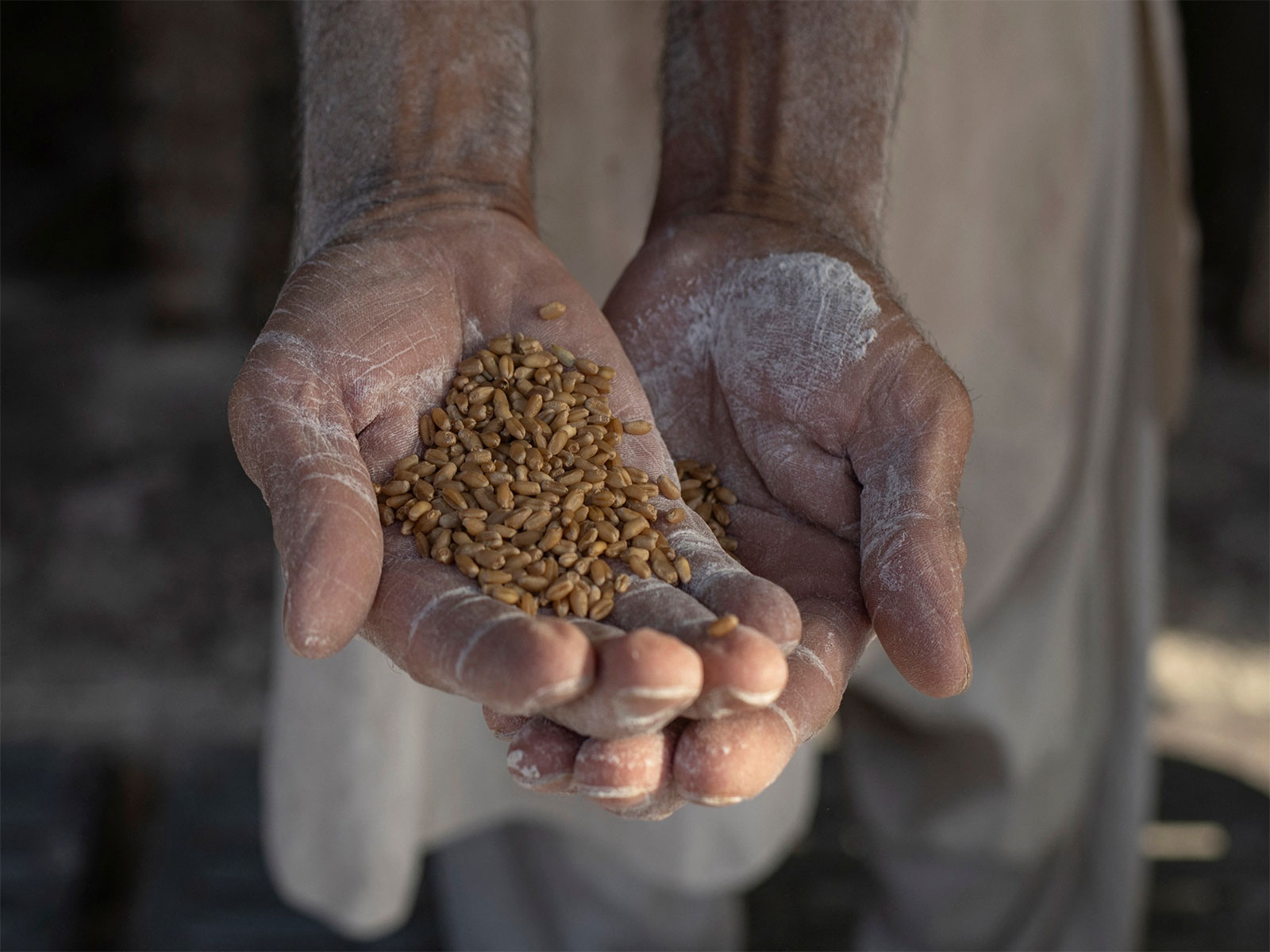
Karachi [Pakistan], July 10 (ANI): The widening disparity between government-fixed flour prices and prevailing market rates has intensified concerns over a potential flour supply crisis in Karachi, exposing growing flaws in Pakistan’s price control mechanism, as reported by The Express Tribune.
According to The Express Tribune, the Karachi administration has announced revised retail prices, setting regular flour at PKR 125 per kilogram, fine flour at PKR 135 per kilogram and chakki flour at PKR 145 per kilogram.
The notification also fixed wholesale prices of regular flour at PKR 122 per kilogram and fine flour at PKR 132 per kilogram, while maintaining the chakki flour price at PKR 145 per kilogram.
However, industry representatives have dismissed the official rates, arguing that they do not reflect the sharp increase in wheat costs.
Despite the government’s notification, flour continues to be sold at much higher prices across Karachi. Regular flour is reportedly retailing between PKR 145 and PKR 150 per kilogram, while fine flour is available in the range of PKR 160 to PKR 170 per kilogram.
Chakki flour is also being sold at approximately PKR 160 per kilogram, highlighting the widening disconnect between official price ceilings and actual market conditions.
Industry stakeholders have cautioned that the mismatch could disrupt flour supplies if authorities fail to revise the pricing policy.
Flour mill operators and chakki owners argue that the current government rates are financially unsustainable because wheat prices in the open market have surged considerably, leaving producers unable to recover production costs, as cited by The Express Tribune.
Chairman of the Flour Mills Association, Junaid Aziz, said millers had already informed the Sindh Food Department that they could not continue purchasing wheat at prevailing market prices while selling flour at rates fixed by the government.
He noted that wheat prices in the open market had climbed to around PKR 116 per kilogram and continued to fluctuate, making it increasingly difficult for mills to operate under the existing pricing framework, as reported by The Express Tribune. (ANI)
Related reading