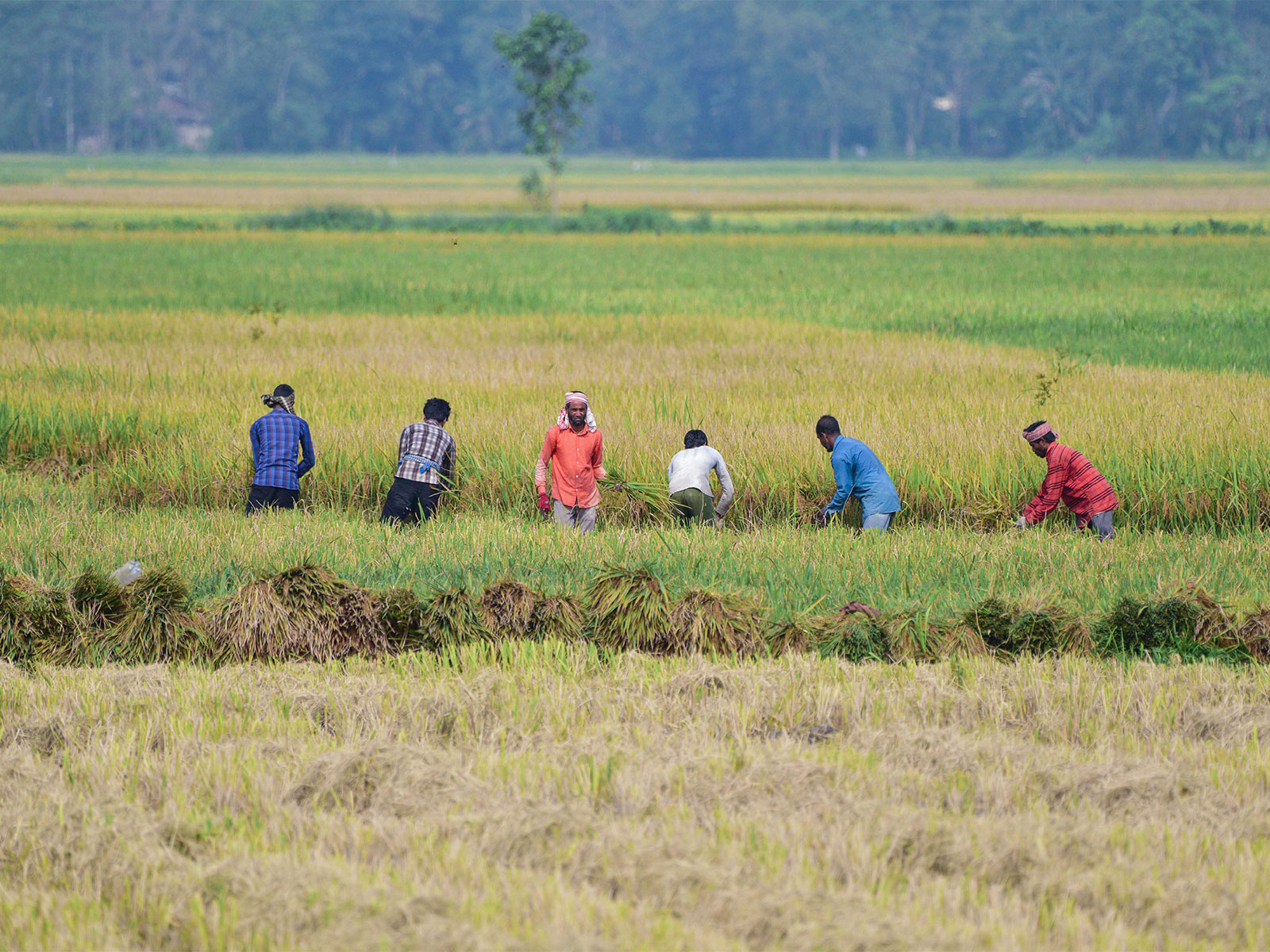
Mumbai (Maharashtra) [India], July 10 (ANI): A weak southwest monsoon could weigh on India’s rural economy in the coming months by reducing farm incomes, pushing up inflation and slowing rural demand, according to a report by S&P Global Ratings.
The report said sectors such as agriculture, agrochemicals, tractors, two-wheelers and microfinance are likely to be the most affected if rainfall remains below normal.
“India’s rural economy faces a dual threat: An unusually dry southwest monsoon and higher agro-input costs driven by geopolitical conflict. The agricultural sector is the most exposed, in S&P Global Ratings’ view,” the report said.
It said lower crop yields could reduce farmers’ incomes, leading to higher food prices and weaker demand for rural-focused products such as tractors and two-wheelers.
According to the report, a weak monsoon could also increase inflation, dampen rural consumption and put pressure on government finances. It added that hydroelectric power generation could decline by 10-15 per cent under such a scenario.
The report also flagged risks for the financial sector. It said banks may see slower credit growth and a modest deterioration in asset quality, though the overall impact on earnings is expected to be limited.
However, microfinance institutions (MFIs) are likely to face greater pressure because of their higher exposure to rural borrowers and relatively weaker borrower profiles.
Despite these risks, S&P Global Ratings said India’s financial system remains resilient.
“Microfinance institutions (MFIs) are more vulnerable than banks, and we anticipate a dip in agriculture-linked asset quality. Still, there are offsetting factors. Other non-agricultural growth engines are emerging in India, and the financial system remains resilient.
Prudent underwriting and regulatory agility should contain broader credit risks, even if the monsoon fails to deliver,” said Geeta Chugh, Credit Analyst at S&P Global Ratings.
The report said that although a weak monsoon could affect several rural-linked sectors, stronger non-agricultural growth and the resilience of the financial system are expected to help limit broader economic risks. (ANI)
Related reading