
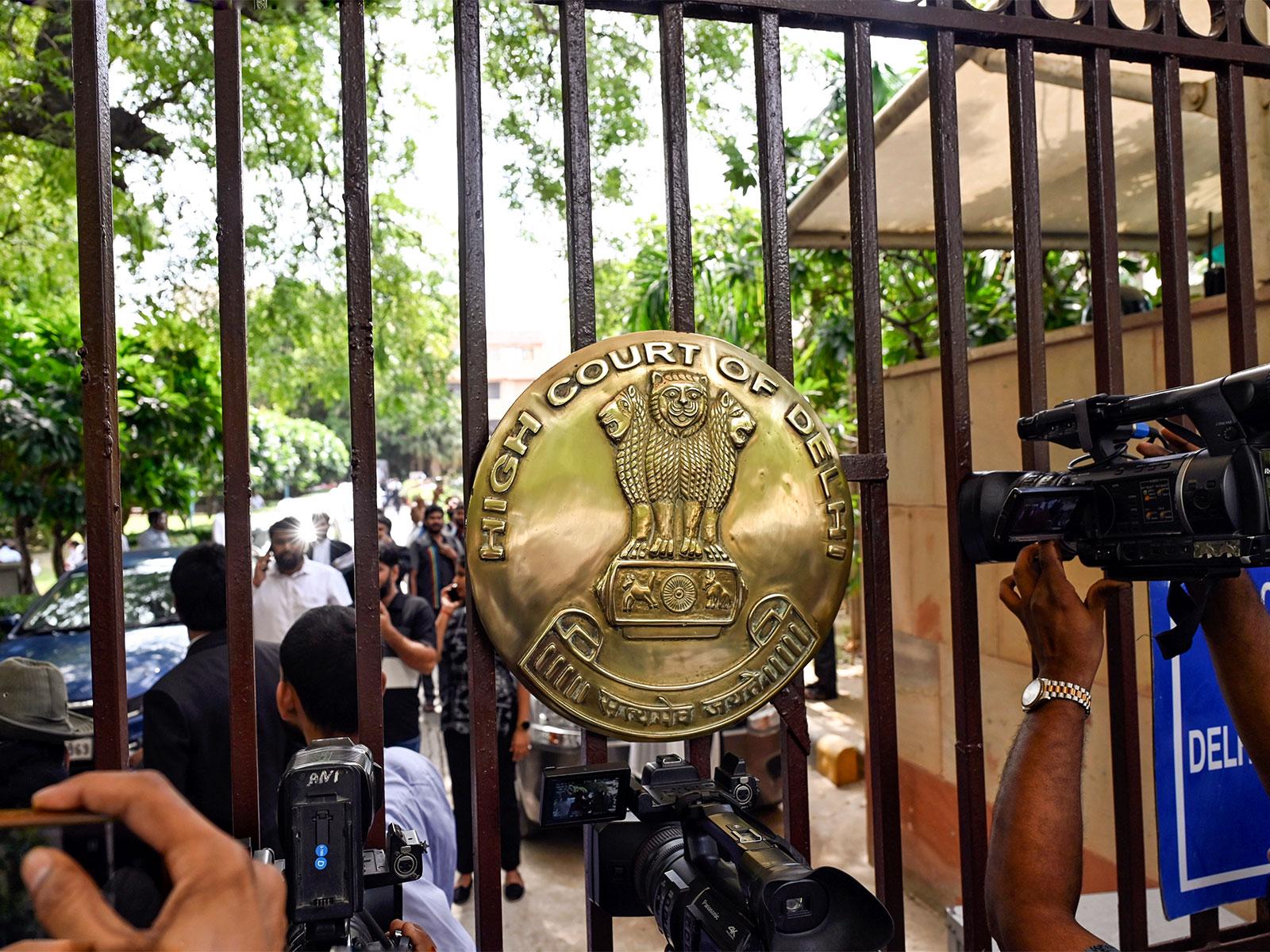
New Delhi [India] July 2 (ANI): The Delhi High Court has recognised and enforced a foreign arbitral award in favour of Spain-based Amadeus IT Group S.A. against Ebix Cash Limited and its guarantor Ebix Inc., holding that objections raised against enforcement did not fall within the limited statutory grounds available under the Arbitration and Conciliation Act, 1996.
Justice Jasmeet Singh delivered the judgment on a petition filed under Sections 47 to 49 of the Arbitration and Conciliation Act seeking recognition and enforcement of an ICC arbitral award dated February 17, 2022. The Court held that the award is enforceable in India to the extent of the outstanding amount of EUR9,713,912.52, which is approximately ₹104.55 crore.
As per the Judgement, Amadeus IT Group and Ebix Cash had entered into a Global Agreement in October 2019, under which Amadeus was to provide access to its travel technology platform for the Asia-Pacific region. Ebix Inc. had also executed a guarantee covering Ebix Cash’s obligations under the arrangement.
The agreement further provided for an advance incentive payment of around USD 15 million by Amadeus to Ebix Cash. Amadeus alleged that Ebix Cash failed to complete the proposed acquisition of Yatra Online within the stipulated timeline and did not achieve the agreed booking volumes, leading to termination of the agreement and invocation of arbitration under ICC Rules. Ebix Cash, however, argued before the tribunal that the alleged breaches were due to the COVID-19 pandemic and constituted force majeure.
The ICC Arbitral Tribunal, in its award dated February 17, 2022, ruled in favour of Amadeus and directed Ebix Cash to pay over EUR13.26 million, while also holding Ebix Inc. jointly and severally liable for certain amounts.
The Court noted that Amadeus had earlier initiated enforcement proceedings in the United States District Court for the Northern District of Georgia, which had confirmed the award. It also recorded that partial payments were made under a forbearance arrangement, but an outstanding balance remained unpaid, prompting enforcement proceedings in India.
Rejecting Ebix Cash’s objections on limitation, public policy, alleged extinguishment of liability, election of remedies and jurisdiction, the Court held that none of the grounds under Section 48 was made out. It further held that limitation begins from the date of communication of the signed award and found the petition filed within time.
The Court also rejected the contention that the transaction amounted to a factoring arrangement under Indian law, holding it was a commercial agreement linked to performance obligations and not an assignment of receivables.
Concluding that no statutory bar existed, the High Court recognised the award as enforceable in India and directed that it be treated as a decree for recovery of the outstanding amount. (ANI)
Related reading