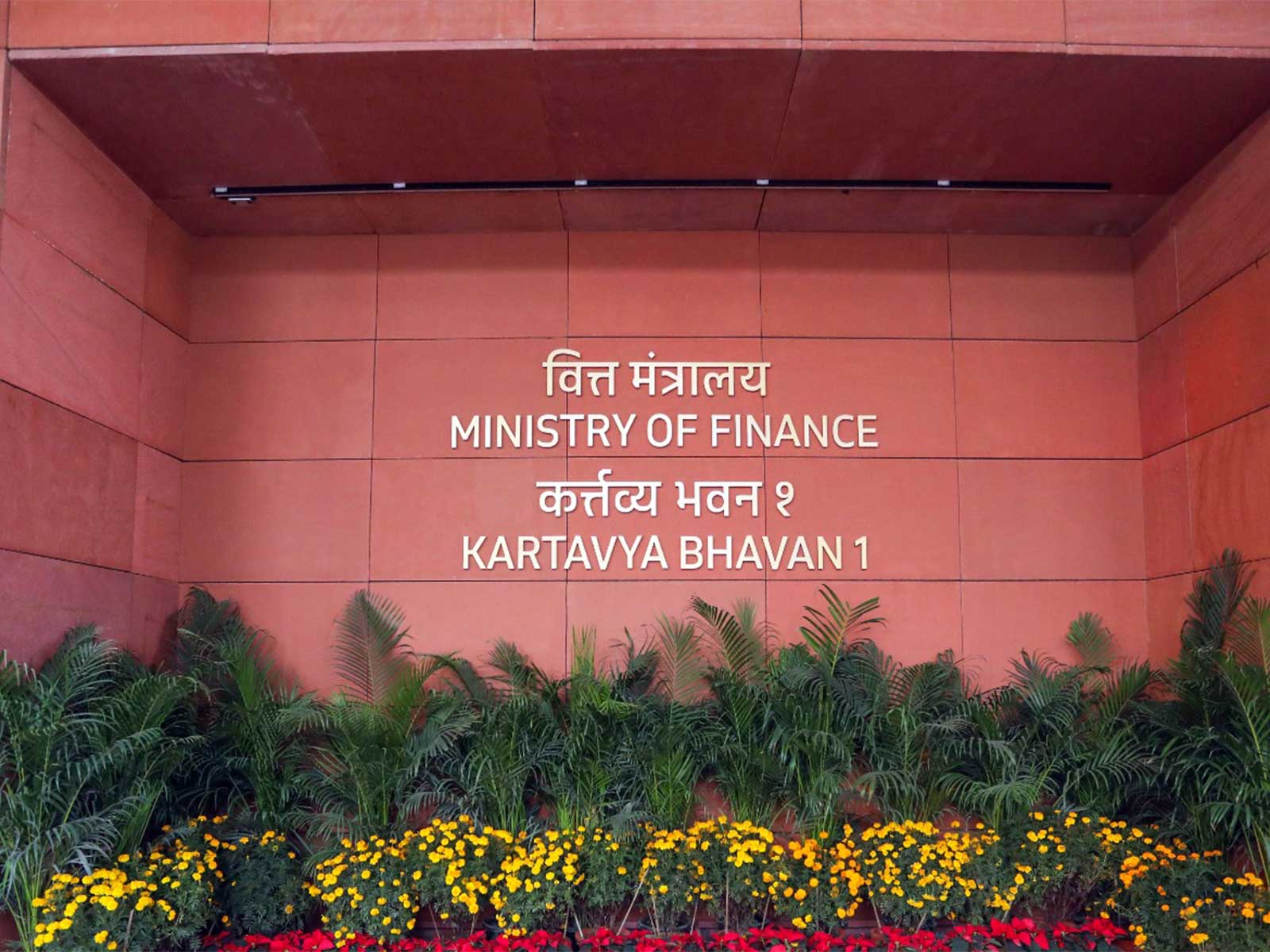
New Delhi [India], July 2 (ANI): The Centre’s fiscal position weakened in the first two months of FY27 as higher subsidy and interest outgo, coupled with muted revenue growth, pushed the fiscal deficit to Rs1.62 trillion, or 9.6 per cent of the full-year Budget Estimate (BE), according to a report by Equirus Securities.
The report said the deterioration was driven by a sharp rise in expenditure even as government receipts declined.
“GOI’s April-May FY27 fiscal deficit is Rs1.62 trillion – 9.6 per cent of BE vs Rs 0.1 trillion in the same period in FY26 due to approx 18 per cent y-o-y increase in total expenditure… while total receipts have declined by approx -2 per cent due to a decline in both tax and capital receipts,” the report said.
Despite the pressure on public finances, capital expenditure (capex) remained resilient during the period, although the pace of frontloading moderated compared with last year. Capex rose 13.4 per cent year-on-year in April-May and accounted for 20.5 per cent of the FY27 Budget Estimate, led primarily by spending on railways and transfers to states.
However, revenue growth emerged as a key concern. Gross tax revenue increased by only 1.8 per cent year-on-year as GST and excise collections contracted. Customs and corporate tax collections posted robust growth, but the report cautioned that customs revenue could soften if crude oil prices continue to decline. Income tax collections also remained subdued, raising concerns over the government’s ability to meet its annual targets.
The report highlighted that subsidy expenditure remains the biggest risk to the fiscal outlook. Fertiliser subsidies surged amid elevated global input prices linked to the West Asia conflict, while food subsidies also recorded a sharp increase because of higher procurement and minimum support prices (MSPs). Interest payments also continued to rise during the period.
The report noted, “Officials have flagged food and fertilizer subsidies could together reach Rs 6 trillion against a Rs 3.98 trillion BE… an overshoot that would likely force a consolidation in capex or other discretionary spending later in the year.”
Even so, Equirus believes easing global energy prices following the cooling of tensions in West Asia have improved the government’s fiscal outlook.
According to the report, “The fiscal deficit at 9.6 per cent of FY27 BE in April-May… looks alarming on the surface, but the sharp fall in global energy prices following the cooling of tensions in West Asia has meaningfully improved the outlook for the government’s fiscal position through the rest of FY27.”
It added that some expenditure consolidation may still be required to achieve the government’s fiscal deficit target of 4.3 per cent of GDP, with capital expenditure likely to bear the brunt of any adjustment if revenue collections fail to improve. (ANI)
Related reading