PNN
New Delhi [India], July 1: In recent years, more women are choosing to pursue higher education, build successful careers, achieve financial stability, or wait for the right life partner before starting a family. While these decisions are empowering, it is equally important to understand how age influences fertility. Although many women conceive naturally after the age of 35, fertility gradually declines with age, and the risk of pregnancy-related complications also increases. The good news is that advances in reproductive medicine, early fertility assessment, and healthy lifestyle choices have significantly improved the chances of achieving a successful pregnancy. On this Doctors’ Day, leading fertility experts share valuable insights on preserving reproductive health, recognising when to seek medical advice, and making informed decisions about family planning–helping women take charge of their fertility journey with confidence and awareness.
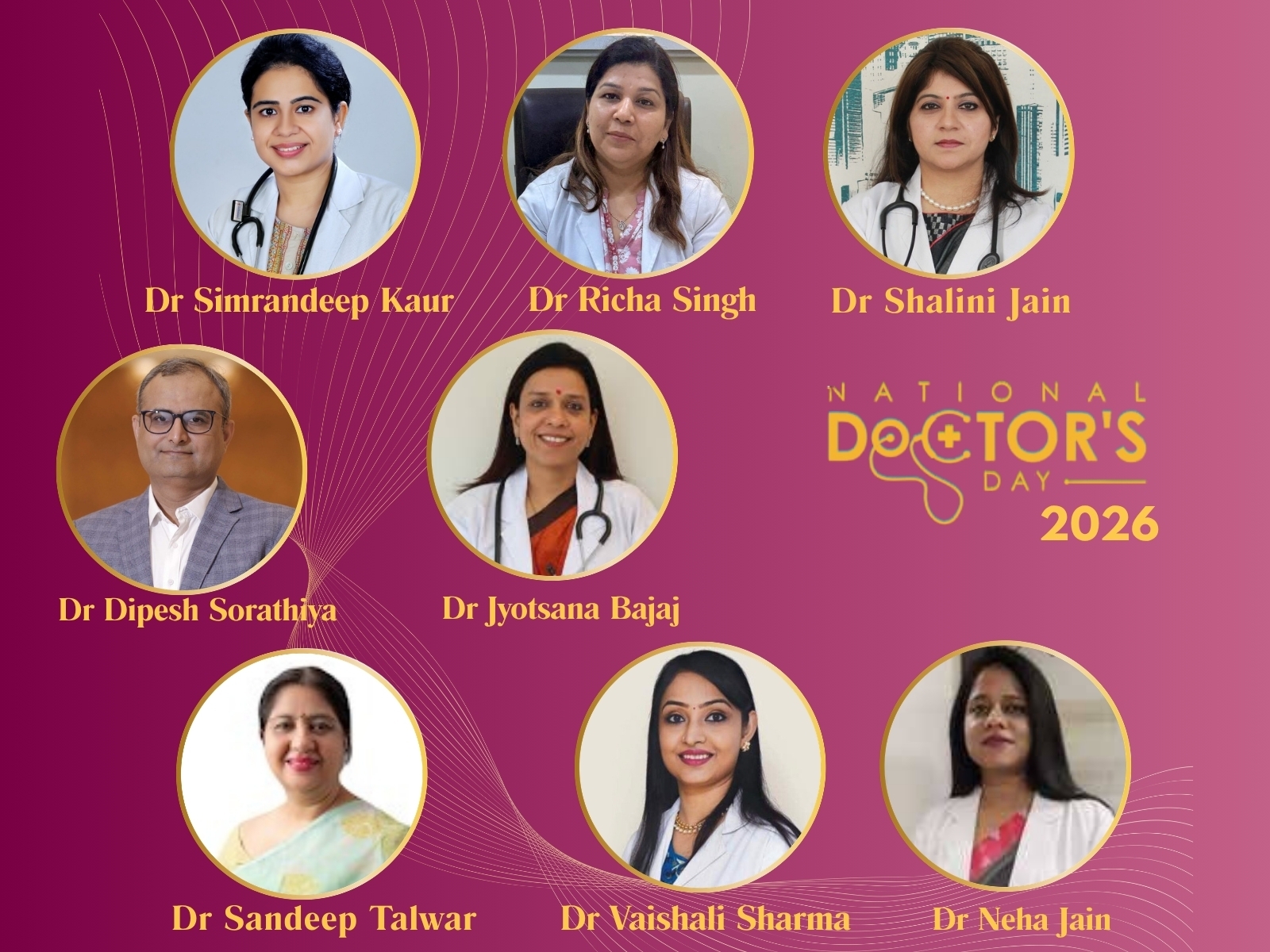
1. Dr. Dipesh Sorathiya, Director, Khushhi IVF & KD Hospital, Ahmedabad
Today’s women are more educated, financially independent, and career-oriented than ever before. Many choose to delay marriage or parenthood to pursue higher education, career goals, or personal aspirations. While these are empowering life choices, it is equally important to understand one biological reality–the female fertility clock.
A woman is born with a finite number of eggs, and both their quantity and quality decline with age, especially after 35. Research also suggests that Indian women may experience ovarian ageing earlier than their Western counterparts, making timely fertility planning even more important. As age advances, fertility decreases while the risks of miscarriage, chromosomal abnormalities, and pregnancy-related complications increase.
The good news is that awareness enables informed decisions. An early consultation with a fertility specialist, along with simple tests such as ovarian reserve assessment and ultrasound, can provide valuable insights into reproductive health. Modern fertility treatments, including IVF, ICSI, and fertility preservation through egg freezing, have transformed reproductive care. However, these treatments are most effective when undertaken at the right time.
This Doctors’ Day, my message to every woman is simple: don’t panic, and don’t postpone blindly–plan wisely. Understanding your fertility today helps preserve your choices for tomorrow and empowers you to make confident, informed decisions about motherhood.
2. Dr. Richa Singh, Founder & Director, Urvara Fertility Centre, Lucknow
You’re 35. Have You Checked Your Fertility Yet?
Turning 35 is often a milestone when many women are thriving in their careers, financially independent, and making life decisions on their own terms. However, one important aspect of health that is frequently overlooked is fertility.
Many women believe that having regular menstrual cycles means their fertility is normal. Unfortunately, this is not always the case. A woman’s ovarian reserve–the number of eggs remaining in her ovaries–naturally declines with age, with a more noticeable reduction after 35. Along with a decline in the number of eggs, their quality also decreases, making conception more challenging and increasing the risk of miscarriage and chromosomal abnormalities.
The encouraging news is that every woman’s fertility journey is unique, and the best way to understand your reproductive health is through a fertility evaluation. Simple tests such as the AMH blood test and an ultrasound to assess the antral follicle count can provide valuable insights into your ovarian reserve. If motherhood is not part of your immediate plans, discussing fertility preservation through egg freezing with a specialist can help safeguard your future reproductive options.
At Urvara Fertility Centre, Lucknow, we have helped many women preserve their fertility through egg freezing and supported successful pregnancies even in cases of low ovarian reserve.
Fertility awareness is not about creating fear–it is about empowering women with knowledge. Whether you plan to conceive now or later, understanding your fertility today enables informed choices for tomorrow. Don’t let your biological clock define your future; let awareness help you shape it with confidence and hope. www.urvarafertilitycentre.com
3. Dr. Sandeep Talwar, Senior Consultant, Nova Southend Fertility & IVF, New Delhi
As more women choose to pursue higher education, career growth, and personal goals before starting a family, pregnancy after the age of 35 has become increasingly common. While many women conceive naturally, it is important to understand that fertility gradually declines with age due to a decrease in both the quantity and quality of eggs. This can make conception more challenging and may increase the risk of pregnancy-related complications.
The key is not to panic but to plan. Regular gynaecological check-ups, a healthy lifestyle, timely fertility evaluations, and early consultation with a fertility specialist can make a significant difference. Modern reproductive technologies, including IVF, have enabled countless women to achieve successful pregnancies even after the age of 35.
On this Doctors’ Day, I encourage every woman to stay informed, prioritize her reproductive health, and seek expert guidance whenever needed. Awareness and timely action remain the strongest allies in the journey to parenthood.
4. Dr. Vaishali Sharma, MD (AIIMS), Gynaecologist, Laparoscopic Surgeon & Infertility Specialist, New Delhi
According to Dr. Vaishali Sharma, MD (AIIMS), COAG (Harvard), DSAGE (Germany), renowned Gynaecologist, Laparoscopic Surgeon & Infertility Specialist, the growing trend of delayed parenthood has made fertility awareness more important than ever. While many women successfully conceive after the age of 35, understanding the natural changes in reproductive health can help them make informed decisions about family planning.
Female fertility gradually declines with age as both the number and quality of eggs decrease, which may affect the chances of natural conception. However, timely consultation, regular health screenings, and a healthy lifestyle can significantly improve reproductive outcomes. Advances in minimally invasive surgery and assisted reproductive techniques have also expanded treatment options for women facing fertility challenges.
On this Doctors’ Day, Dr. Vaishali Sharma encourages women to prioritize their reproductive health, seek medical advice without delay when needed, and remember that awareness, early evaluation, and personalized care are the foundation of a successful fertility journey.
5. Dr. Jyotsana Bajaj, Fertility & IVF Specialist, Gynaecologist & Endoscopic Surgeon, New Delhi
Dr. Jyotsna Bajaj, a highly experienced fertility specialist and gynaecologist with over 15 years of clinical expertise in IVF, high-risk pregnancies, and endoscopic surgeries, emphasizes that changing lifestyles and career priorities have led many women to consider motherhood later in life. While pregnancy after 35 is increasingly common, understanding its biological implications is essential for informed decision-making.
As age advances, the natural decline in egg quality and ovarian reserve can make conception more challenging and may also increase pregnancy-related risks. However, Dr. Bajaj highlights that this does not mean motherhood is out of reach. With timely fertility evaluation, personalized treatment plans, and healthy lifestyle choices, many women can achieve successful pregnancies.
She further notes that advancements in IVF and minimally invasive reproductive techniques have significantly improved outcomes for women over 35. On this Doctors’ Day, Dr. Jyotsna Bajaj encourages women to prioritize early consultation, stay informed, and approach fertility planning with awareness and confidence.
6. Dr. Neha Jain, Director, Dr. Neha Jain’s Bliss & Bless Women’s Health Clinics & Dr. Jain’s Path Labs; Senior Consultant (Visiting), Sitaram Bhartia Institute of Science & Research, Rainbow Children’s Hospital, Cloudnine Hospital & Fortis Hospital, New Delhi
Dr. Neha Jain, Gynecologist & Obstetrician, emphasizes that women are increasingly choosing to start their families later in life due to personal, educational, and professional commitments. While pregnancy after the age of 35 is possible and often successful, understanding age-related changes in fertility is essential for making informed reproductive choices.
As women age, the quality and quantity of their eggs naturally decline, which may reduce the chances of conception and increase the likelihood of pregnancy-related complications. However, regular gynecological check-ups, a balanced lifestyle, and timely medical guidance can significantly improve reproductive health. Early fertility assessment also allows women to explore appropriate treatment options when required.
On this World Doctor’s Day, Dr. Neha Jain encourages women to stay proactive about their reproductive health, seek professional advice without hesitation, and remember that awareness, preventive care, and timely intervention are key to achieving a healthy and fulfilling journey to motherhood.
7. Dr. Simrandeep Kaur, MBBS, MD (Obstetrics & Gynaecology), Fellowship in Reproductive Medicine (Gold Medalist), Director – Reproductive Medicine, Infertility & IVF, GAD Advanced Ortho Gynae Clinics, Janakpuri, New Delhi; Visiting Consultant, Apollo Cradle Hospital & Fertility IVF Clinics
According to Dr. Simrandeep Kaur, MBBS, MD (Obstetrics & Gynaecology), Fertility Specialist, many women are choosing to plan pregnancy after the age of 35 due to personal, professional, and lifestyle reasons. While natural conception is still possible, fertility gradually declines with age due to a reduction in both the quantity and quality of eggs. After the age of 35, the chances of conditions such as irregular ovulation, miscarriage, and chromosomal abnormalities also increase.
However, Dr. Simrandeep Kaur emphasizes that with timely medical guidance, regular health check-ups, and fertility assessment, many women can achieve healthy pregnancies. Preconception counselling, a balanced lifestyle, weight management, and controlling underlying conditions such as thyroid disorders or diabetes play a crucial role. In cases where natural conception is delayed, assisted reproductive techniques can offer effective options. Awareness and early consultation remain key to making informed reproductive choices and ensuring safe motherhood.
8. Dr. Shalini Jain, Senior Consultant & Infertility Specialist, Arihant Hospital & Sunrise Life Care IVF Centre, Gurugram
According to Dr. Shalini Jain, Gynaecologist and Infertility Specialist, fertility is closely linked to age, and many women today are choosing to conceive after the age of 35 due to career goals, financial stability, or personal circumstances. While pregnancy after 35 is absolutely possible, it is important to understand that both egg quality and quantity naturally decline with age, which may affect the chances of conception and slightly increase pregnancy-related risks.
Dr. Shalini Jain advises women not to delay medical consultation if they are planning a pregnancy later in life. Early fertility assessment, regular health screening, and lifestyle modifications such as maintaining a healthy weight, balanced nutrition, stress management, and avoiding smoking or alcohol can significantly improve outcomes. In cases where natural conception is delayed, timely medical support and assisted reproductive treatments can offer effective solutions. Awareness and early planning are key to healthy motherhood.
(ADVERTORIAL DISCLAIMER: The above press release has been provided by PNN. ANI will not be responsible in any way for the content of the same.)
Related reading