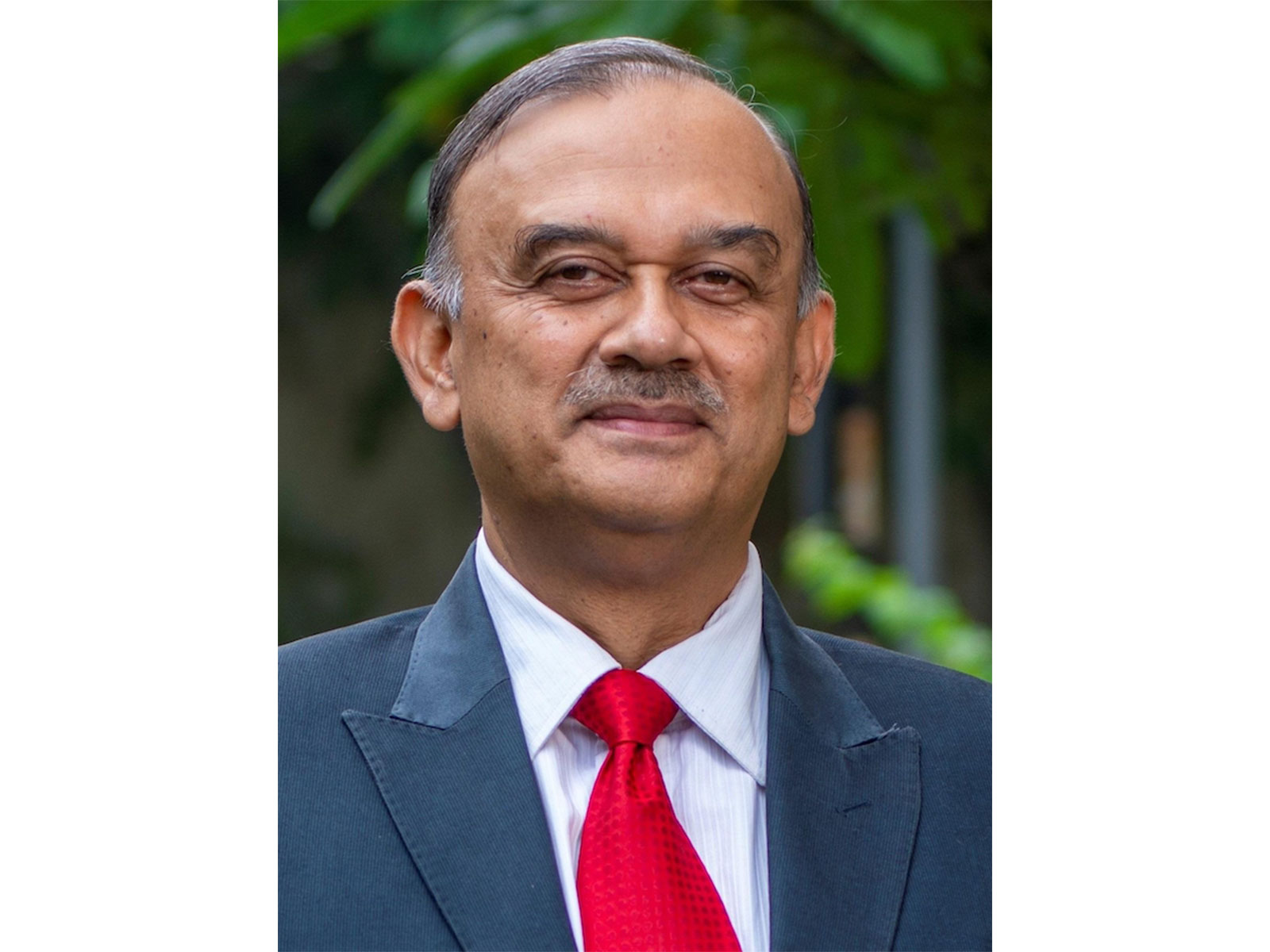
New Delhi [India], 29 June (ANI): Former HDFC Bank Non-Executive Chairman Atanu Chakraborty on Monday hit back at the bank’s external legal review that absolved the board of any wrongdoing, saying he was never given the Terms of Reference under which the law firms were appointed and that investors deserved genuine board introspection not just a compliance exercise.
Speaking to ANI in response to HDFC Bank’s stock exchange filing, Chakraborty said, “This refers to the stock exchange filing by HDFC Bank. I had asked them to come through the board of the bank and accordingly the Chair of HDFC asked me to speak to these lawyers named in the stock exchange filing. I further repeatedly requested the Chairman of the Board that I should be given the Terms of Reference under which these lawyers were appointed. The matter is very sensitive. However, despite my repeated requests, the Terms of Reference were never shared with me.”
Chakraborty drew a pointed distinction between legal compliance and genuine governance accountability: “A lawyer can only do the work of compliance check, while investors would have been happier if the Board had introspected on my resignation letter dated March 17, 2026 and shared their thinking.”
His remarks go to the heart of the controversy that what shareholders arguably needed was not a legal clean chit, but a transparent accounting from the board of one of India’s largest private sector banks on why its chairman chose to walk out.
HDFC Bank, in a stock exchange filing to BSE and NSE dated June 26, 2026, announced the conclusion of its external legal review, initiated after Chakraborty’s resignation on March 17, 2026.
The review was conducted by US-based Wilson Sonsini Goodrich & Rosati, P.C. and Indian firm Wadia Ghandy & Co. over three months, covering a two-year period preceding the resignation. The firms examined thousands of documents, Board and Committee meeting minutes, and conducted individual interviews with Independent Directors, the MD & CEO, and senior management.
The External Law Firms concluded that Chakraborty’s statement and “its implications were not substantiated by the record and witness interviews.” They specifically found no contemporaneous evidence in any minutes or materials that he had recorded dissent or raised concerns about values and ethics including on the so-called “Dubai matter” that Chakraborty had referenced in post-resignation public statements.
On the question of Chakraborty’s participation, the filing noted that both the bank and the law firms “repeatedly requested” that he speak with the external lawyers, but that “ultimately the interview with Mr. Chakraborty did not occur.”
The competing narratives present a striking picture. The bank says its lawyers asked Chakraborty to participate and he declined. Chakraborty says he sought the Terms of Reference before engaging and was never given them. Neither side appears to have blinked.
Chakraborty resigned as Non-Executive Part-Time Chairman on March 17, 2026. His resignation letter is understood to have contained remarks serious enough for the board to commission an international legal review within days. While the bank has not disclosed the letter’s full contents, Chakraborty’s subsequent references to a “Dubai matter” have sustained investor and media attention for months.
With the bank now declaring the review concluded and Chakraborty publicly questioning both the process and its adequacy, the governance controversy at one of India’s most closely watched banks shows little sign of fading quietly. (ANI)
Related reading