Victoria [Seychelles], June 29 (ANI): In a major diplomatic assertion that firmly refutes reports of any diplomatic thaw with Islamabad, India has categorically distanced itself from reported back-channel engagements with Pakistan, clarifying that such interactions hold no official sanctity or value for New Delhi.
The statement comes amid a complete freeze in bilateral ties, which plummeted to a historic low after Pakistani state-sponsored terrorists killed 26 civilians in Pahalgam, Jammu and Kashmir, in April 2025.
In response, India launched “Operation Sindoor” in May 2025, targeting terror camps, bases, and launchpads across Pakistan and Pakistan-occupied Kashmir (POK).
Following India’s retaliatory military action against the cross-border terror infrastructure, formal diplomatic ties between New Delhi and Islamabad remained frozen. Currently, only the hotline between the Directors General of Military Operations (DGMOs) of both countries remains operational.
Contextualising the current situation, certain media reports recently emerged claiming that unofficial back-channel and Track-2 diplomacy between India and Pakistan had intensified, shifting from dispute resolution to conflict management.
These media reports suggested that some Track-2 people-to-people connections might have taken place since late 2025.
More recently, reports and claims surfaced suggesting that top retired defence officials and some individuals close to the ruling dispensations of both countries had met in Colombo, Sri Lanka’s capital, on the sidelines of a security conference.
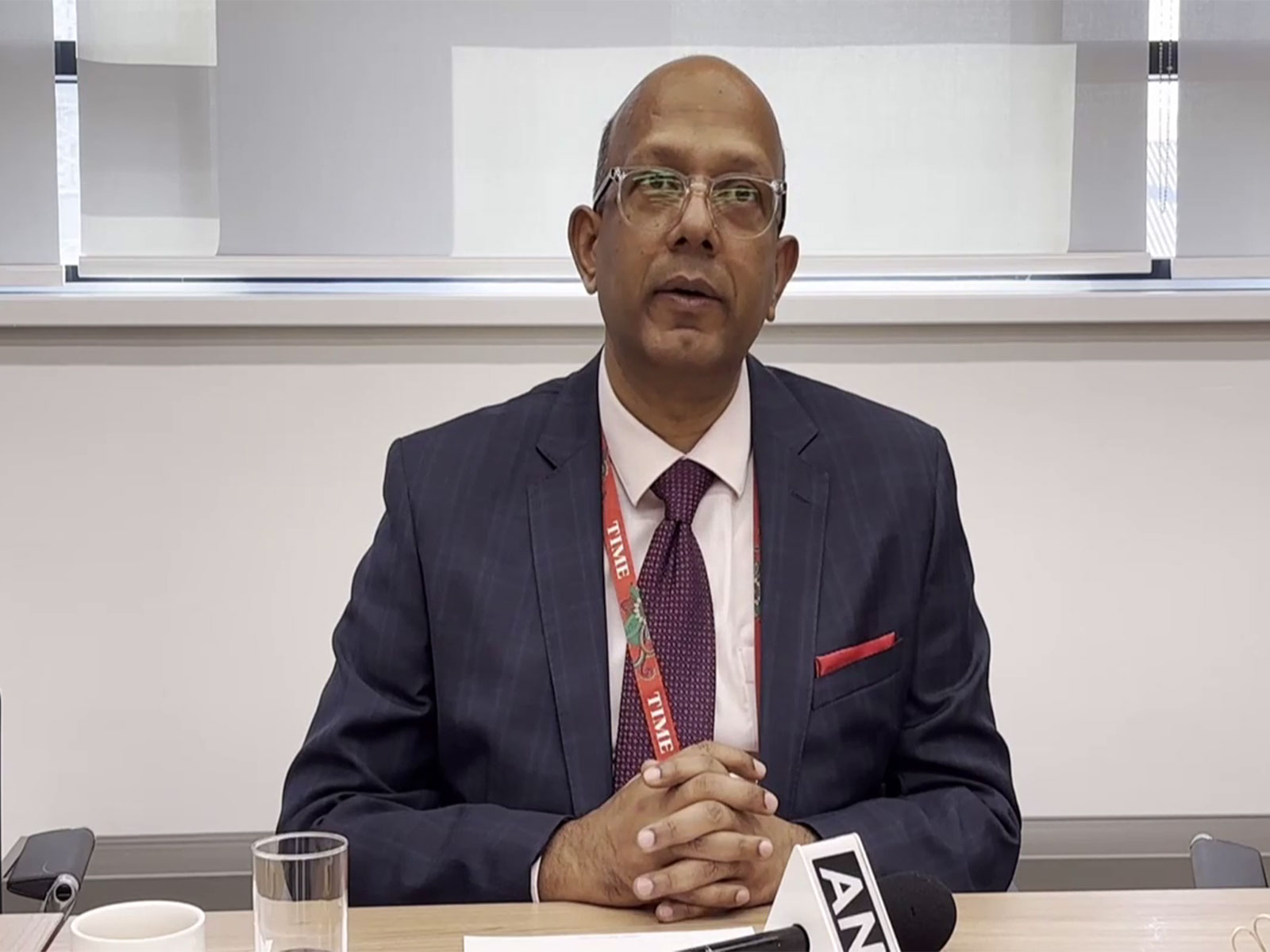
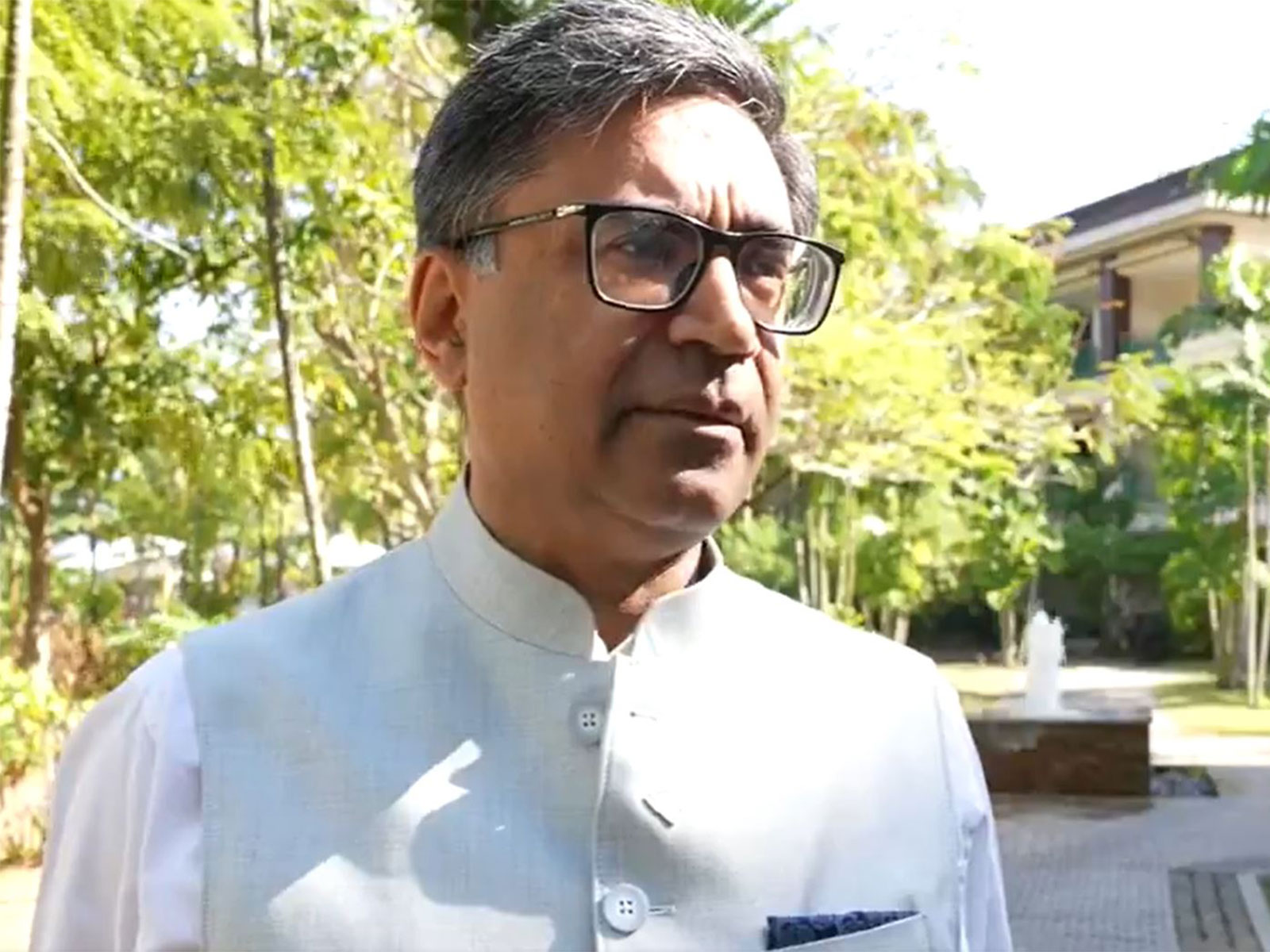
However, speaking to ANI, Foreign Secretary Vikram Misri rejected the narrative presented in these media reports, stating that no such state-sanctioned interaction had taken place.
Foreign Secretary Misri, when asked about the Track-2 India-Pakistan dialogue in Colombo, told ANI, “I have seen the reports. I am aware of them. Dozens of these kinds of events take place in dozens of places around the world on a whole variety of subjects. There’s nothing new, nothing special about these events. As far as we are concerned, these are private events organised by private parties. There is nothing official about them as far as we are concerned.”
Maintaining India’s clear and principled stand against unauthorised engagements, the Foreign Secretary further added, “I cannot speak for the government of Pakistan, but as far as the Government of India is concerned, there is no official participation, no official support or involvement in these visits. Anybody from India who is participating in these events, whether retired diplomats, retired military officials, or members of civil society, when they participate in such events, they speak for themselves and they represent their own point of view. They do not in any way represent the view of the Government of India. We really take no cognisance of these events. They really don’t hold much value, as far as we are concerned.”
Track-2 diplomacy traditionally refers to unofficial dialogue involving retired diplomats, former military officers, academics, think tank experts, journalists, and civil society representatives who participate in their personal capacities to explore conflict management.
However, the Foreign Secretary’s remarks make it clear that New Delhi refuses to give any weight to unauthorised engagements.
Exhibiting this diplomatic and economic isolation, Pakistan remains in a deep strategic freeze with New Delhi after Islamabad unilaterally downgraded bilateral relations following India’s abrogation of Article 370 on August 5, 2019, which removed the special status of Jammu and Kashmir.
Bilateral ties deteriorated further after the Pahalgam terror attack. As a result of Islamabad’s continued reliance on cross-border terrorism, there are currently no direct trade or diplomatic exchanges between the two neighbouring countries.
While the suspension of engagement has restricted India’s overflight rights over Pakistani airspace, Pakistan faces a more severe strategic challenge.
Following the Pahalgam terror attack, New Delhi took the unprecedented step of keeping the decades-old Indus Waters Treaty in abeyance.
Reinforcing India’s position against cross-border aggression, Prime Minister Narendra Modi declared that “blood and water cannot flow together”.
The suspension of the water pact has significant implications for Pakistan, whose agriculture and power generation depend heavily on the Indus waters. (ANI)
Related reading