VMPL
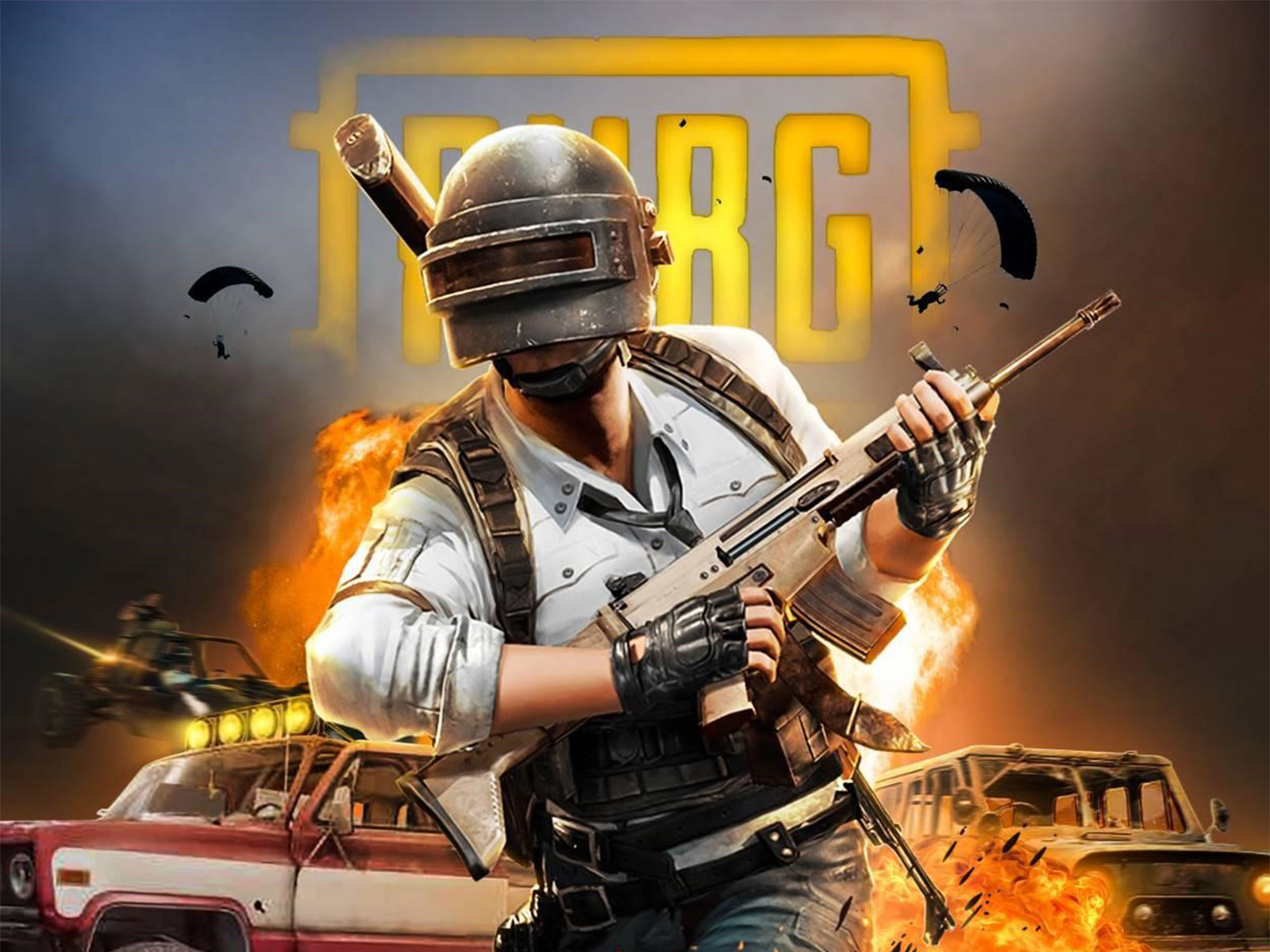
New Delhi [India], June 26: PlayerUnknown’s Battlegrounds has evolved significantly since its early access days, and nowhere is that evolution more visible than in Ranked Mode. The casual chaos of quick matches gives way to something more deliberate here — a structured competitive environment where positioning, decision-making, and resource management matter far more than raw aim. Players who bring the same instincts from unranked lobbies into Ranked consistently hit a wall. Those who adapt to its distinct rhythm find themselves climbing the ladder and collecting Chicken Dinners with surprising regularity.
This guide breaks down the tactics, mindset shifts, and in-game decisions that make the biggest difference in PUBG Ranked Mode.
PUBG G-Coins and Seasonal Cosmetics
PUBG G-Coins are the game’s premium currency, used primarily for the Battlepass, cosmetic bundles, and seasonal content. While cosmetics do not affect performance in Ranked Mode, the Battlepass offers bonus RP boosts and seasonal rewards that make each match more rewarding for active players. Picking up PUBG G-Coins at the right time — particularly during bonus currency events or seasonal launches — stretches the value of any purchase.
For players looking to acquire PUBG G-Coins through a trusted external channel, LootBar gift card options provide a clean and secure method for topping up without using in-game purchase flows directly. LootBar operates as a dedicated game top-up shop with fast transaction processing and strong security standards, making it a reliable choice for PUBG players who want a straightforward recharge experience.
Understanding How Ranked Mode Differs
Before adjusting tactics, it helps to understand what actually changes in Ranked. PUBG’s competitive mode uses a separate rating system — Ranked Points (RP) — that rewards placement heavily alongside kills. Dying early costs more than a missed kill opportunity, which fundamentally changes how smart players approach the early and mid game.
The lobby composition in Ranked also skews toward more experienced players. Squads who have put time into the game, understand the blue zone mechanics deeply, and coordinate positioning under pressure dominate the upper tiers. Bringing an unranked mentality — dropping hot, fighting constantly, treating every engagement as equally valuable — is the fastest path to RP loss.
The zone in Ranked behaves identically to standard matches, but its psychological weight is heavier. Blue zone damage ramps up in later phases, and players caught outside in the final circles pay for it with their lives more reliably than in unranked matches where individual skill gaps are wider.
Drop Location Strategy
The single decision with the largest downstream impact on any Ranked match is where to land. Hot drops — Military Base, Pochinki, School, and their equivalents on other maps — offer fast loot and immediate combat but produce early eliminations at a rate that destroys RP over a long session. The Chicken Dinner is a placement reward. Getting eliminated in the top 20% of the lobby matters more to RP gain than fighting three squads in the first two minutes.
Consistent Ranked players favor mid-tier loot locations at the edge of the first zone. These spots provide enough gear to compete in mid-game engagements without the population density that makes hot drops dangerous. The key criteria for a good Ranked drop spot: sufficient buildings for full squad looting, proximity to at least one viable rotation path into the safe zone, and low enough traffic that early elimination risk is minimal.
Reading the flight path before dropping is essential. Locations that sit directly under the plane’s route see far more players than those requiring a parachute glide. Even a recognizable mid-tier town becomes a hot drop when the flight path runs directly over it. Adjusting the landing choice based on flight path — rather than defaulting to a memorized spot — is a habit that separates methodical Ranked players from formulaic ones.
Early Game Discipline
The first five minutes of a Ranked match set the conditions for everything that follows. Looting efficiently, avoiding unnecessary early engagements, and establishing vehicle access are the three priorities that should govern early game decisions.
Efficient looting means knowing what to prioritize and what to leave. A Level 2 helmet and vest, a primary weapon with adequate ammunition, a first aid kit, and a smoke grenade represent a functional loadout that allows safe rotation. Spending extra time hunting for a specific weapon attachment while the zone begins closing is a poor trade most of the time.
Vehicle access is undervalued in lower tiers and non-negotiable in upper ones. Rotation without a vehicle in the mid and late game puts squads in a position where they must fight through established positions or sprint across open ground — both costly options. Securing a vehicle in the early game, even if it sits unused for several minutes, preserves flexibility for the rest of the match.
Engaging early without clear advantage is the most common mistake in Ranked. Hearing a distant firefight and moving toward it, or exchanging shots with a squad across a field at range, creates casualties and expends healing resources without commensurate benefit. Early engagements are worth taking when the advantage is overwhelming — a downed enemy, high ground, or a squad caught in the open. Otherwise, the correct decision is almost always to disengage and rotate.
Zone Rotation and Positioning
In PUBG Ranked Mode, being inside the zone early is not just about avoiding blue zone damage — it is about controlling the narrative of the mid game. Squads already positioned inside the safe zone can hold ground, set up ambushes for late rotators, and choose their engagements. Squads still rotating are reactive, exposed, and burning through healing items.
The habit of rotating early — moving toward the next safe zone before it fully closes — costs some flexibility but pays off in positioning consistency. Players who rotate early rarely face the situation of sprinting across open ground under fire with a bad healing item deficit. Players who rotate late make that gamble every match and pay for it in RP over a long session.
High ground is the most consistently valuable positional resource in PUBG. Ridgelines, rooftops, and elevated terrain provide sightlines, reduce incoming fire angles, and force approaching enemies into disadvantaged attack vectors. When early zone rotation offers a choice between flat ground inside the circle and elevated ground slightly toward the edge, the elevation is almost always the correct choice if it can be reached safely.
Compound positions — buildings with multiple exits and sightlines — are the alternative to elevation in urban zones. The worst positions in any circle are flat, open ground with no cover and single-file entry points that leave the squad flanked by anyone with map awareness.
Mid Game: Picking the Right Fights
Mid game in Ranked is where RP is most commonly lost and most reliably gained. The temptation to engage every squad within range peaks here, when the lobby has thinned enough to make combat feel manageable but enough players remain that every fight carries real risk.
The framework for deciding whether to engage mid game is straightforward: does this fight offer position, loot, or information that meaningfully improves the endgame situation? If a squad is sitting on a hill that controls the final circle, fighting them before the top ten is worth the cost. If a squad is looting a building irrelevant to the final position, ignoring them costs nothing.
Third-party awareness is the other critical mid-game skill. Two squads engaging each other create an opportunity for a third squad to take advantaged position and eliminate the winner from range. Being the third party — watching a fight, waiting for it to resolve, and then engaging a damaged and repositioning winner — is one of the highest-value plays in the game. Being the squad that gets third-partied because the engagement was poorly timed is one of the most avoidable ways to exit a match.
Endgame Execution
The final circle in PUBG Ranked is where matches are decided, and the difference between squads who win it consistently and those who do not usually comes down to position secured earlier in the match rather than outgunning the competition in the final moments.
Going into the final circle with established high ground or a solid compound position, full healing items, and a clear understanding of where the remaining squads are positioned is the condition to aim for. Grenades become enormously valuable in the endgame — smoke grenades for safe repositioning, frag grenades for flushing entrenched squads, and stun grenades for breaking defensive holds. Squads that do not carry grenades into the endgame give up a meaningful tactical tool.
(ADVERTORIAL DISCLAIMER: The above press release has been provided by VMPL. ANI will not be responsible in any way for the content of the same.)
Related reading